Méthodes pour l’étude de structures, dynamiques et interactions d’acides nucléiques non canoniques
2025-12-19
Professional Journey
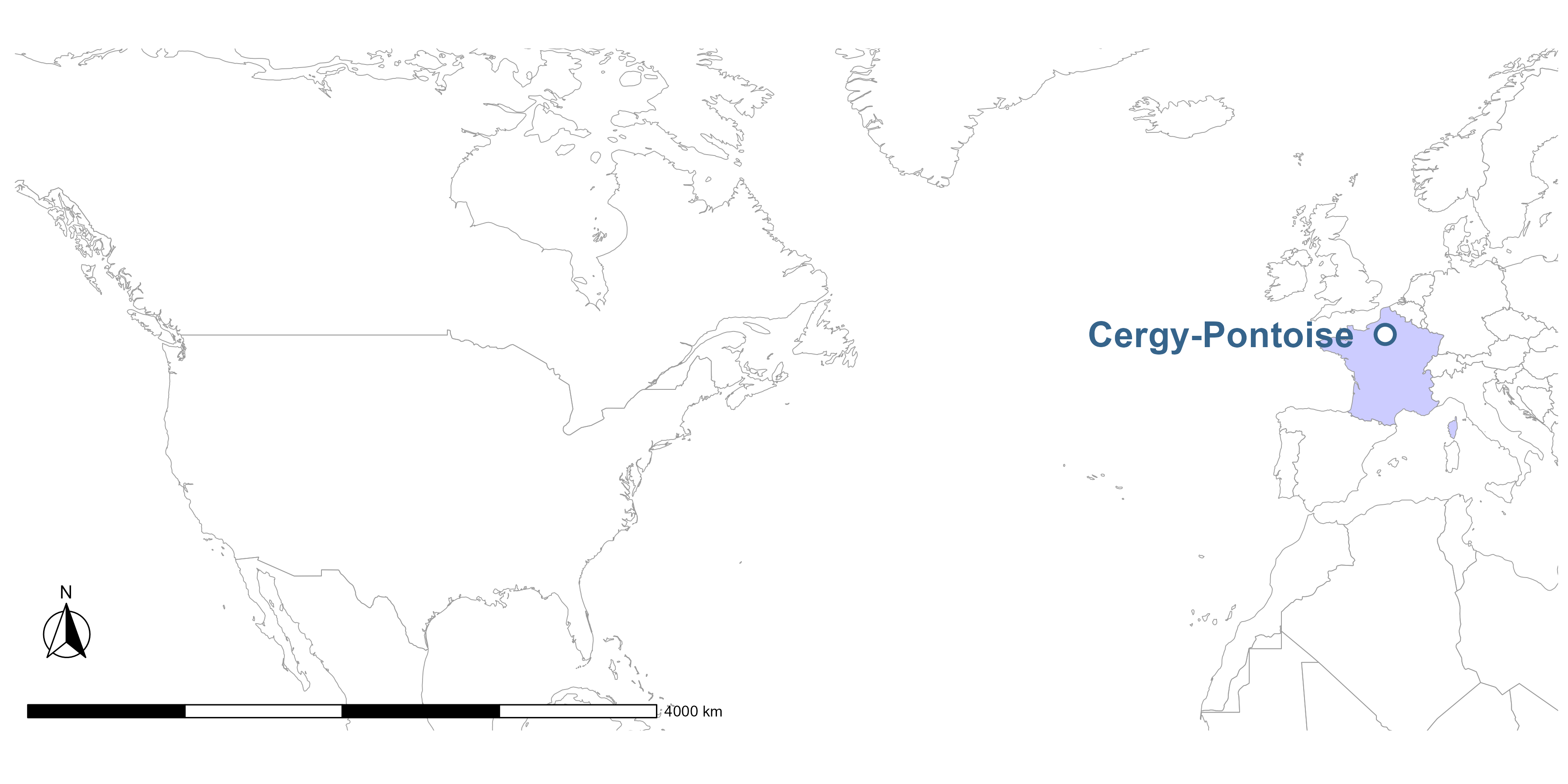
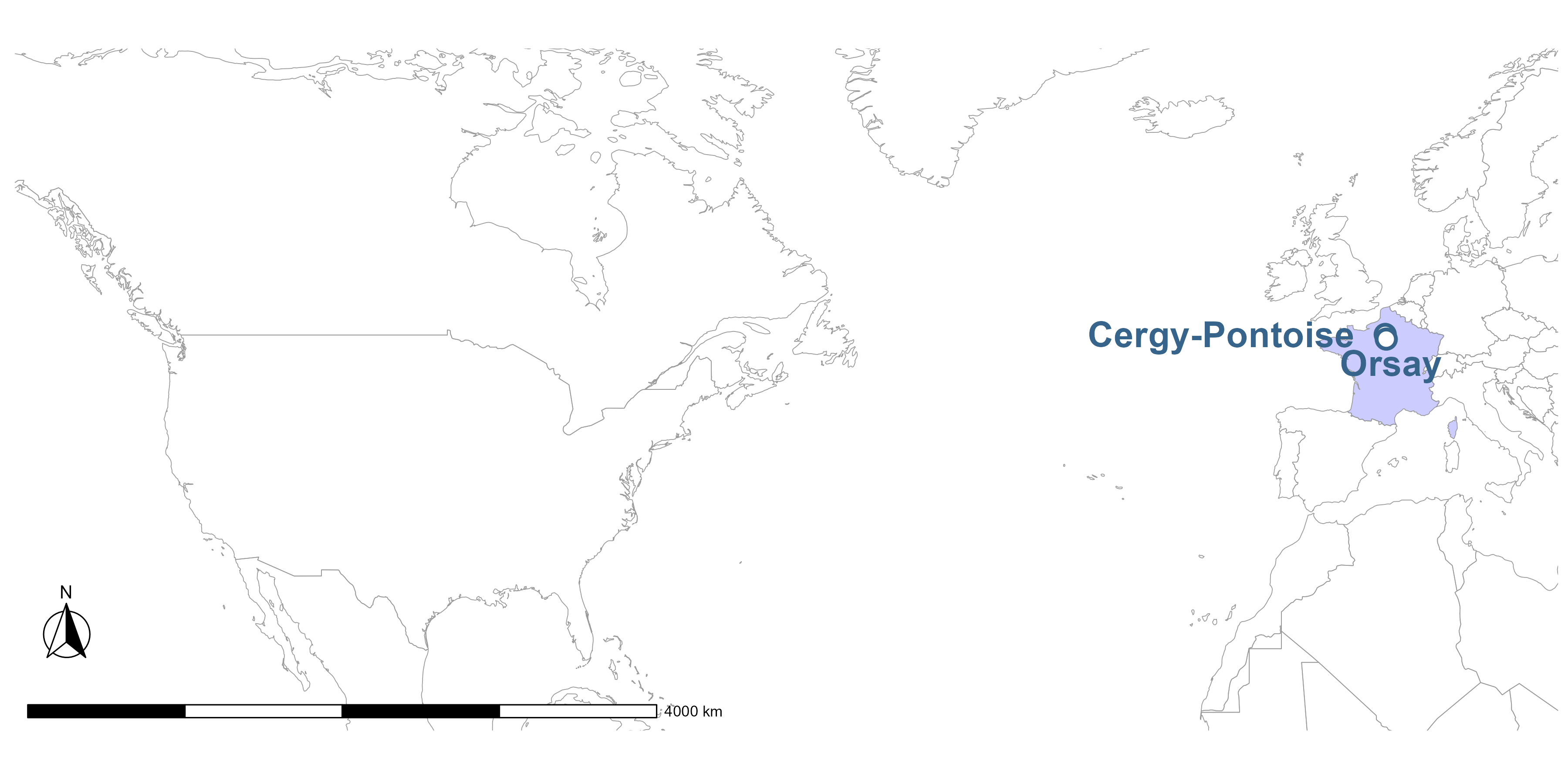
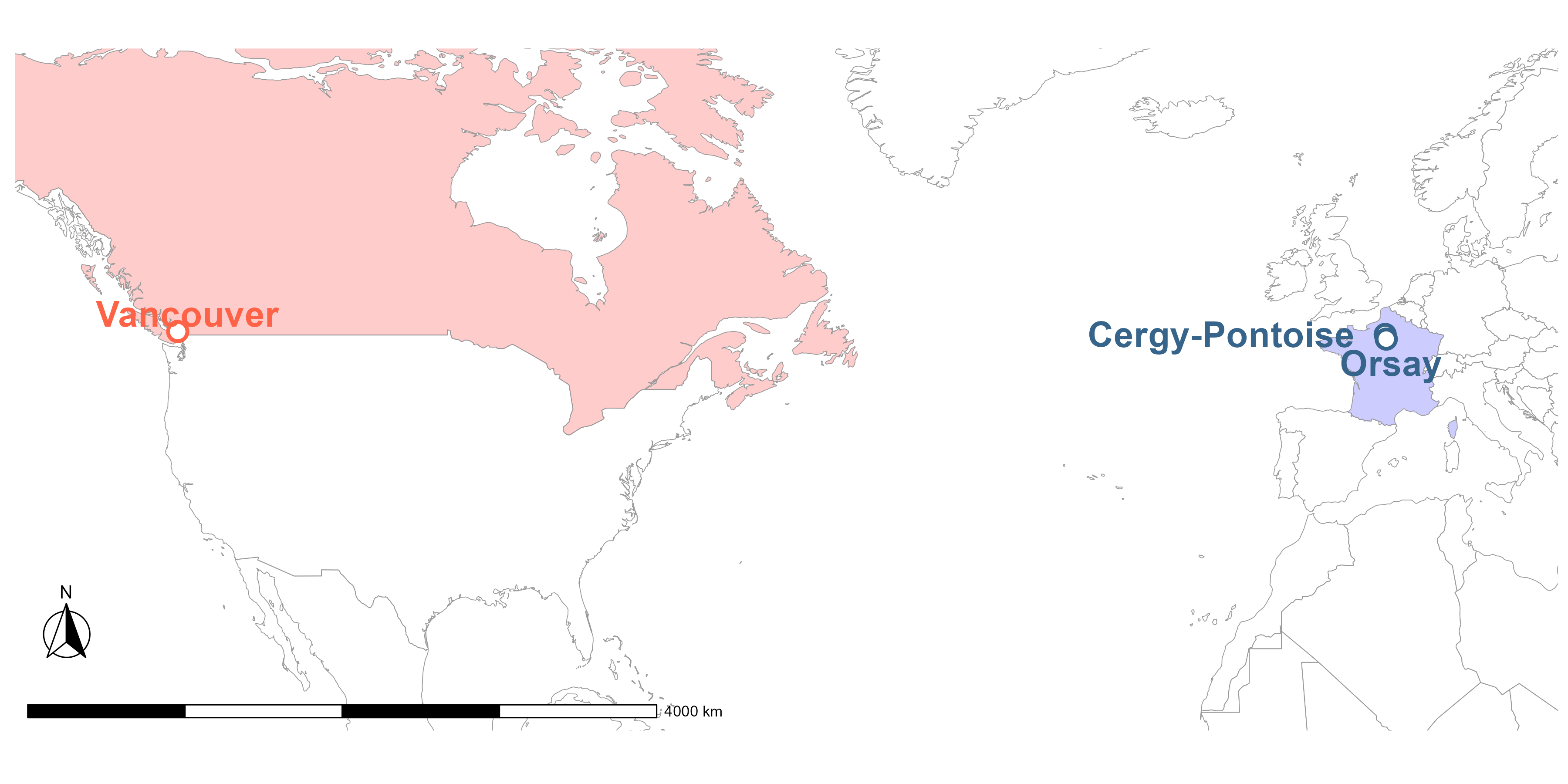
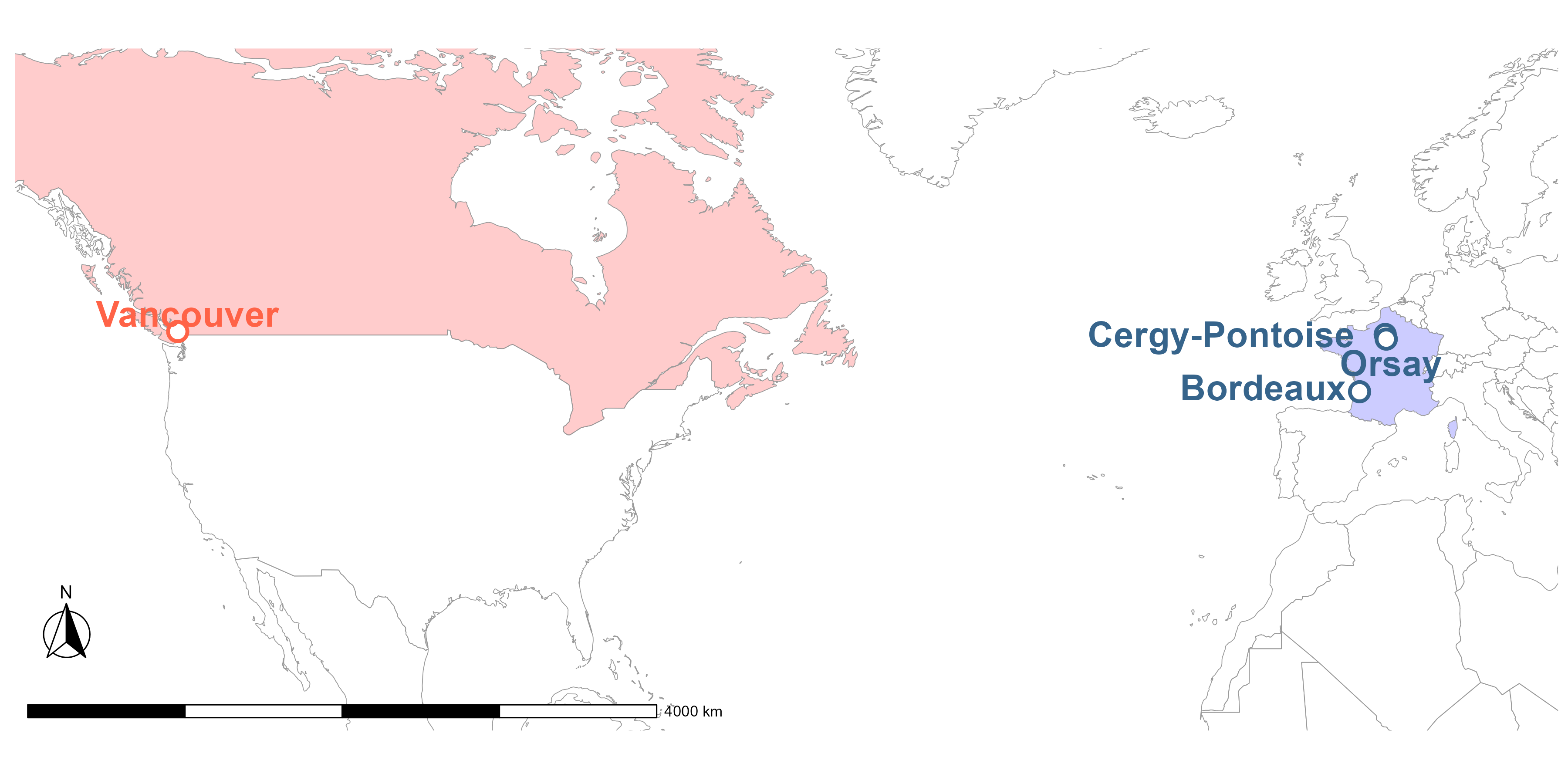
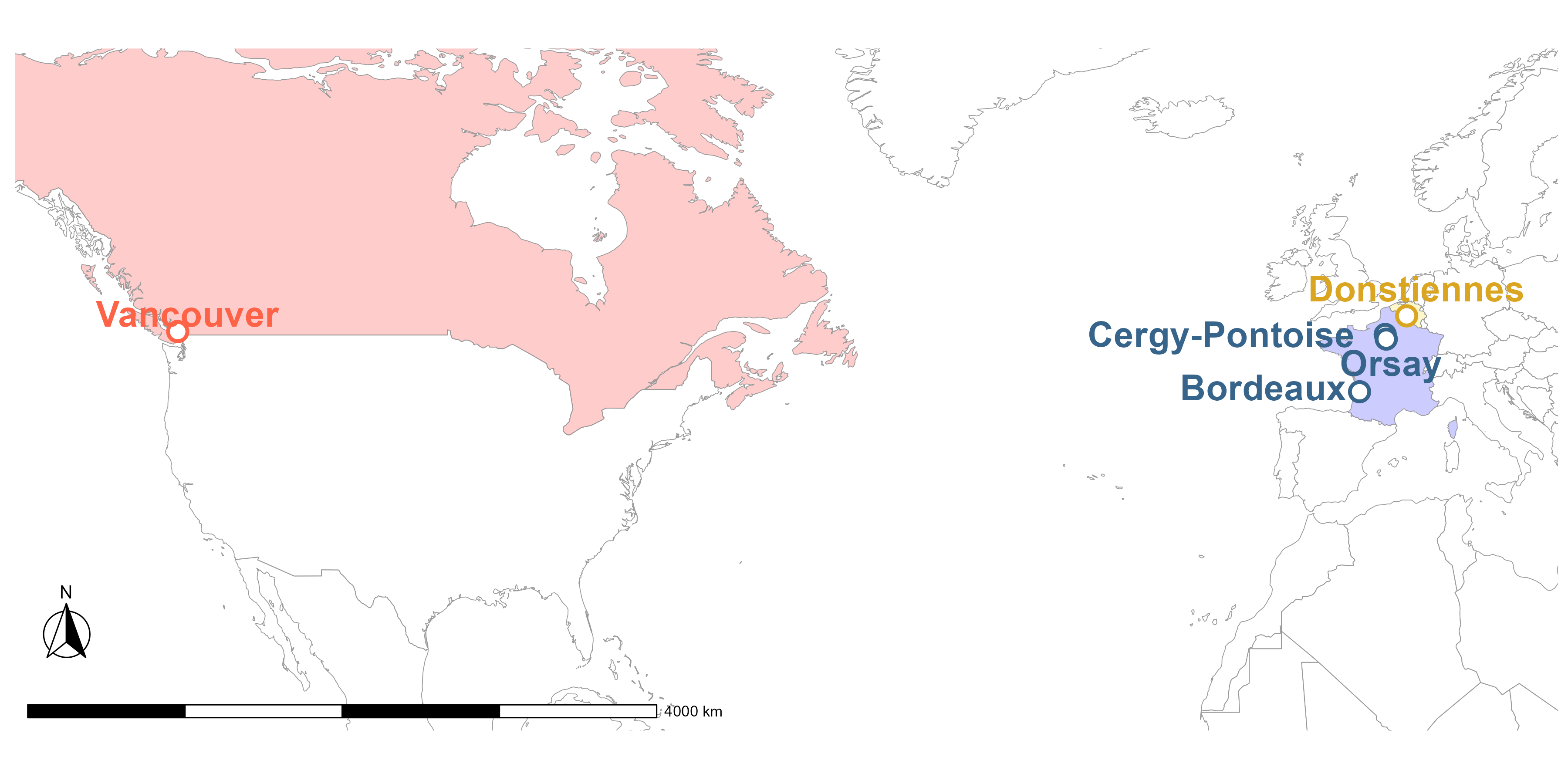
- M2 Intern - LSOSCO - 2008
- UMR 8123 CNRS-UCP-ESCOM
- PhD Student - U. Paris XI - 2008-2012
- UMR176 CNRS, Institut Curie
- Postdoc - UBC - 2012-2013
- Chemistry Dpt
- Postdoc - IECB - 2013-2015
- U869 CNRS/U. Bordeaux
- Research Scientist - Quality Assistance - 2015-2017
- R&D Dpt
- MCU - University of Bordeaux - 2017-present
- ARNA - INSERM U1212, CNRS UMR 5320, U. Bordeaux
Teaching & support duties
Topics
- Analytical Chemistry
- Regulatory aspects
- Biomolecules
- Scientific communication
- Data processing and visualization
Students
- Health Sciences
- Pharmacy (L2/L3)
- DEUST (Production, contrôle et qualité des produits de santé, L1/L2)
- TECSAN (Technologies pour la santé,L3)
- Master IPPS (Industries Pharmaceutiques et Produits de Santé, M1)
- Master DACQ (Développement Analytique et Contrôle Qualité, M2)
- CHU Bodeaux
- Préparateurs en pharmacie hospitalière
- Collège des écoles doctorales
- PhD students (all fields)
- Reference person @ ARNA for
- Research data; member of the Bordeaux Data Workshop
- Open Science
- Manuscript: hdr.largy.fr
- Slides: slides.hdr.largy.fr (source code)
PhD at the Institut Curie/CNRS/University Paris XI
A quick introduction on G-quadruplexes

A quick introduction on G-quadruplexes
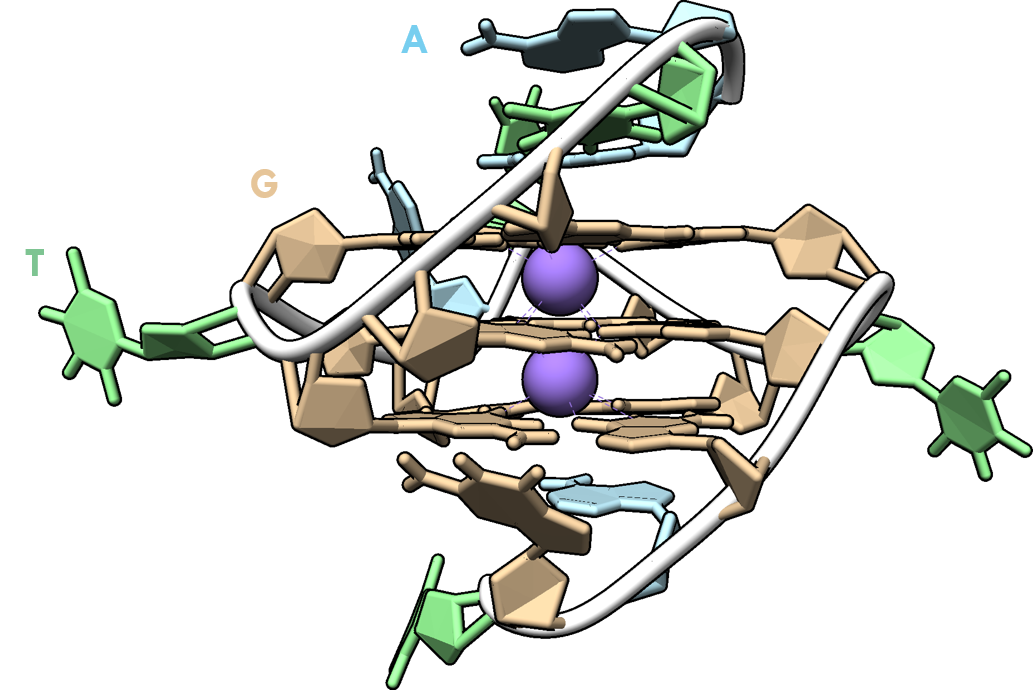
Moving targets
- Drug targets…
- Involved in biological processes at DNA/RNA levels
- Structurally different from duplexes
- …and drugs?
- Some aptamers are or contain a G4
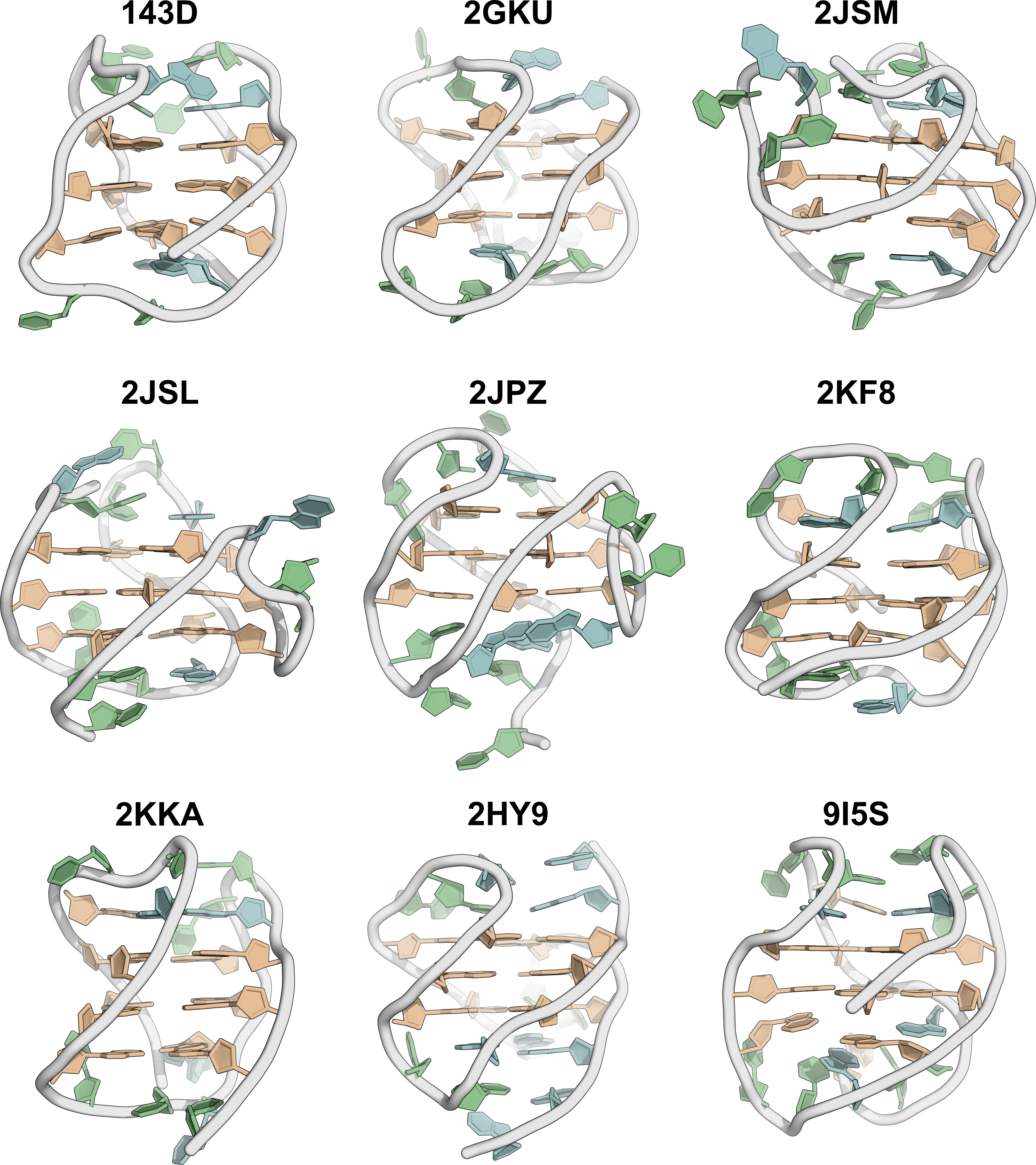
- Very polymorphic
- Can fold into different conformers in equilibrium
- May not be fully folded
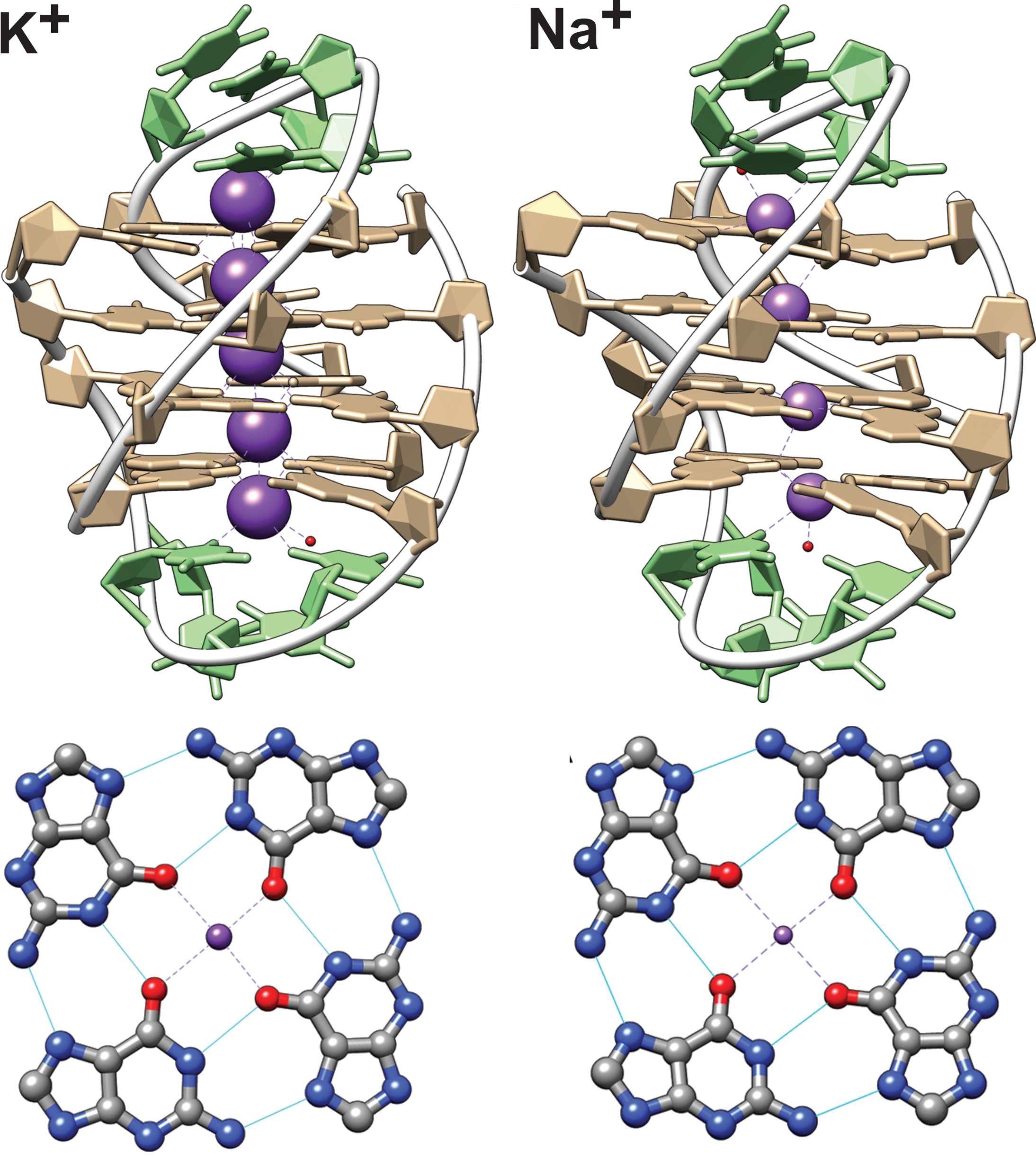
- Very dependent on cation concentration/nature
- Goal: selective binding to modulate biological functions
- Generally, \(\pi\)-stacking ligands on external tetrads

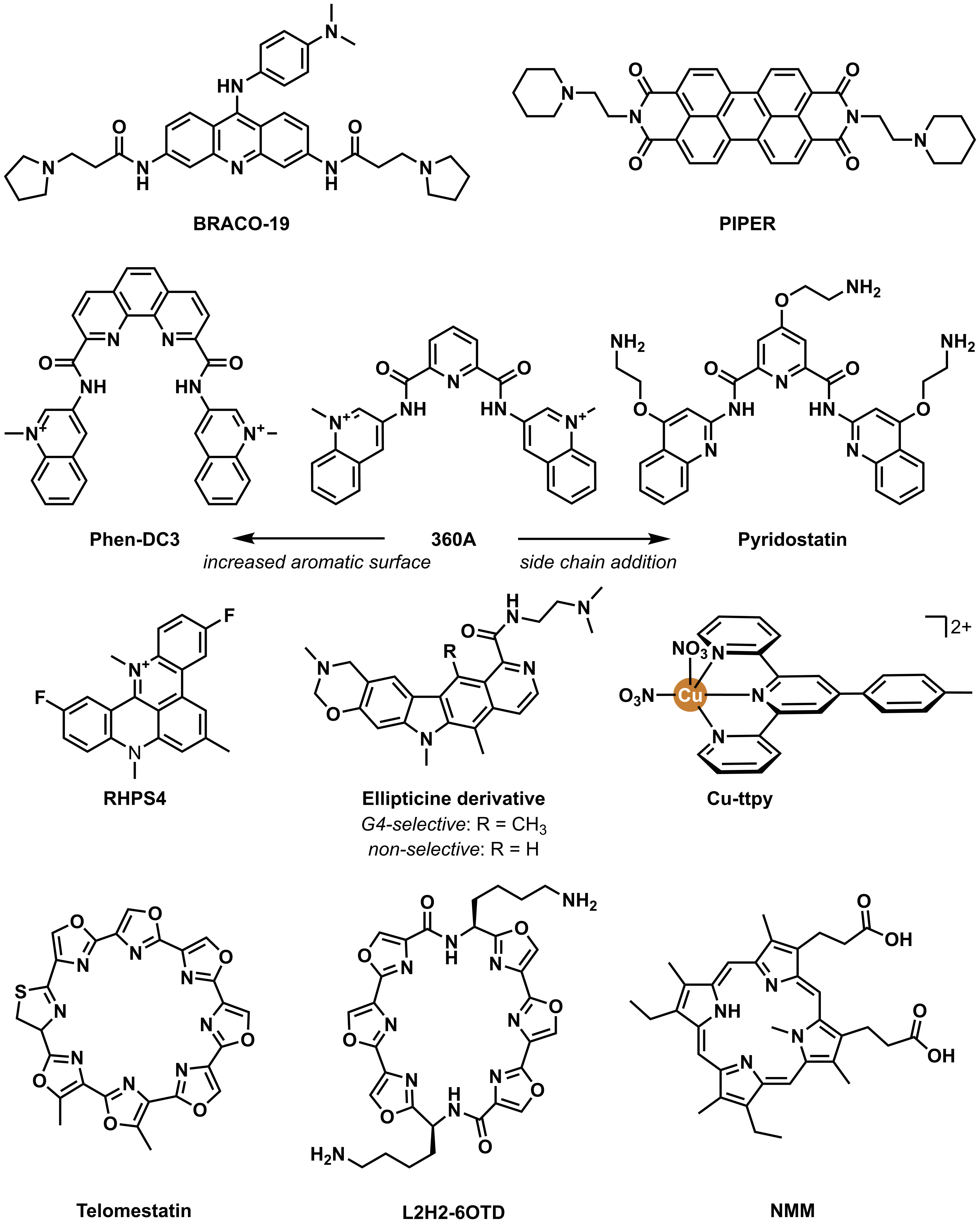
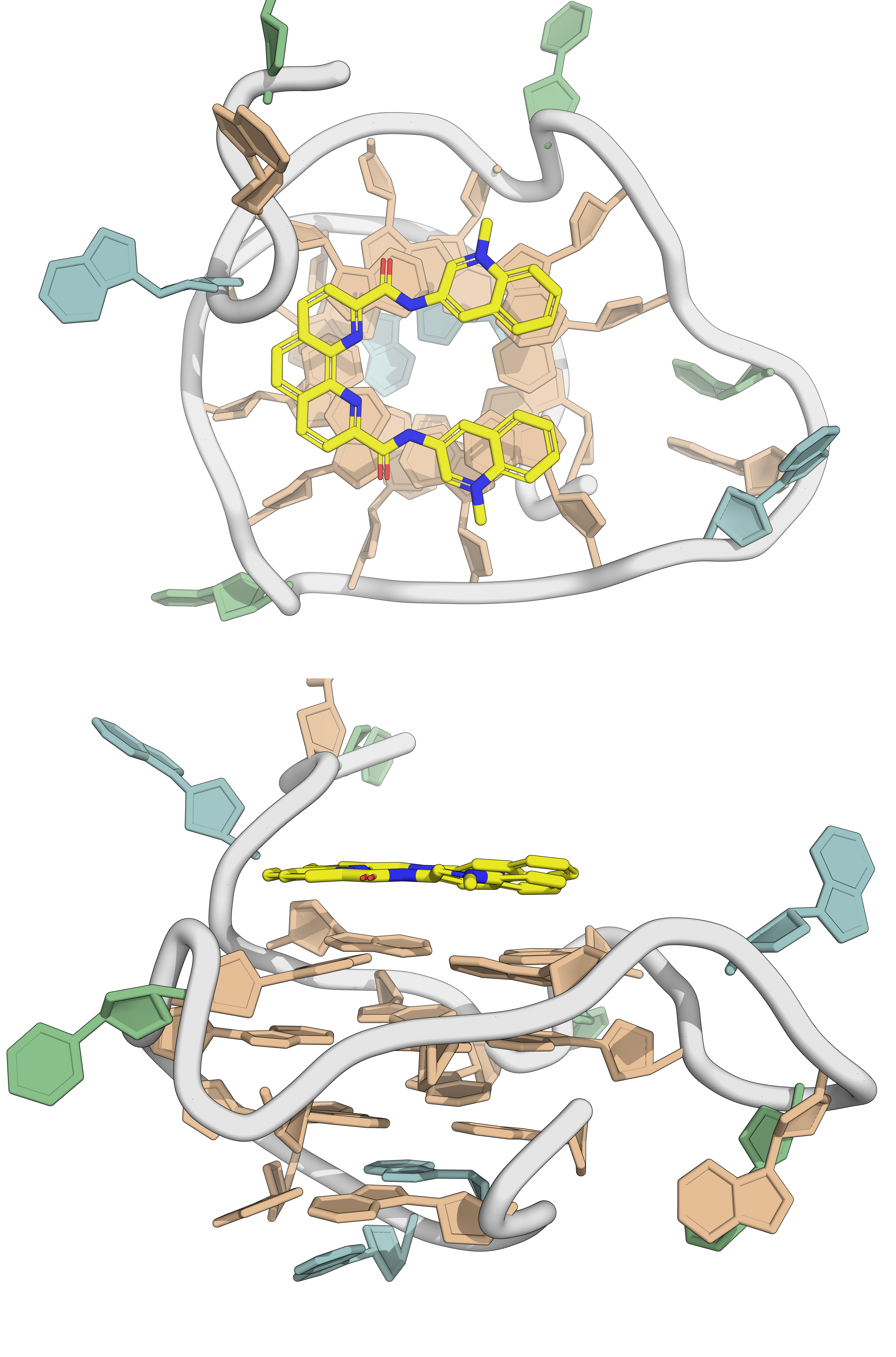
Goals of the PhD project

- Initially
- Synthesize metal complexes as G4 ligands
- Understand the influence of metal ions and aromatic ligand on binding selectivity.
- Synthesize ligands with an added value
- Topological selectivity
- Original binding mode
- Functionalization: fluorescence, biotinylation, halogenation,…
- Develop analytical tools to
- Characterize G4/ligand interactions
- Discover new G4 ligands
Fluorescent Interacalator Displacement Assay (FID)
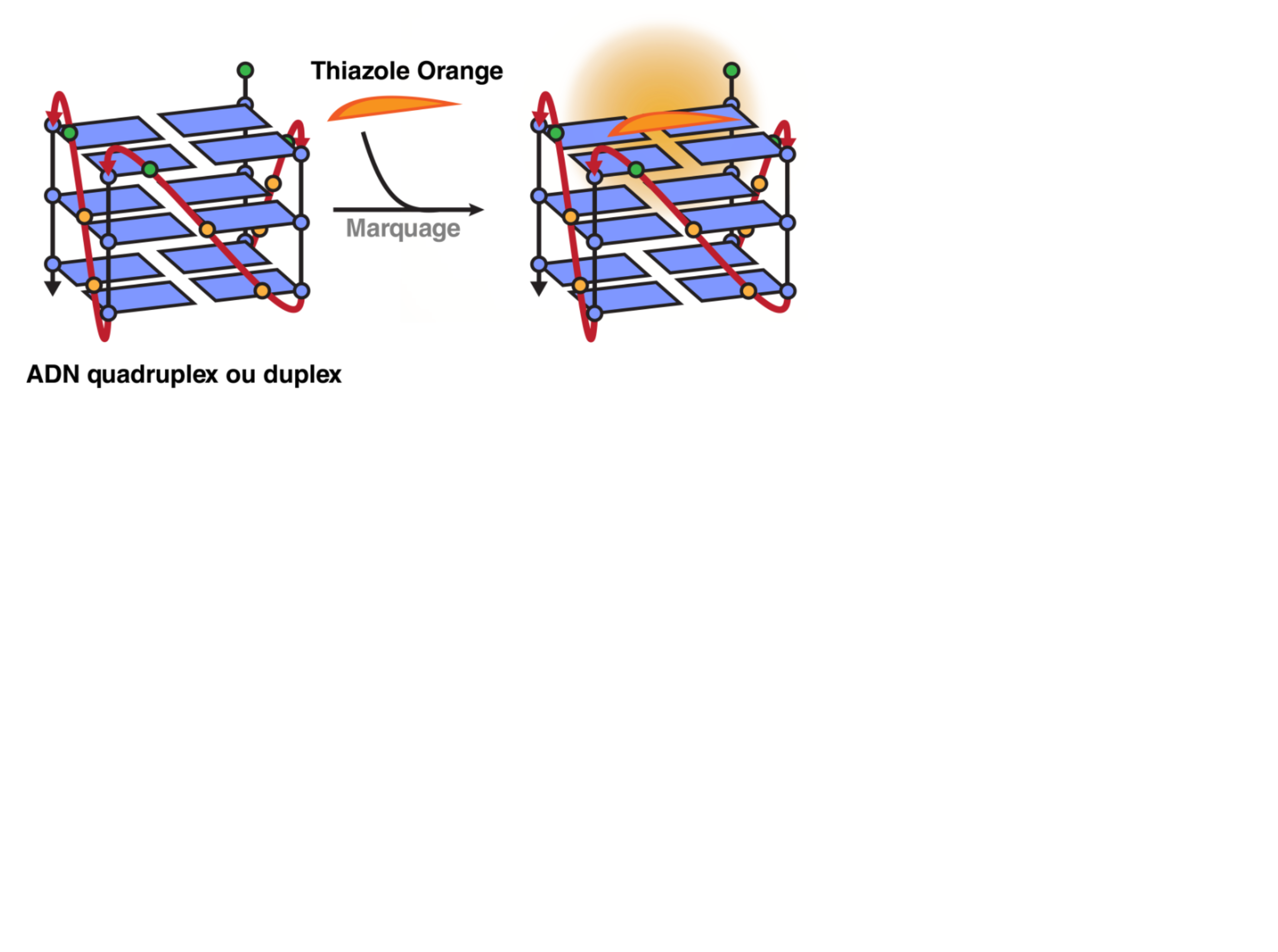
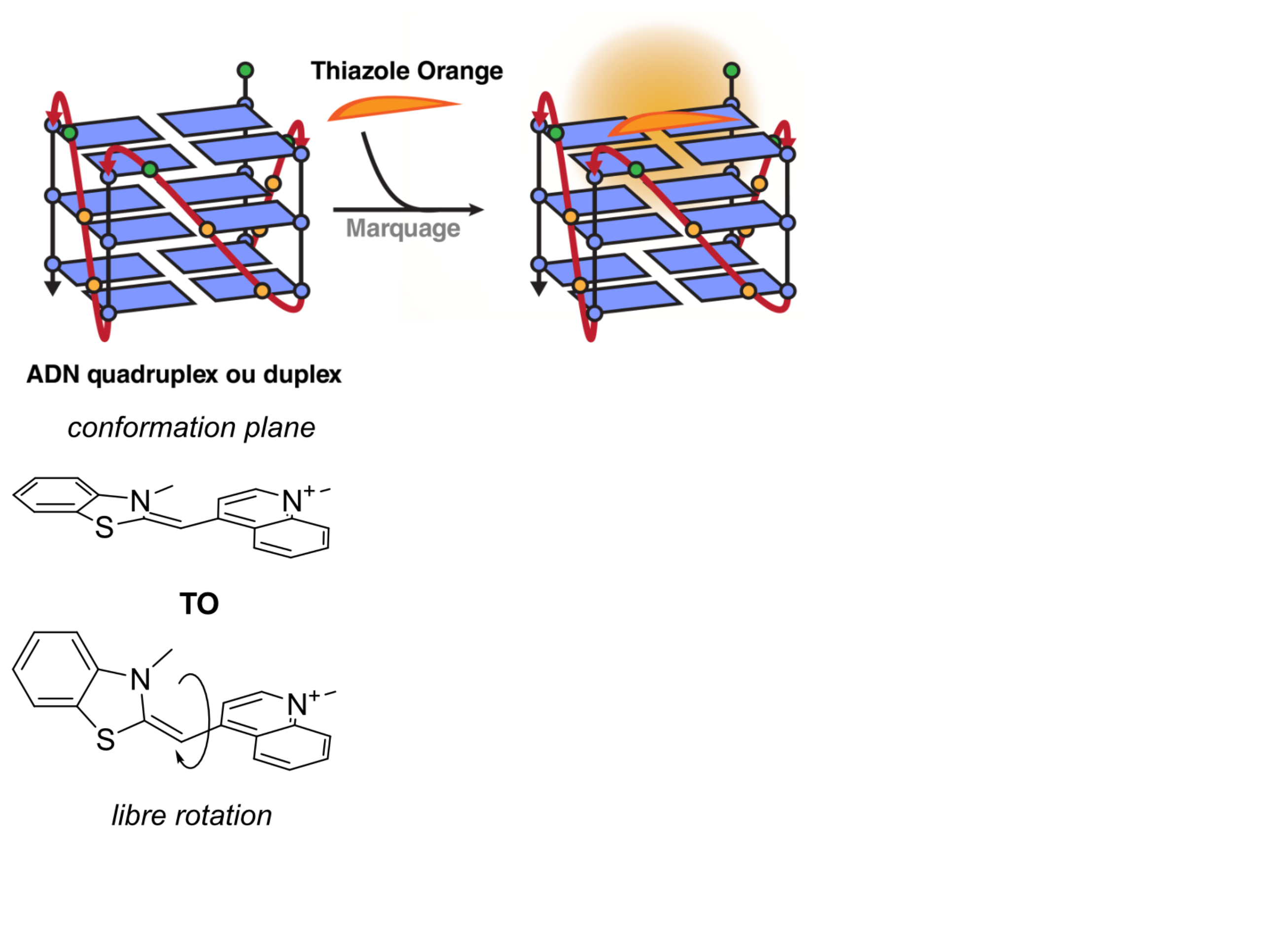
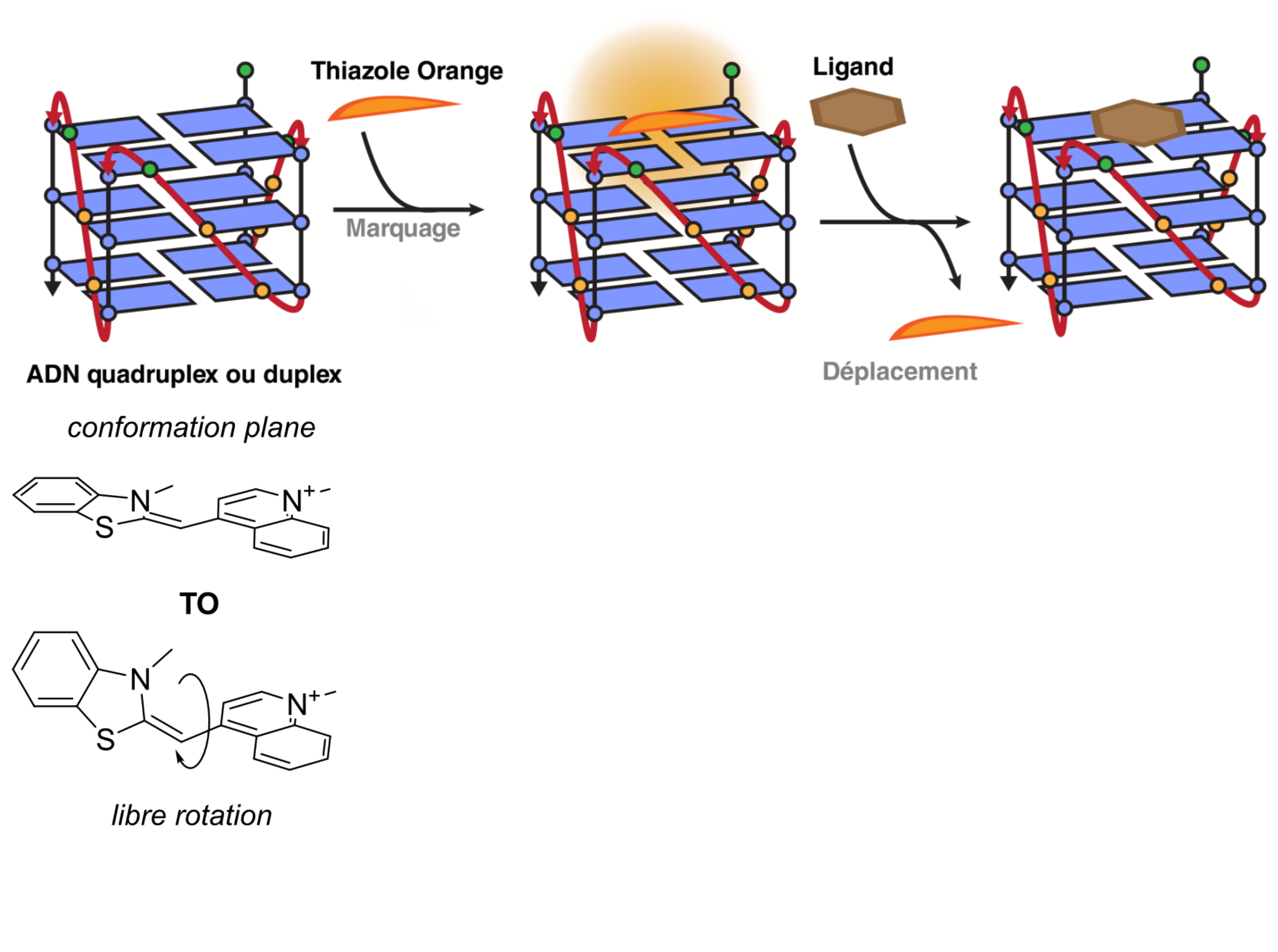
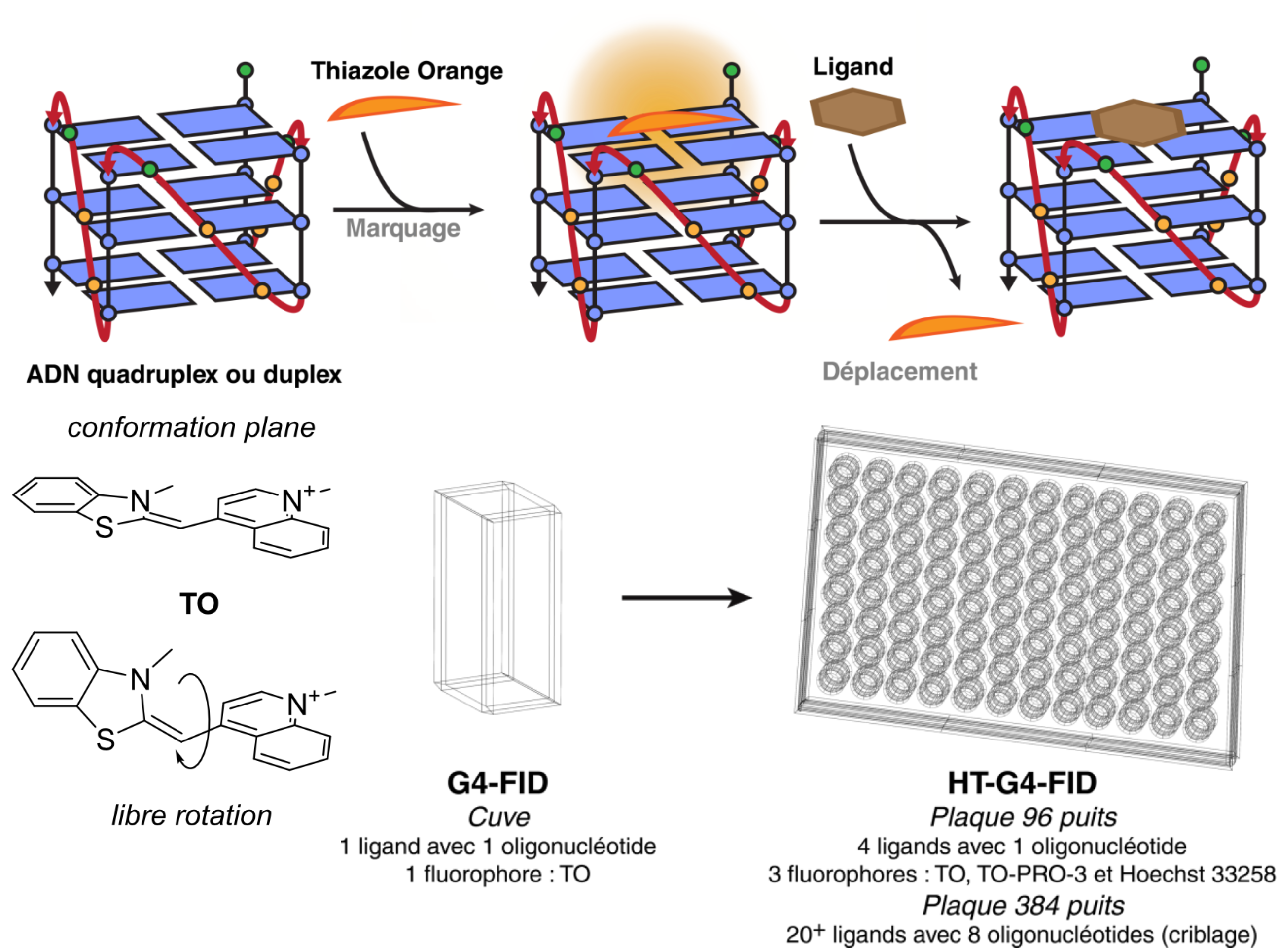
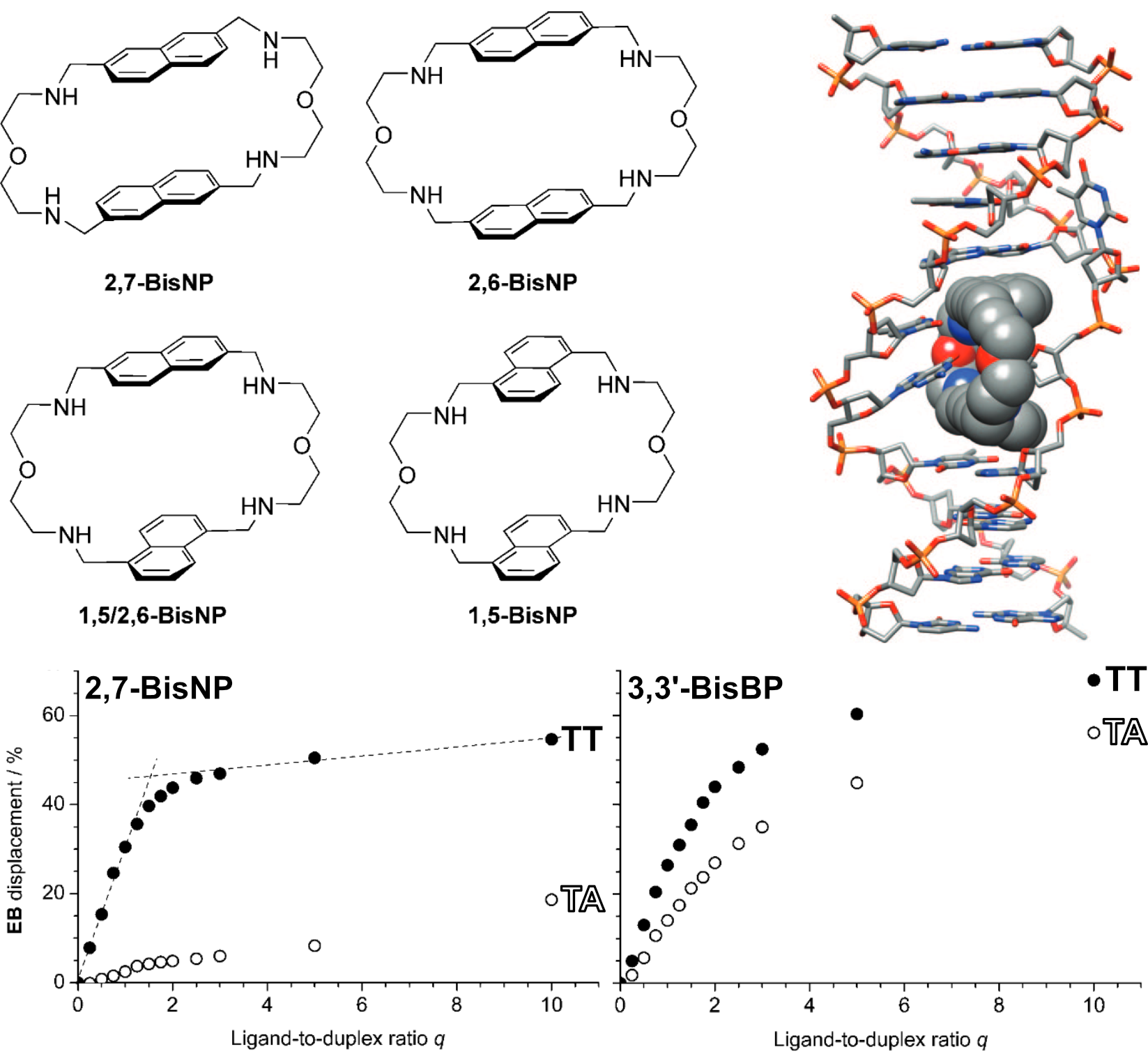
FID examples: DNA mismatch recognition

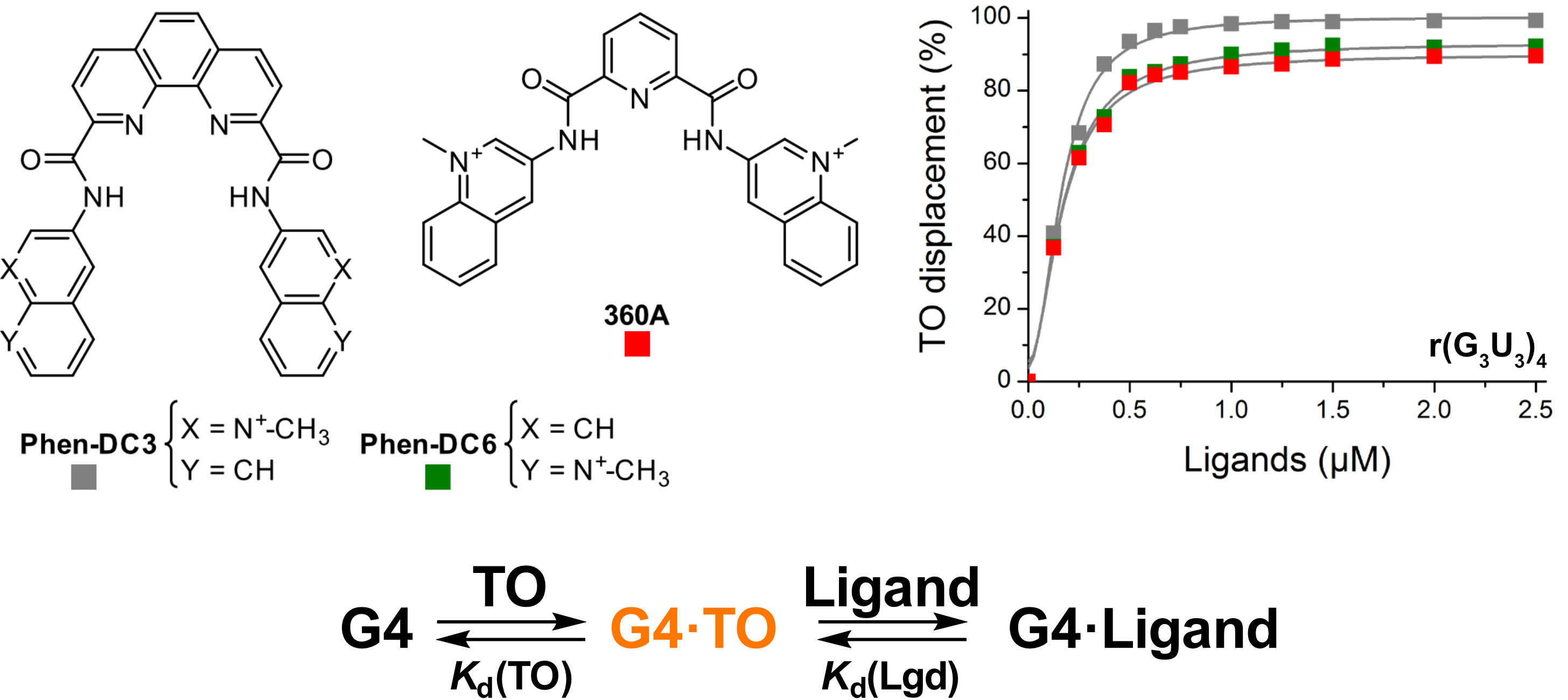
FID examples: RNA binding affinity
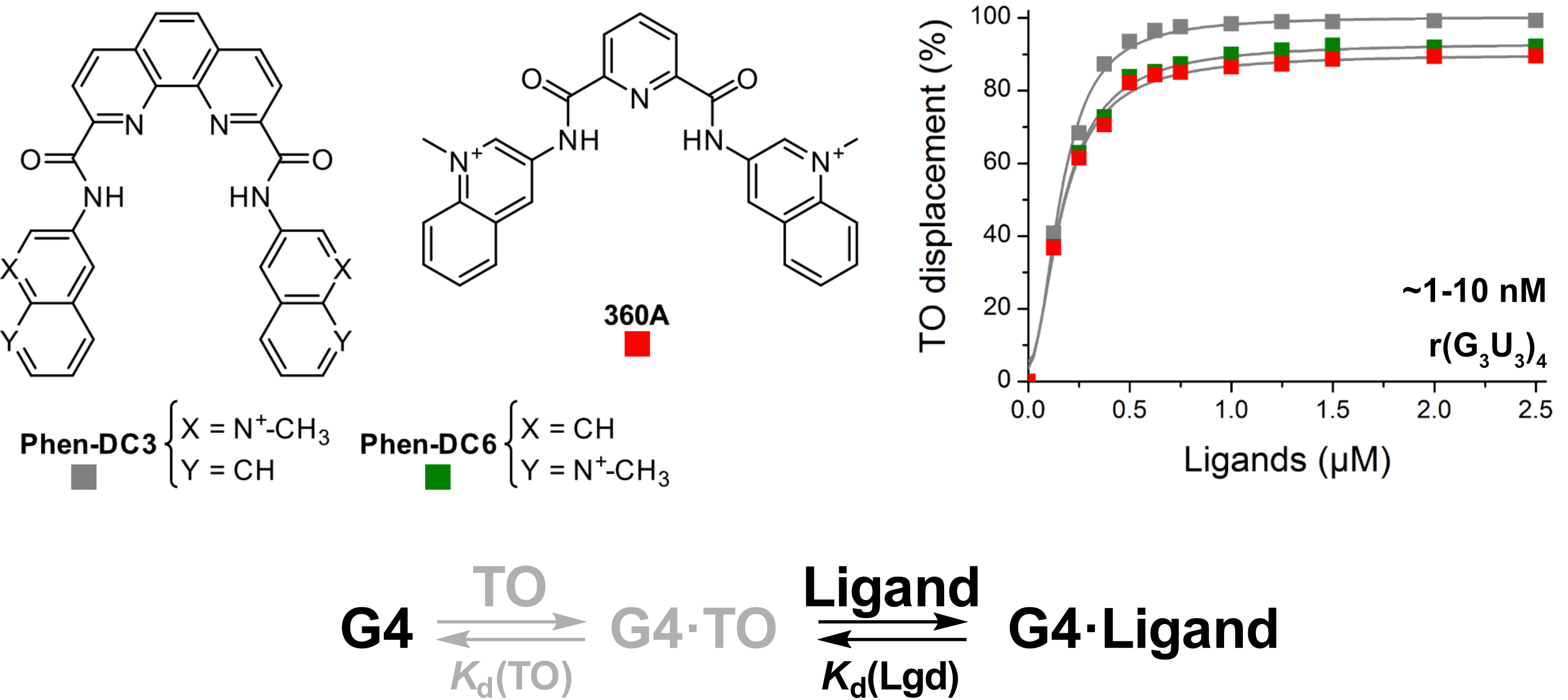
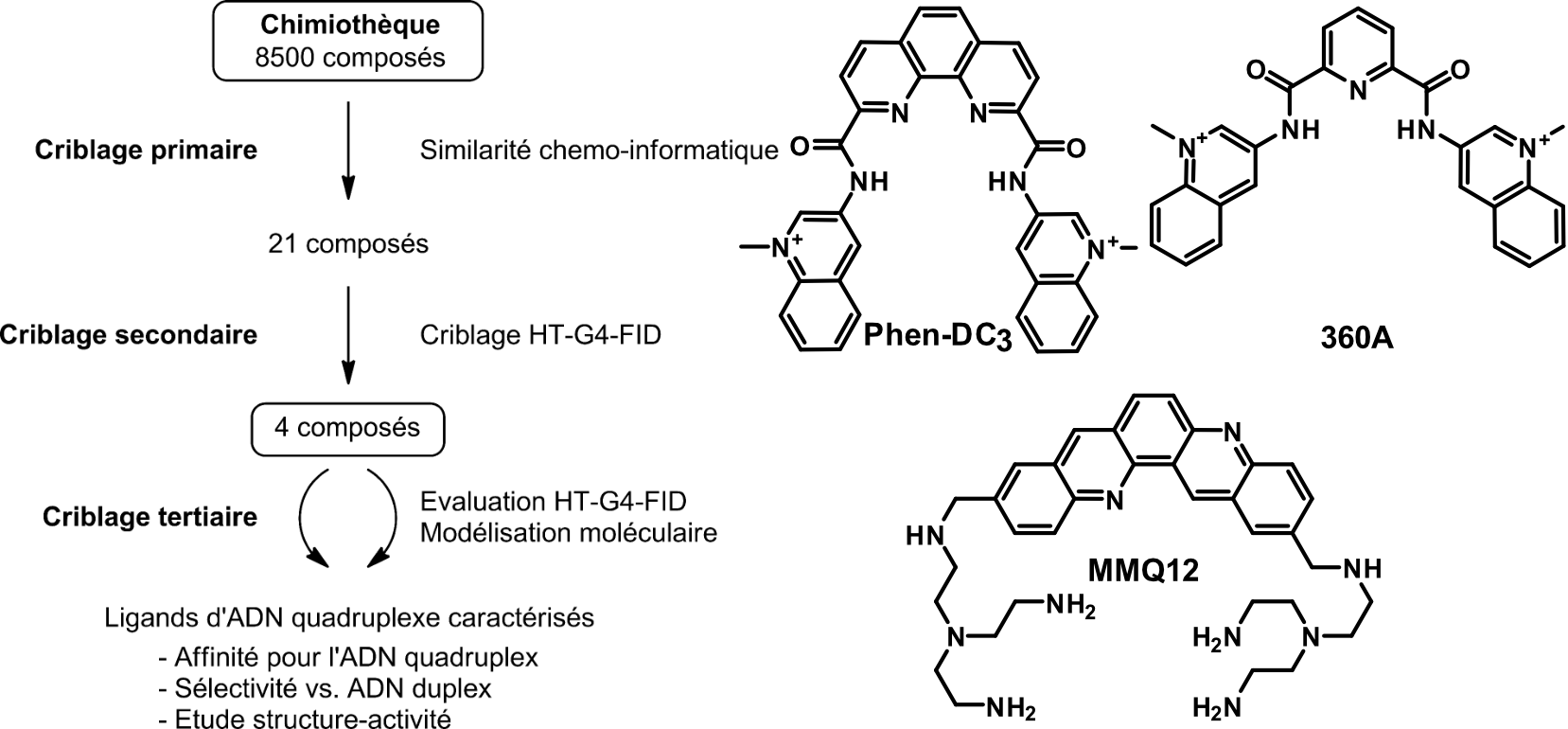
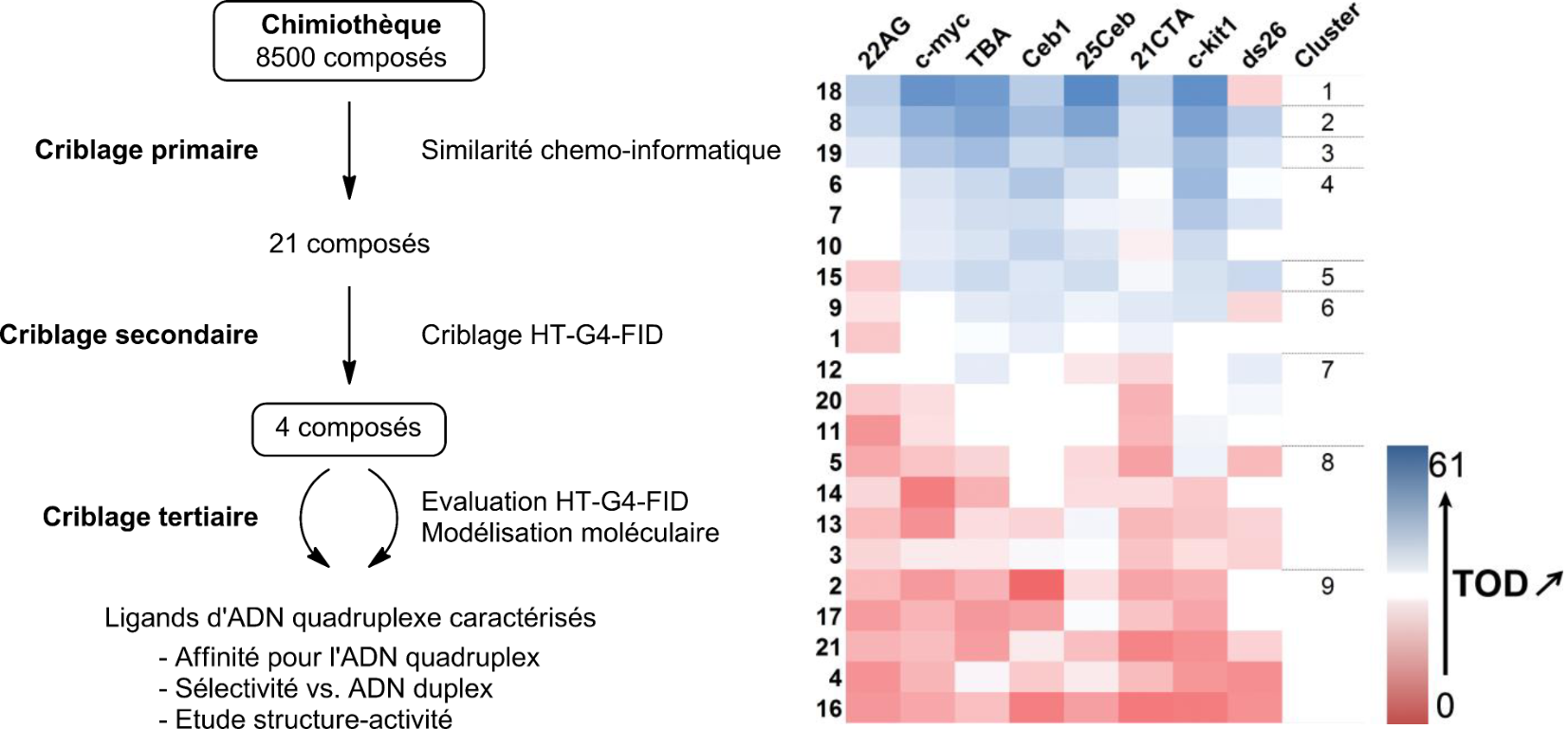
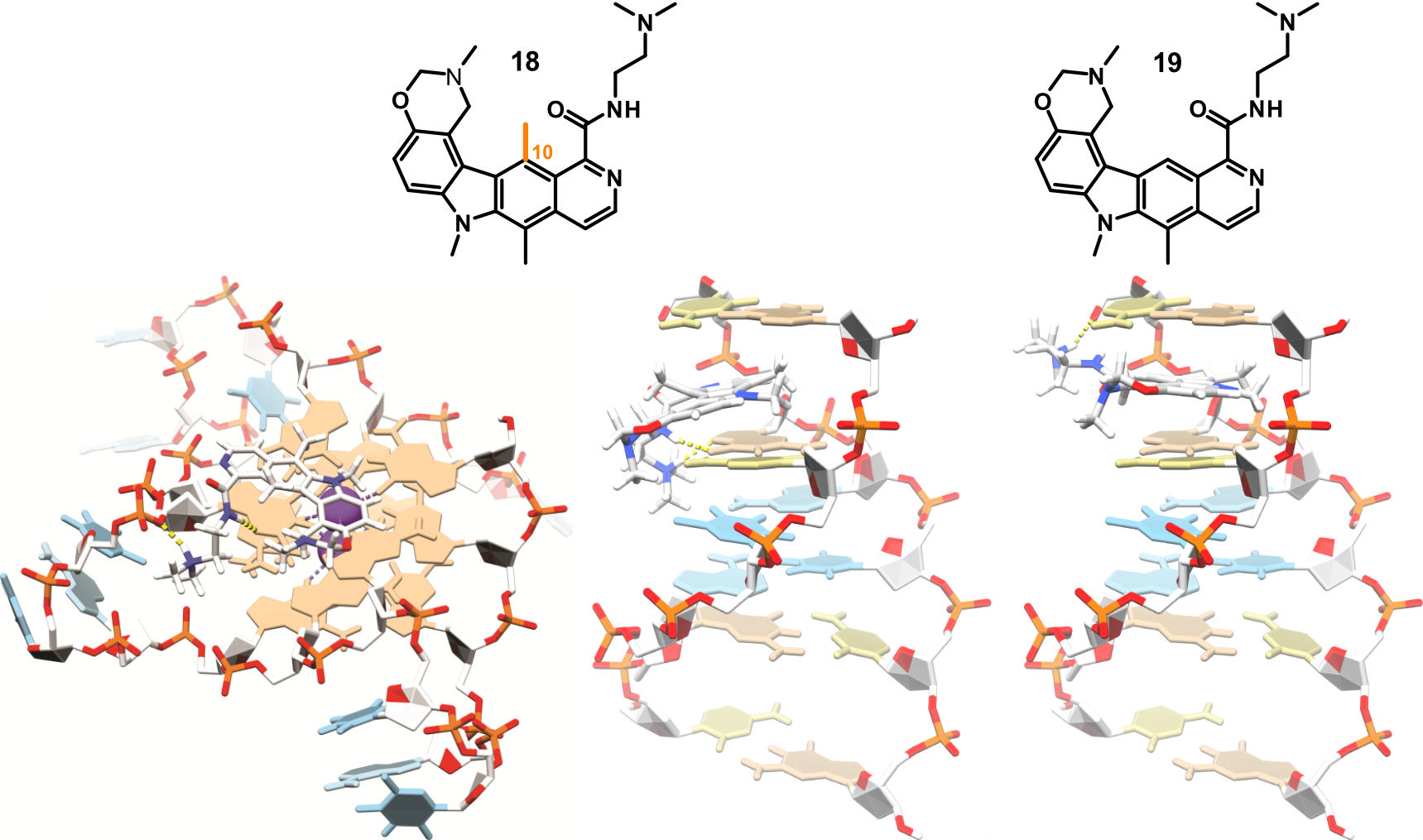
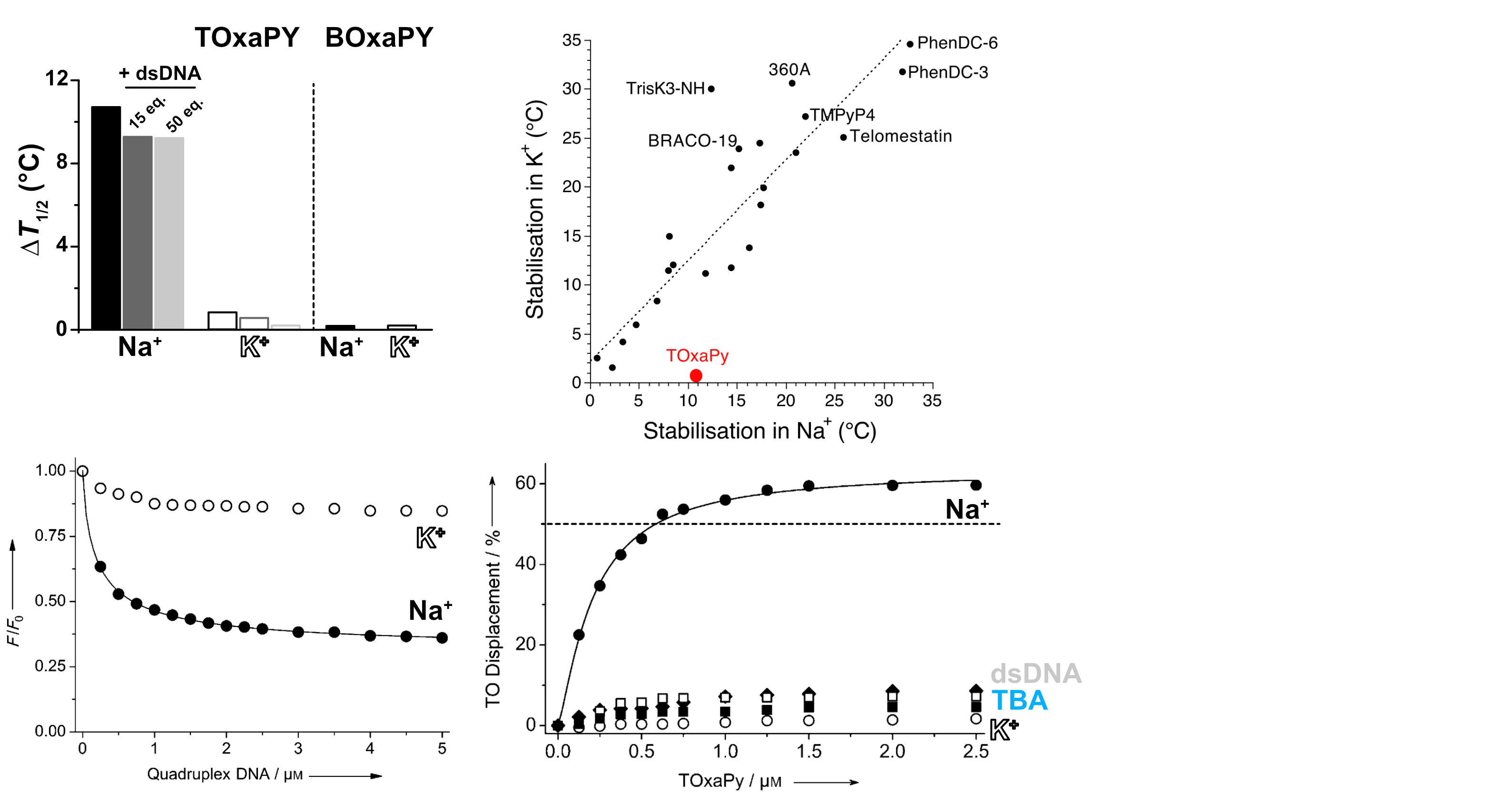
Screening of G4 ligands from a chemical library
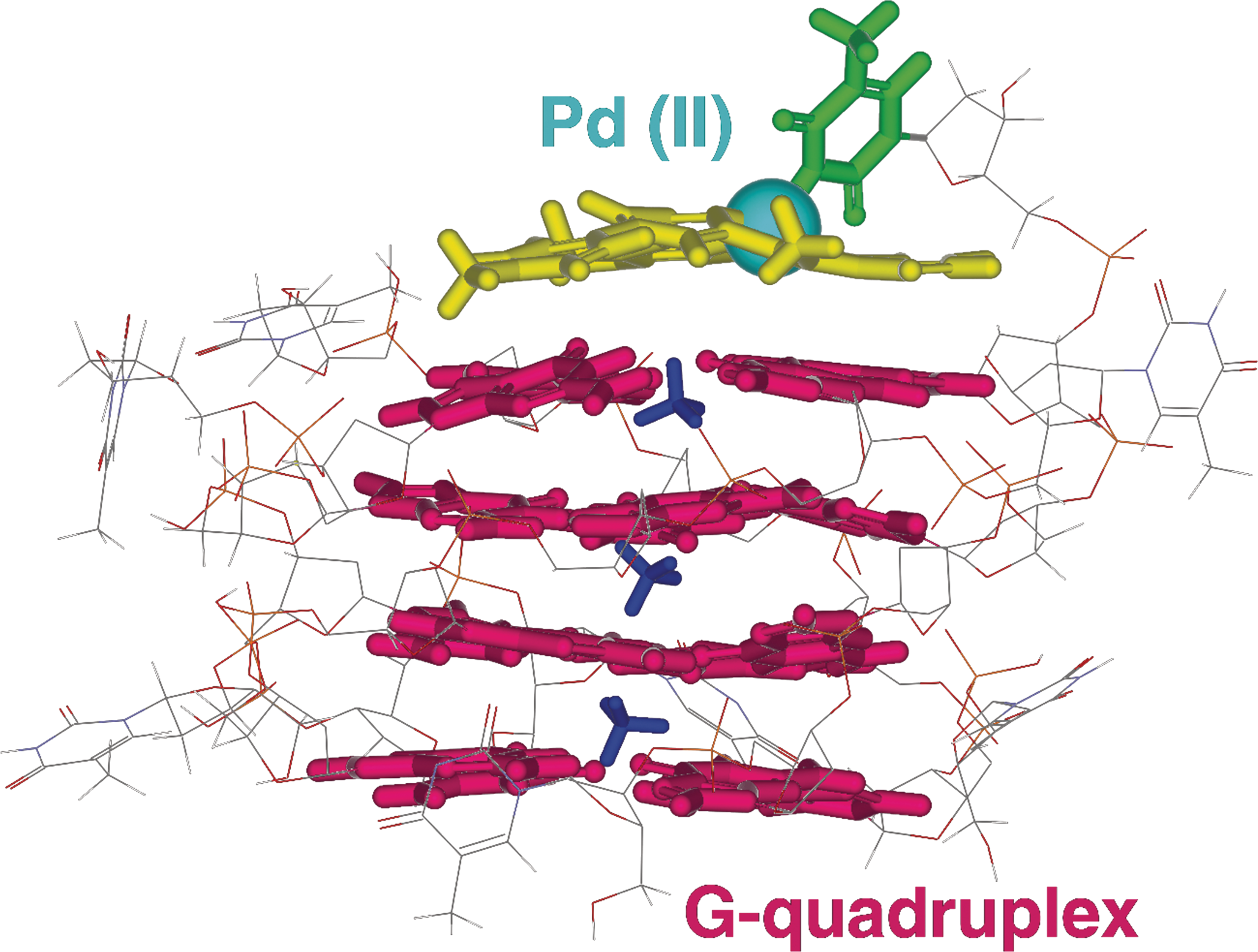
Metal complexes as covalent G4 binders

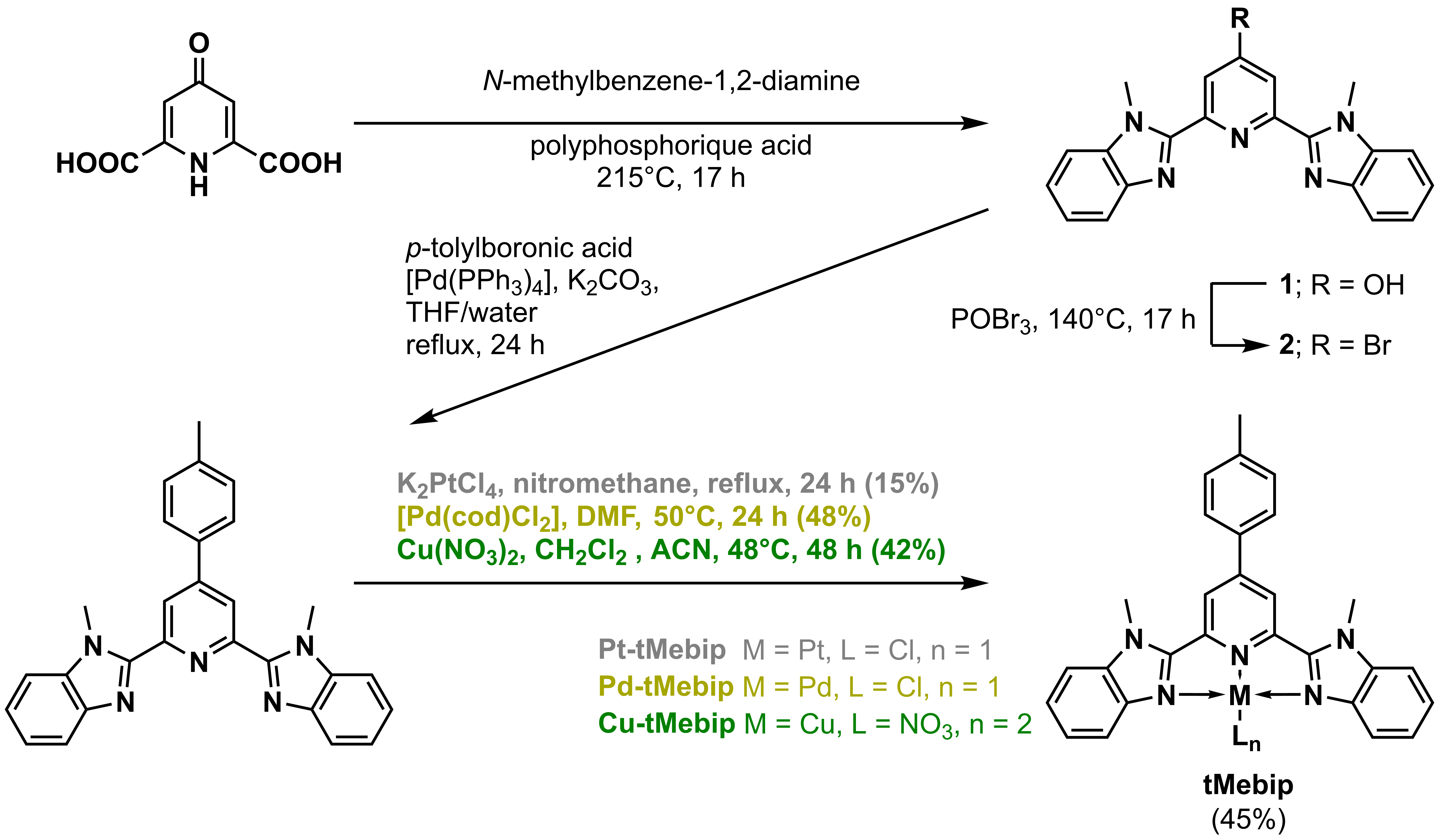
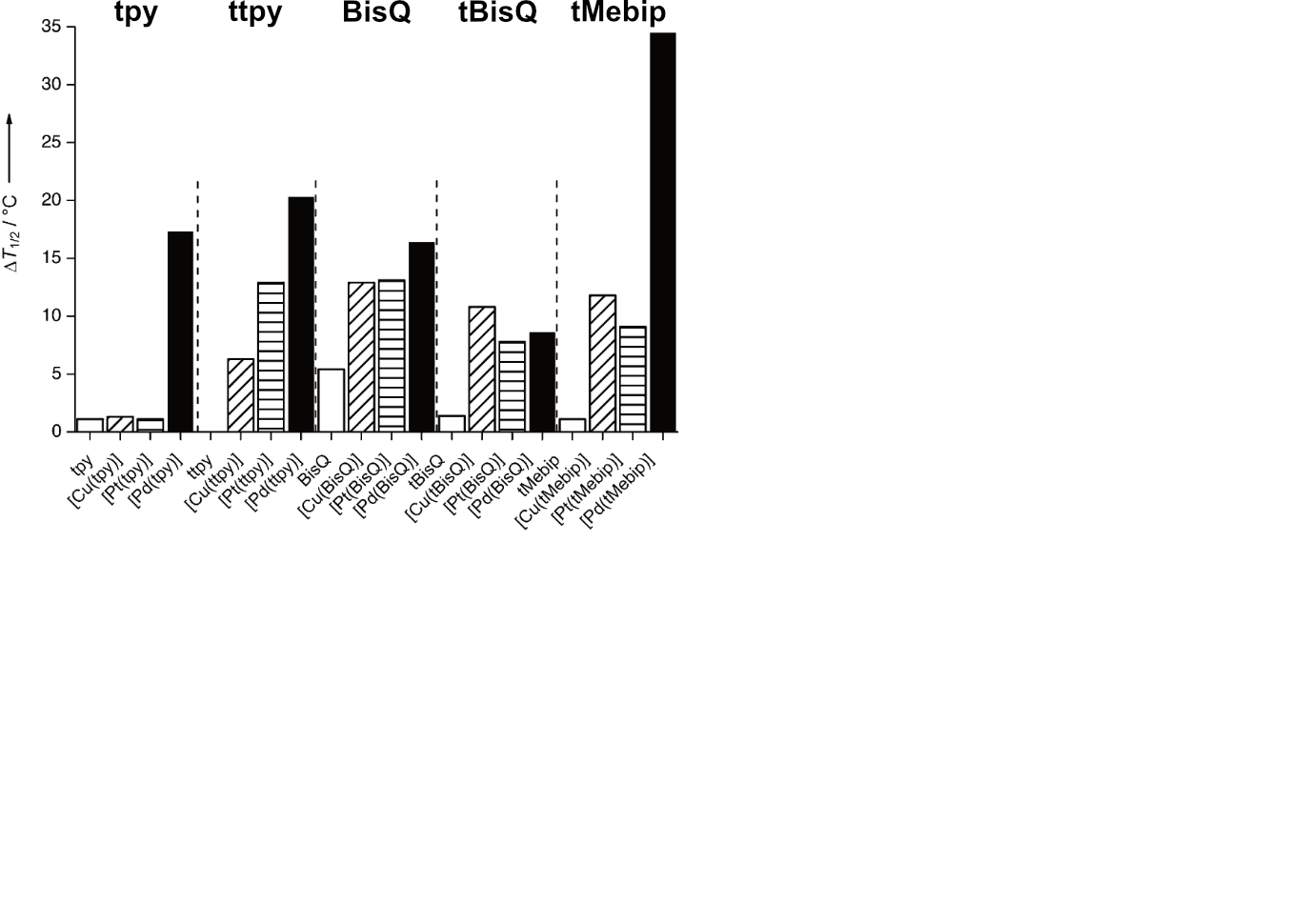
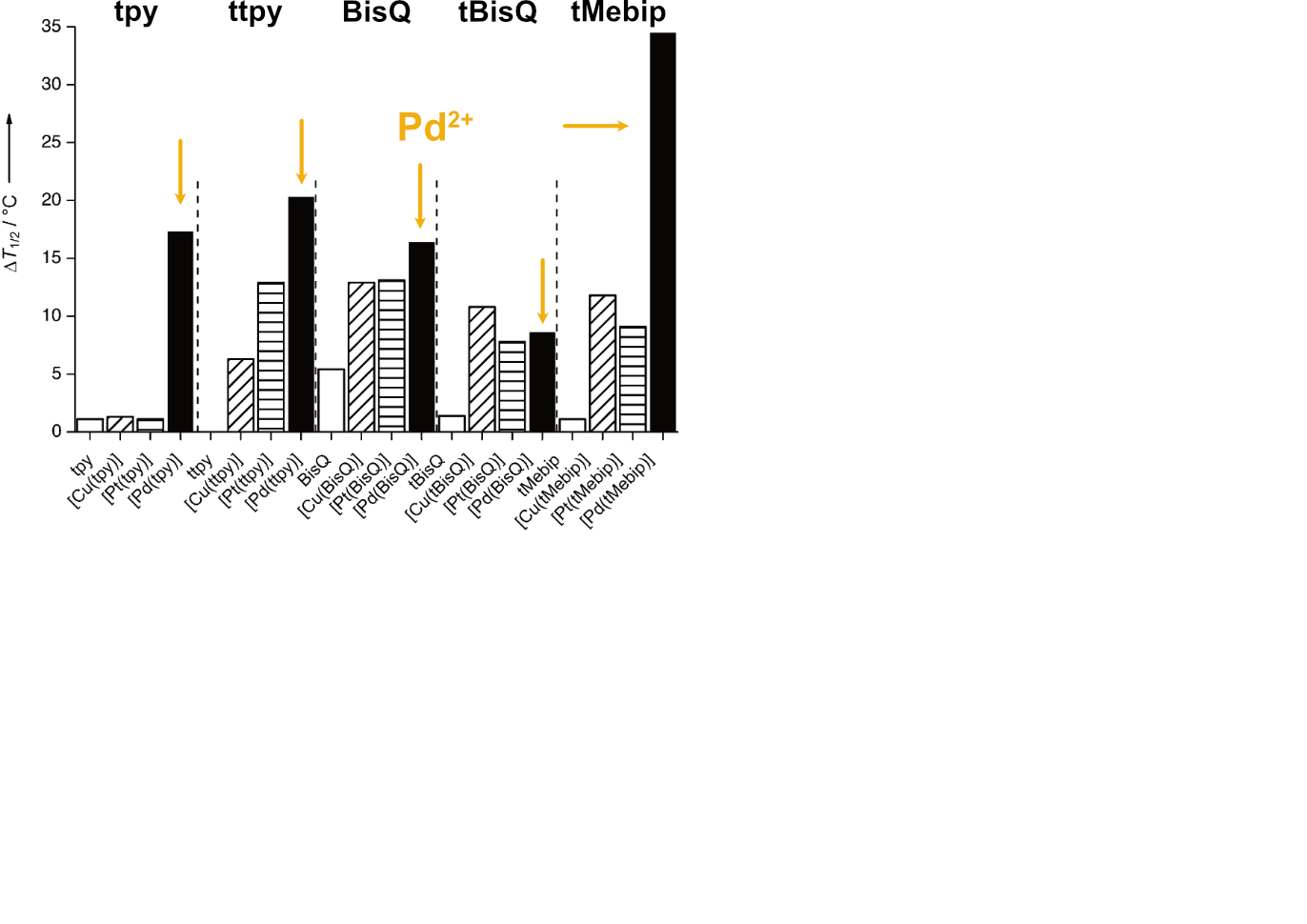
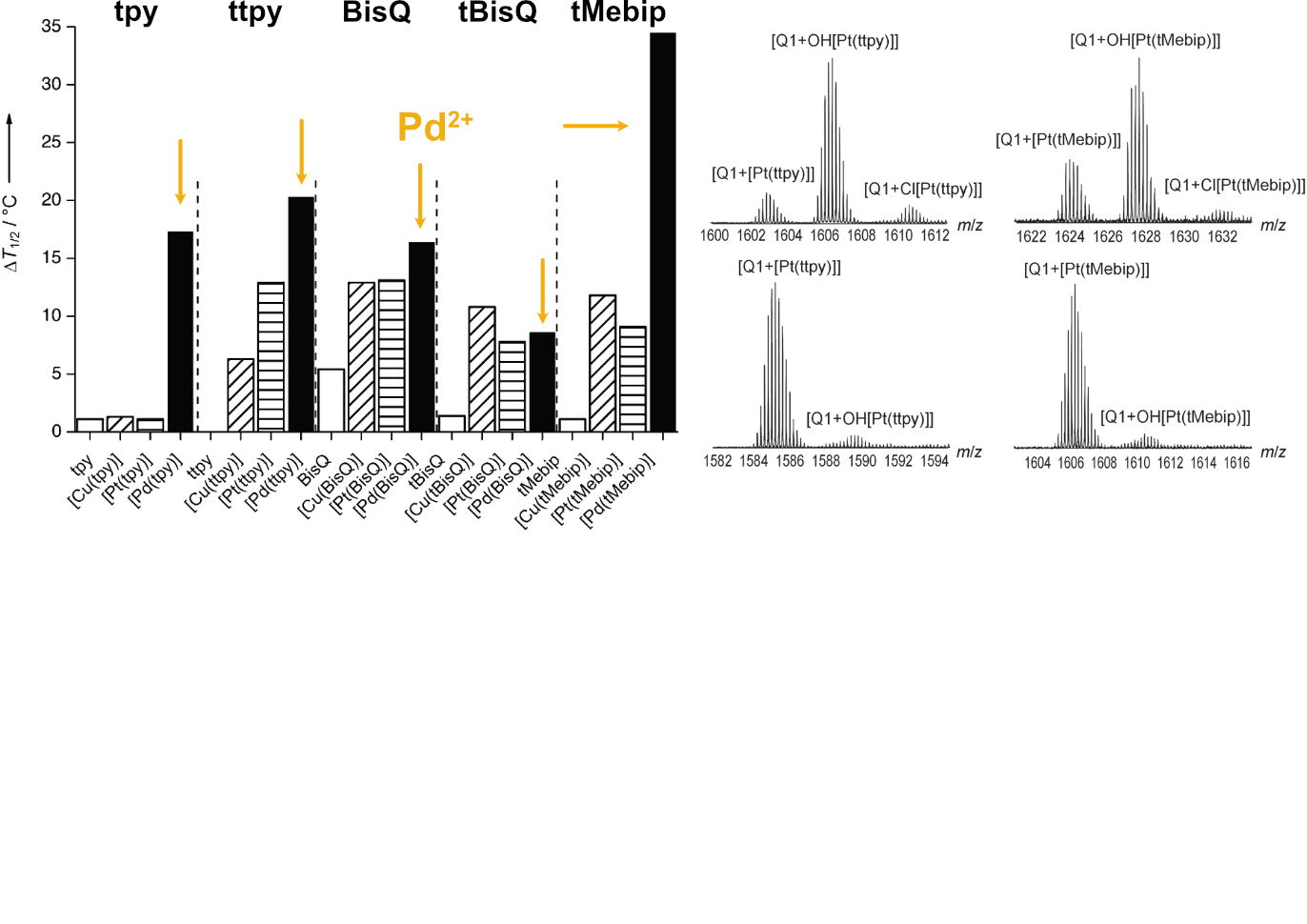
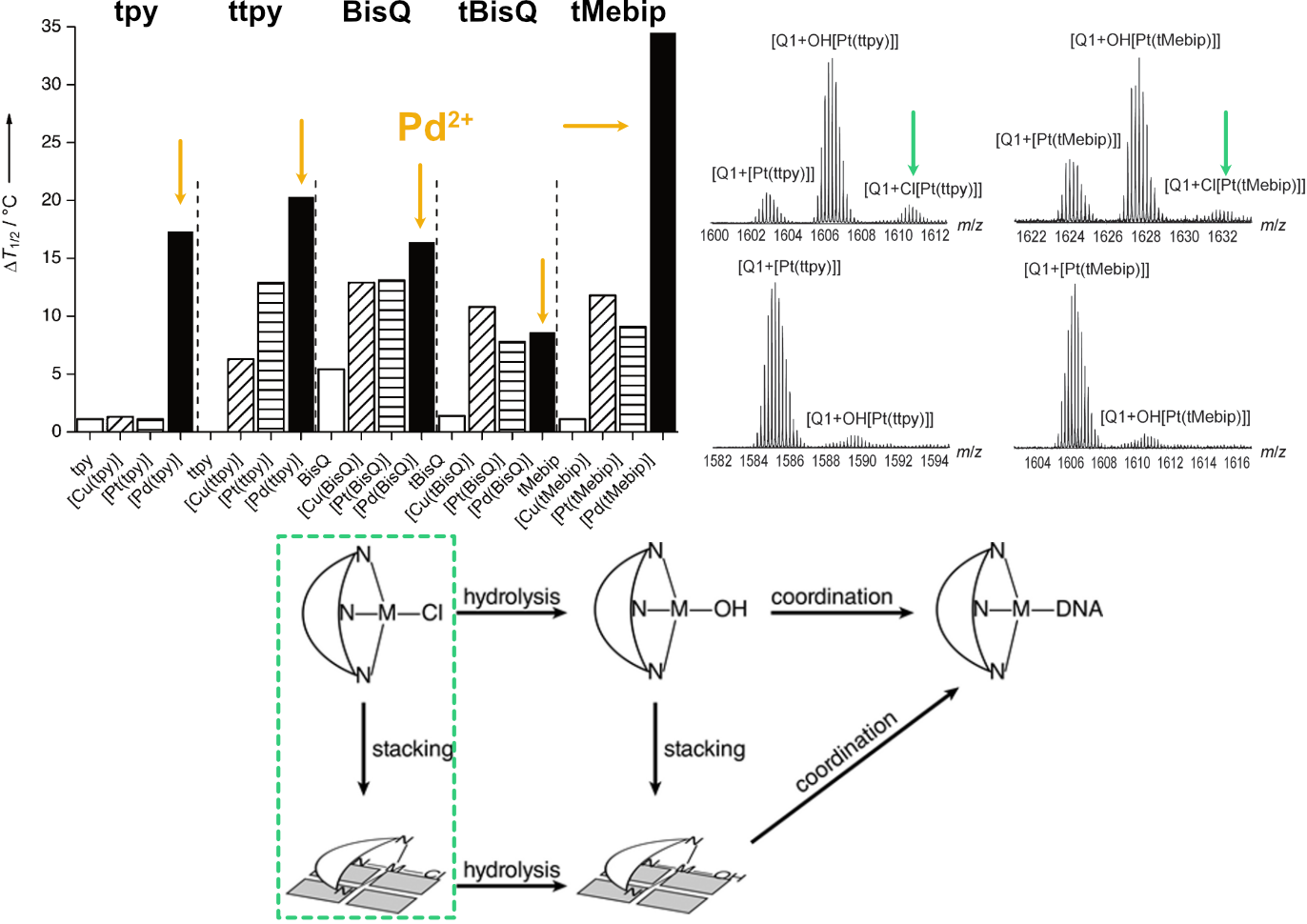
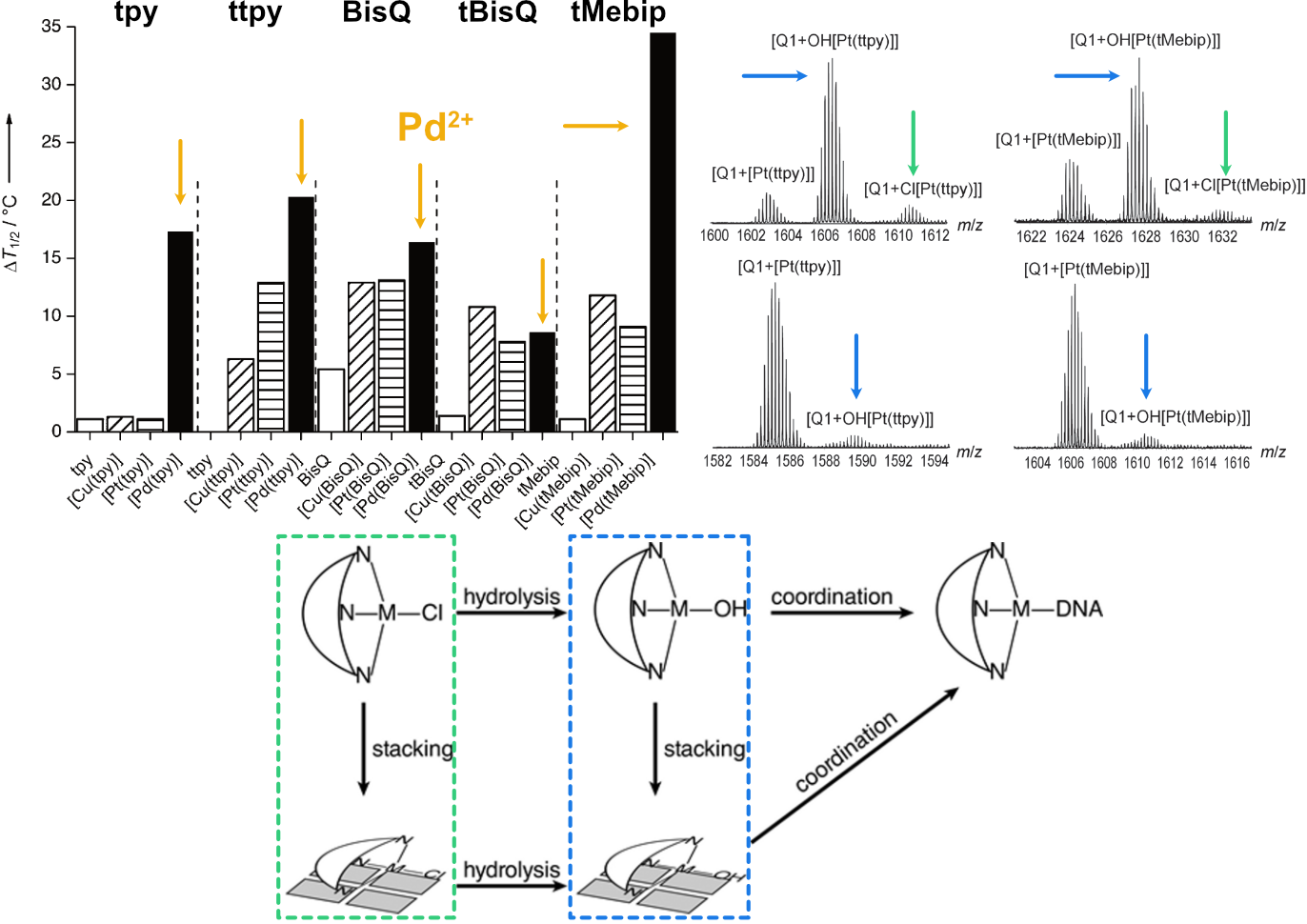
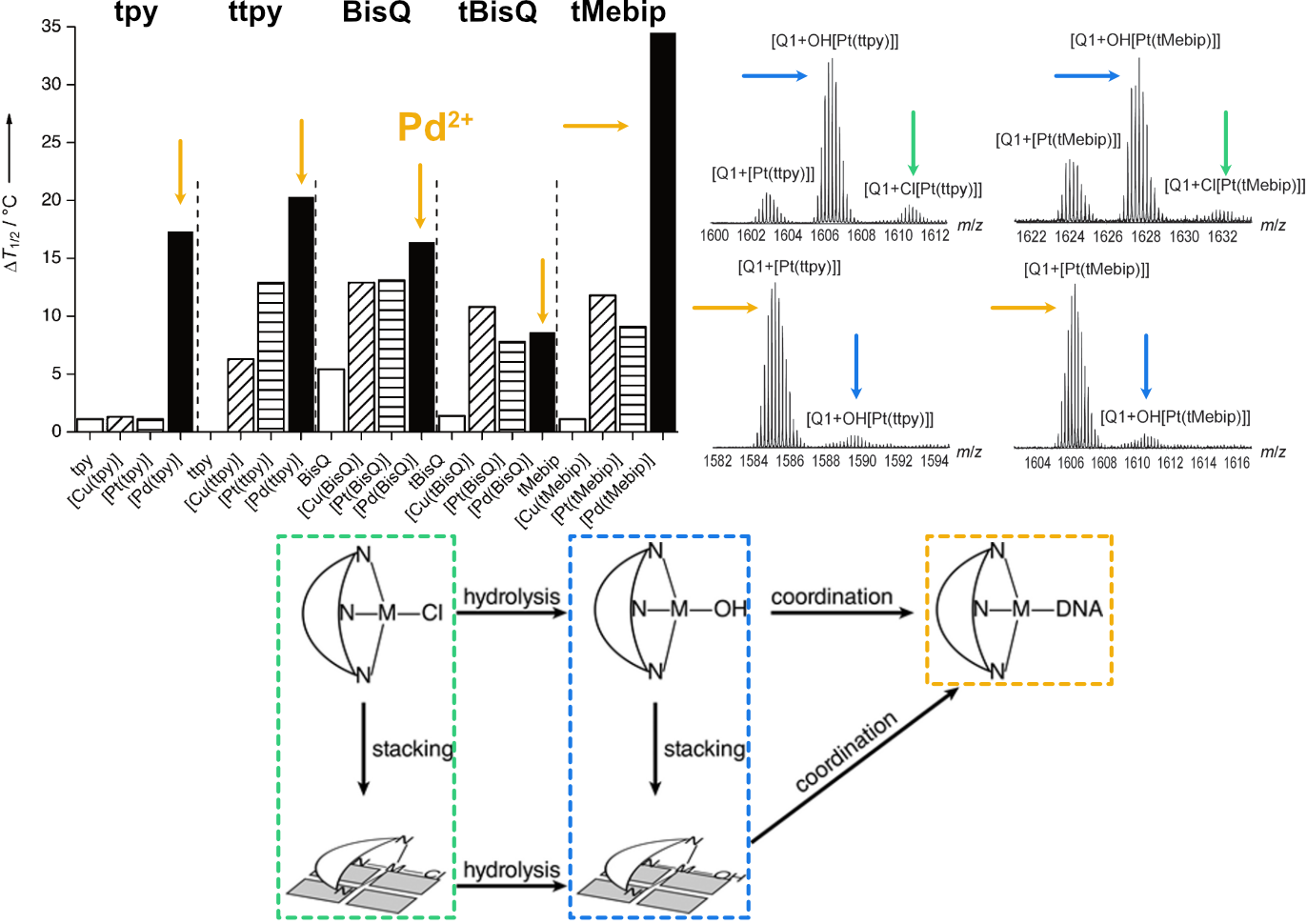



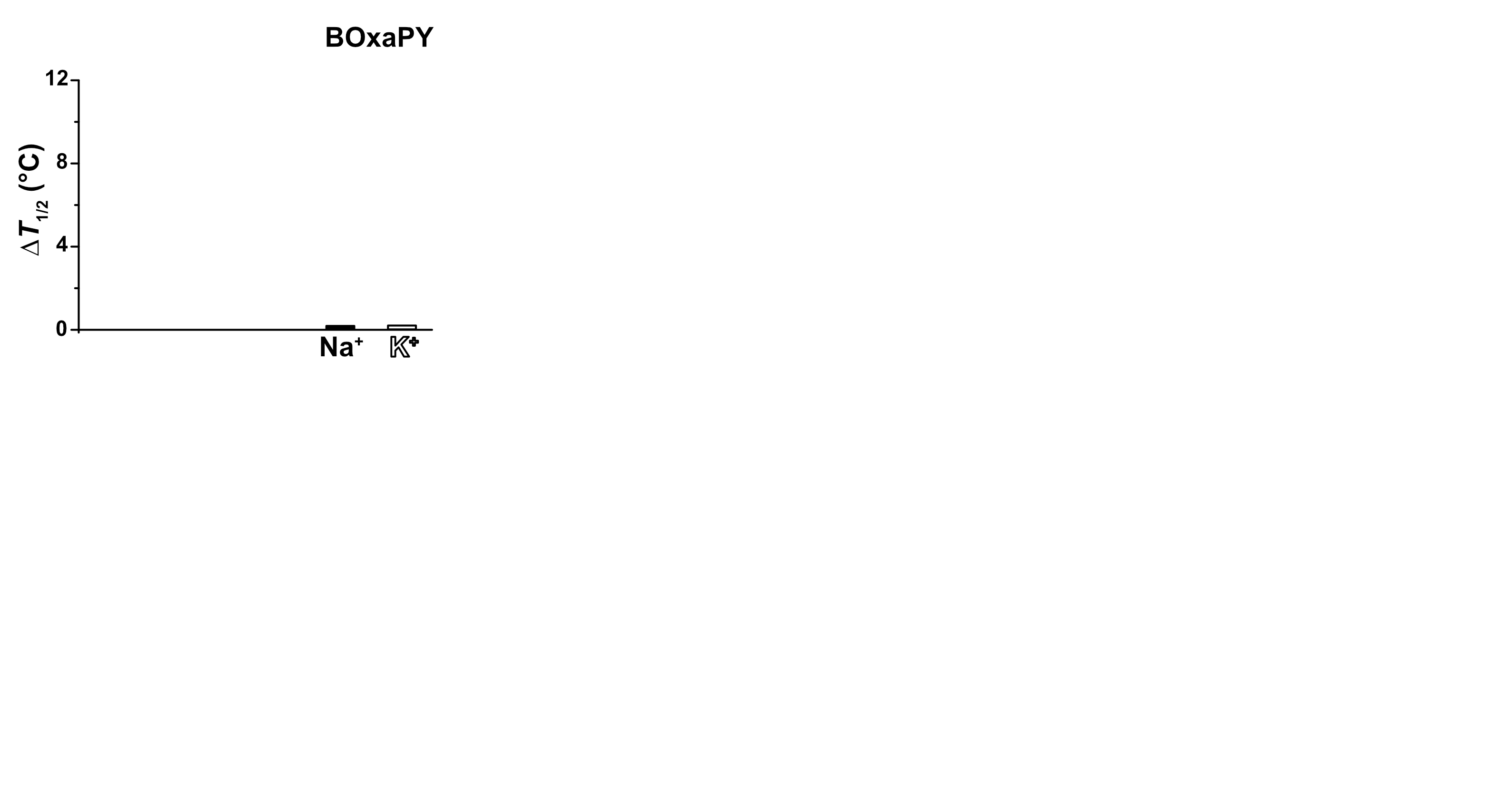
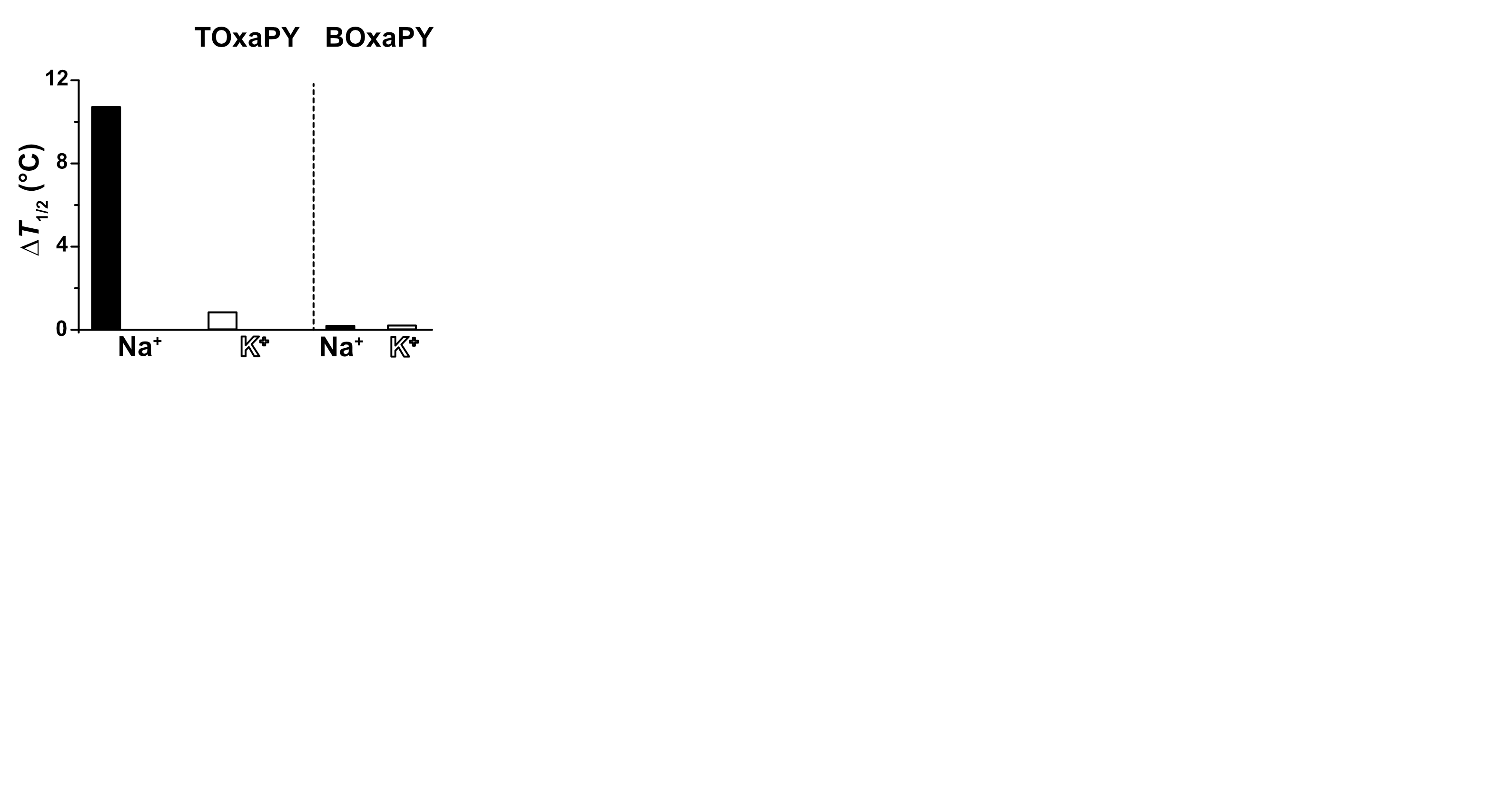
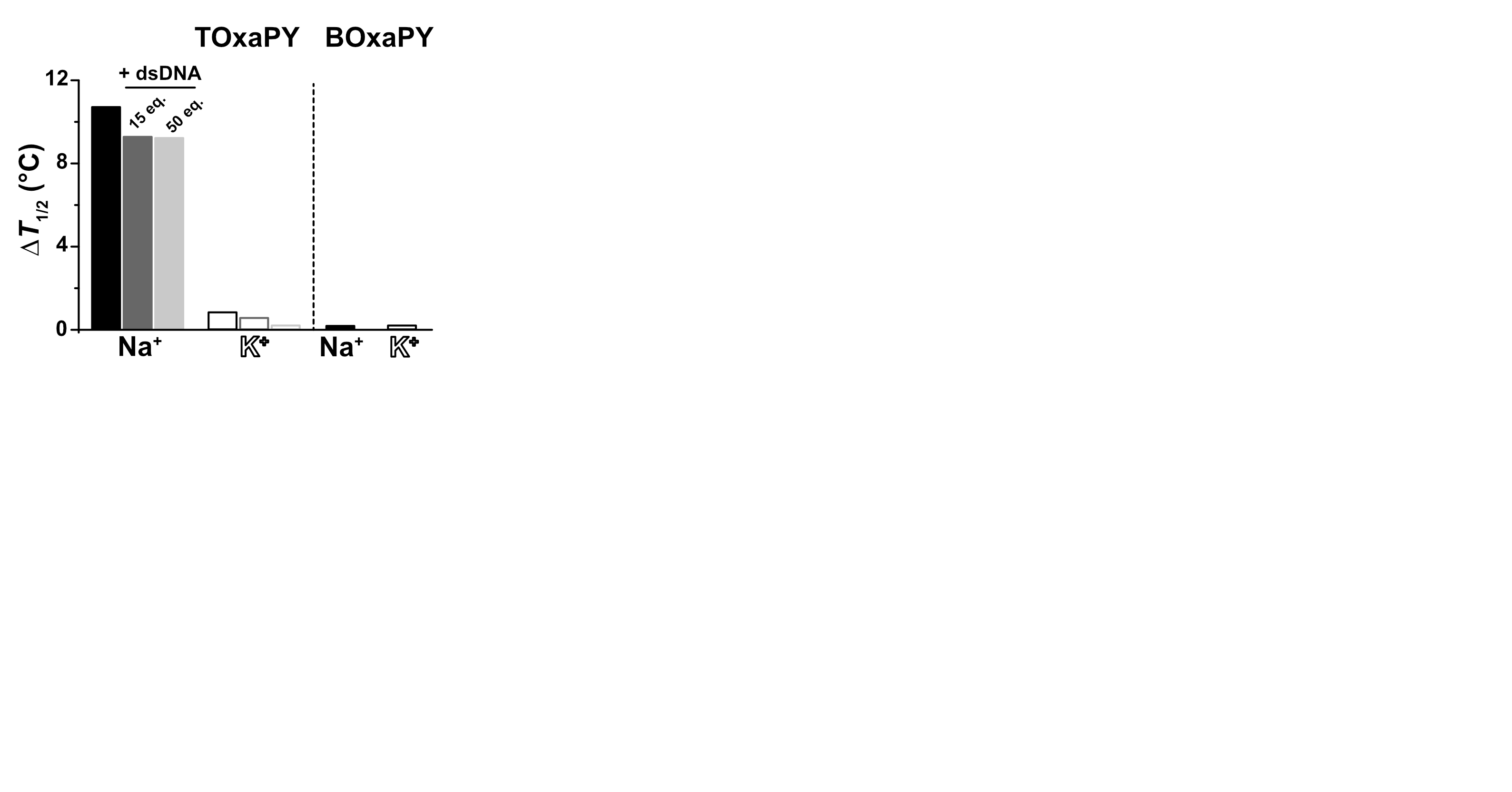
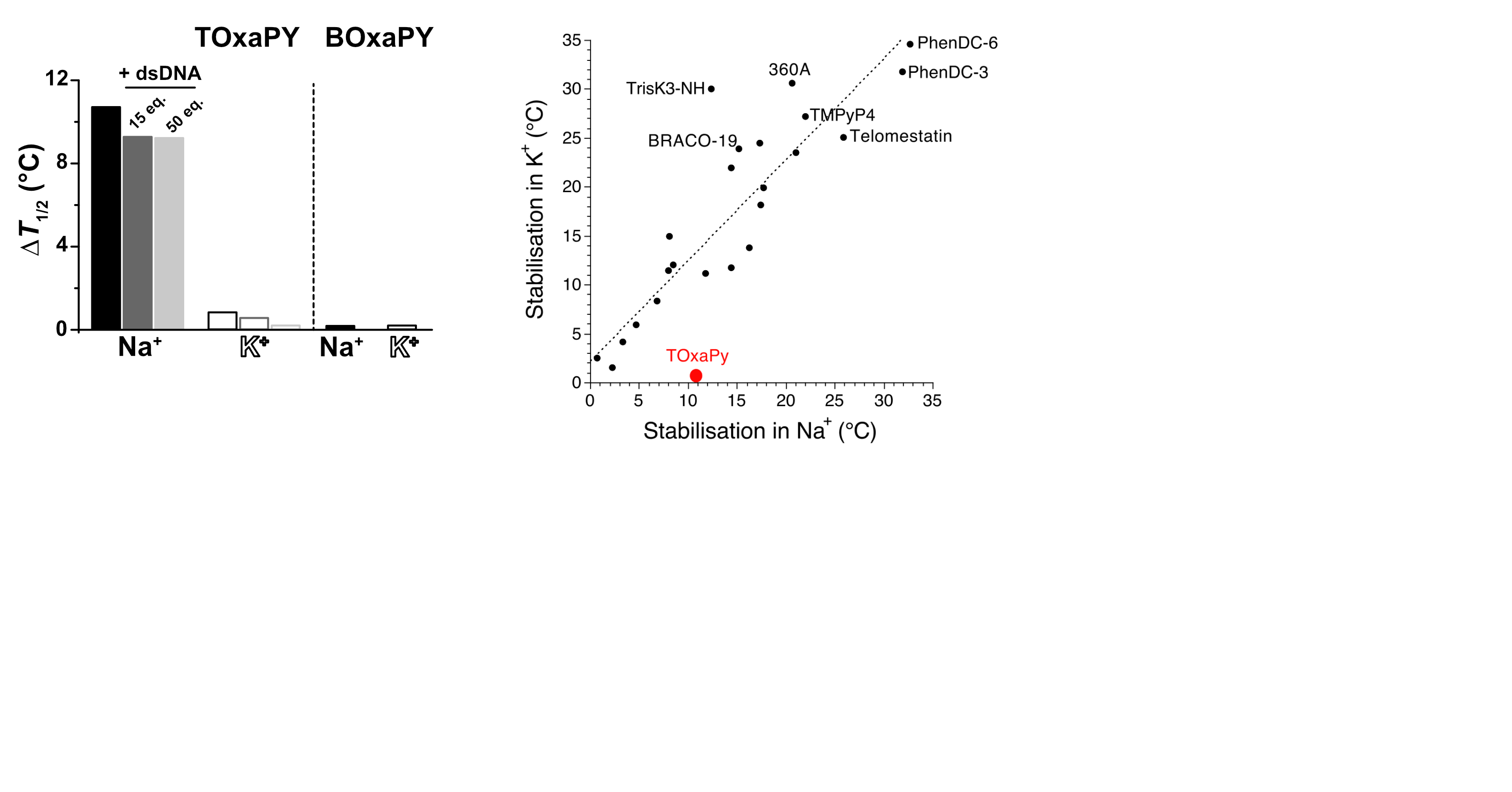
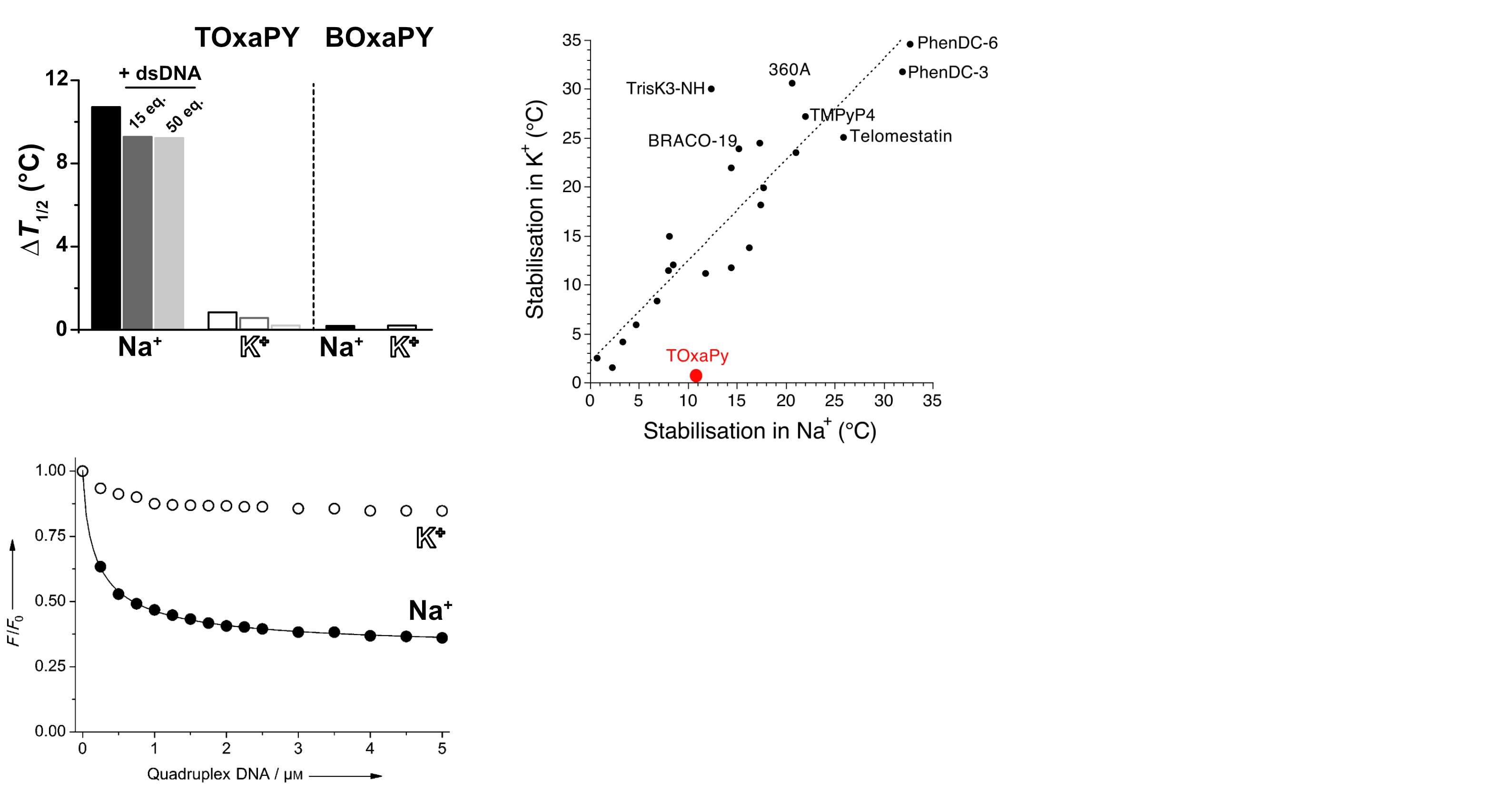
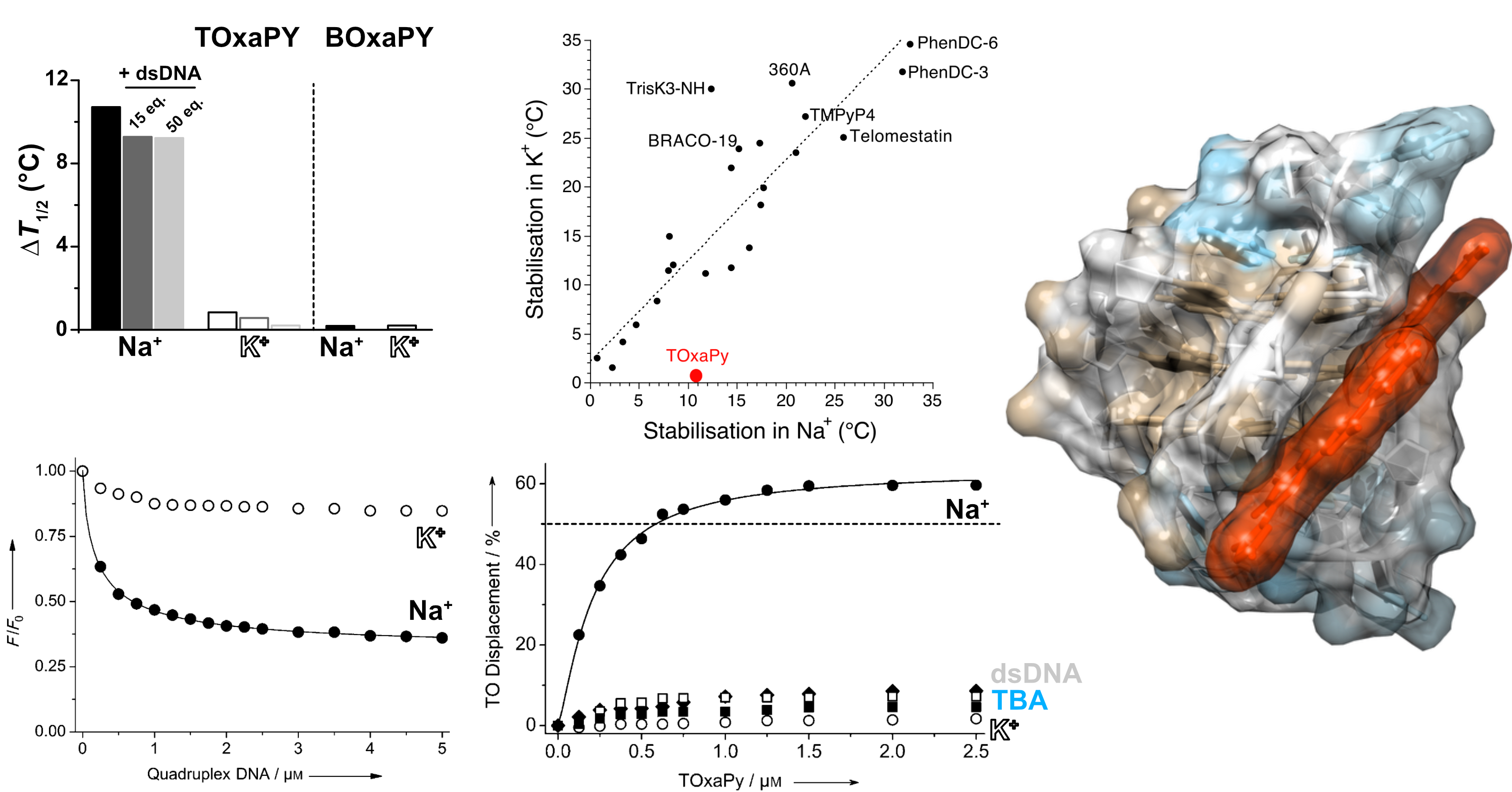
Acyclic oligoheteroaryl ligands as groove binders(?)
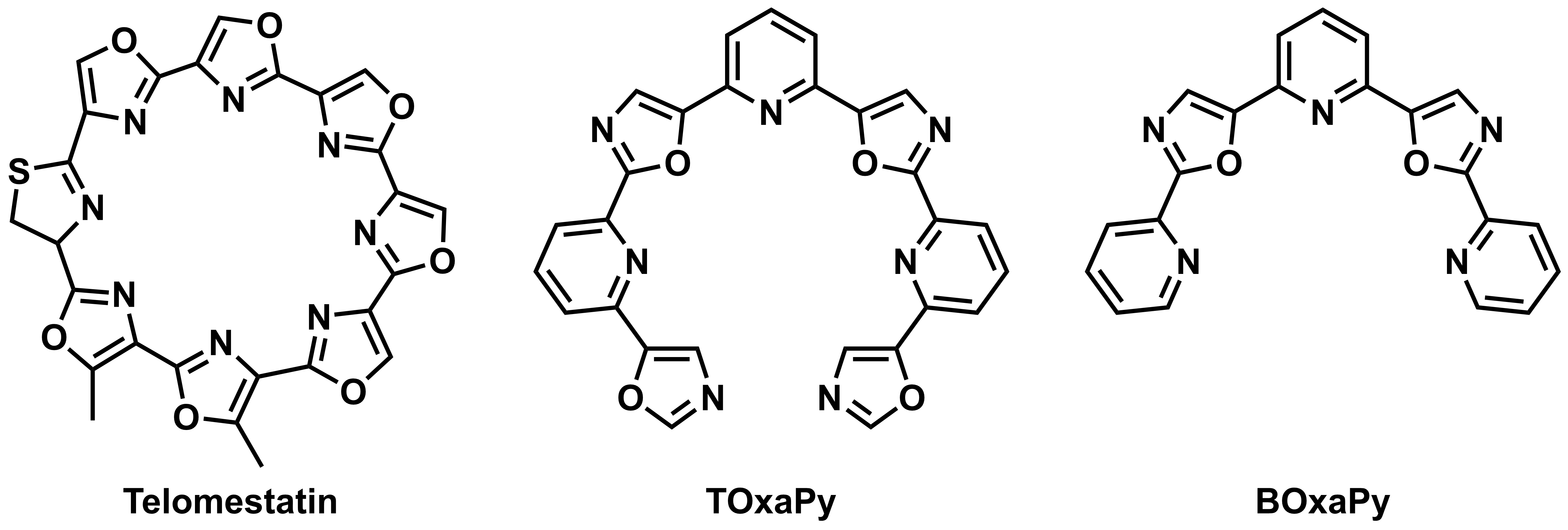
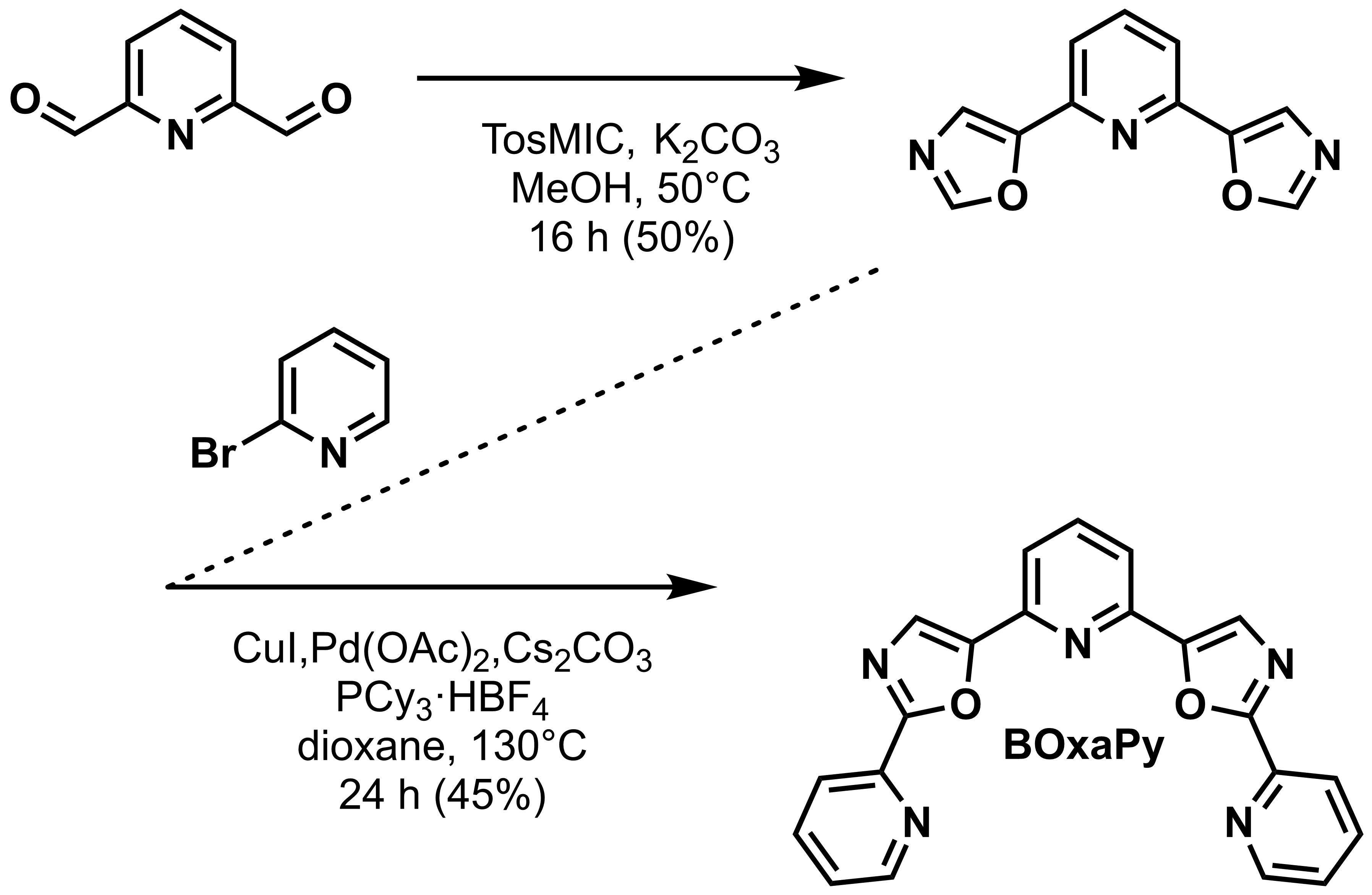
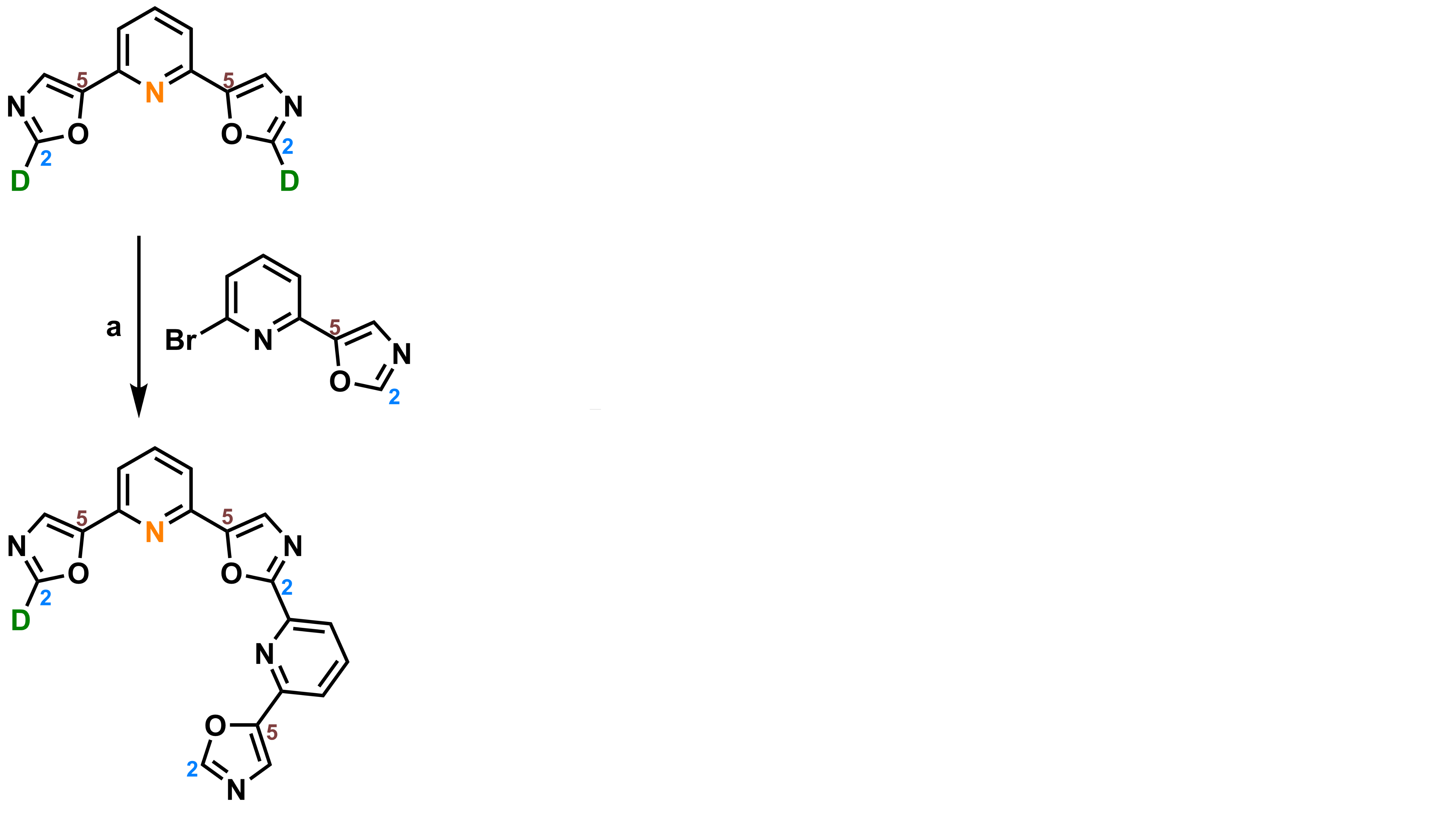
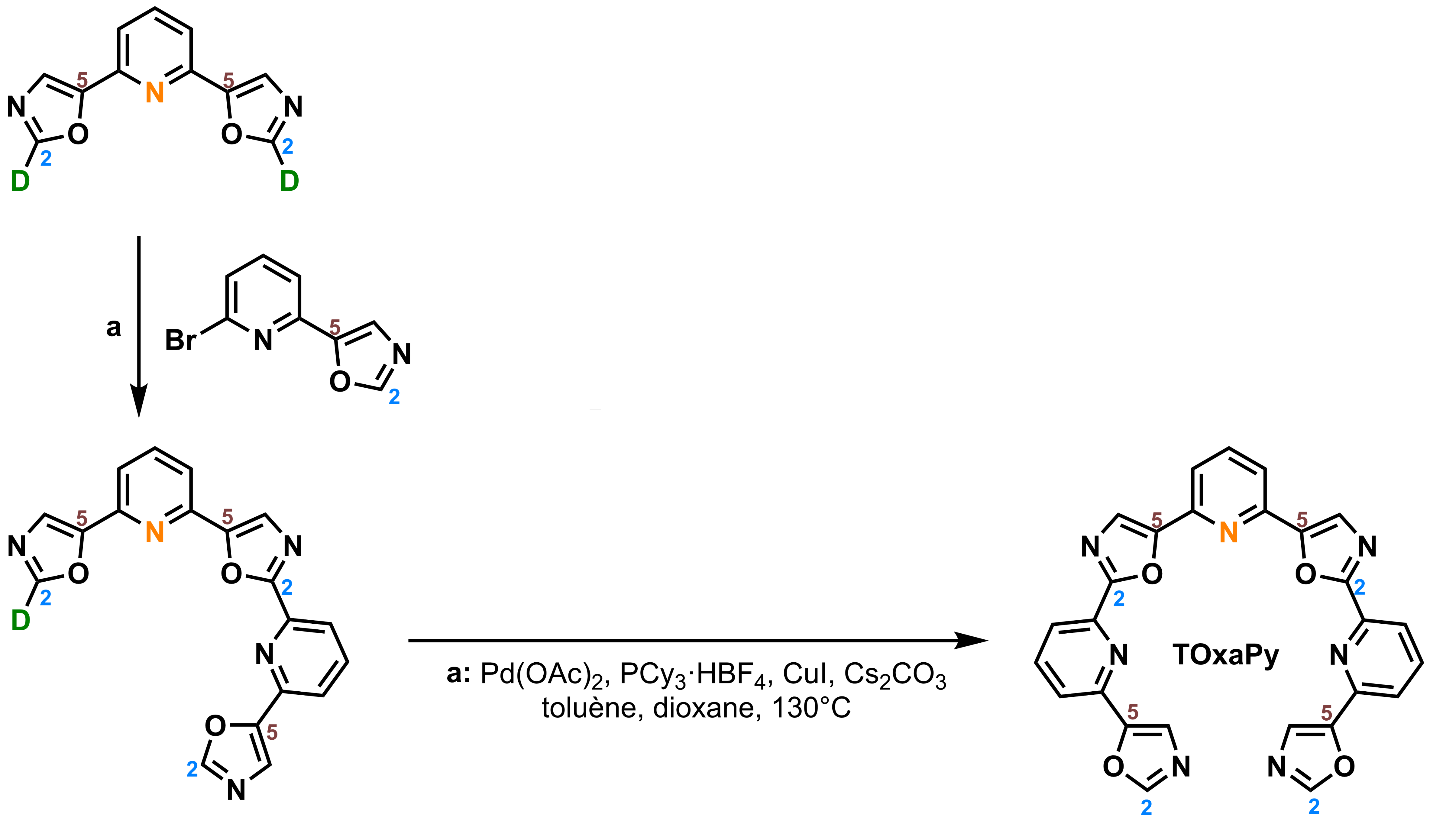
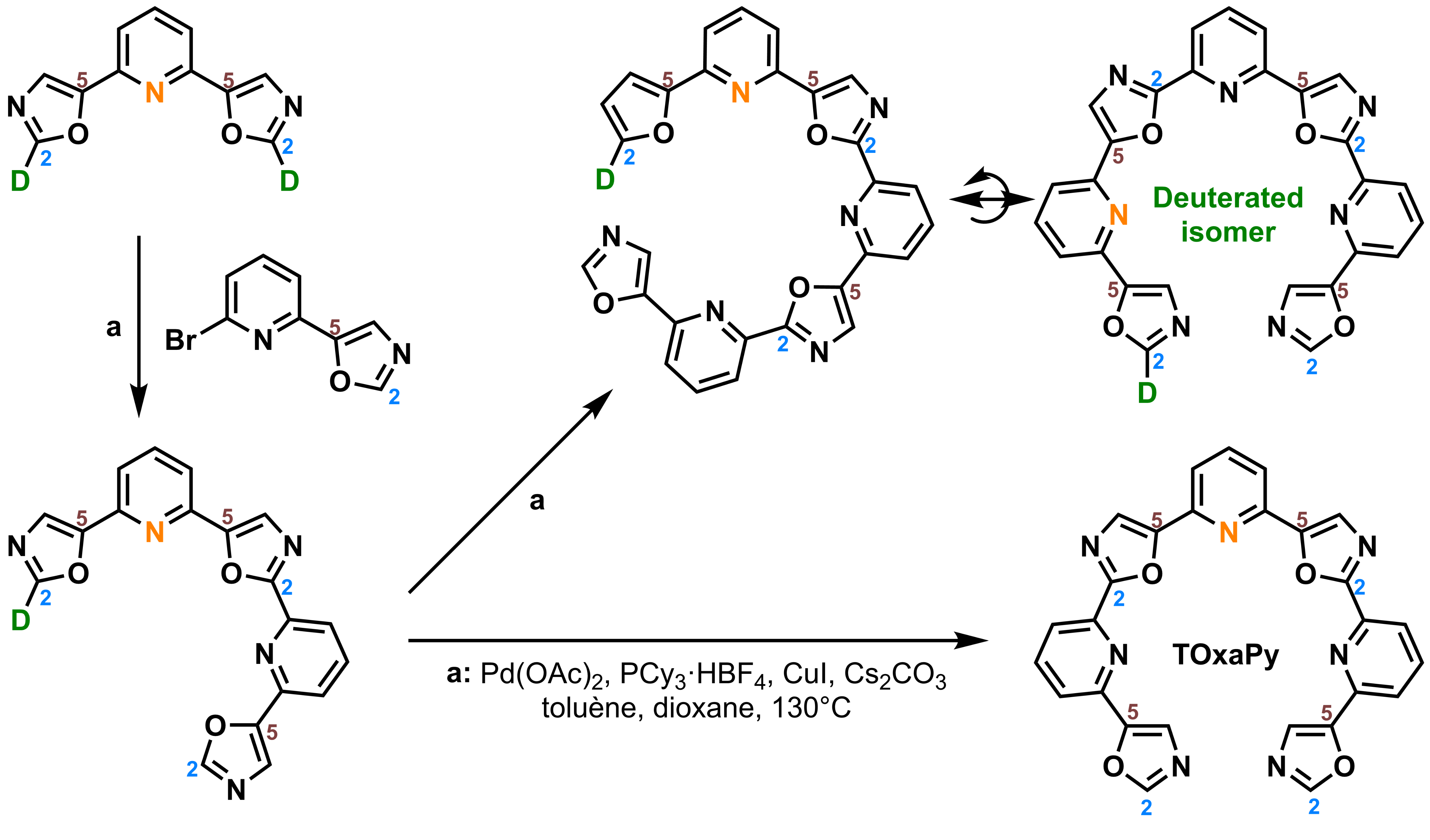
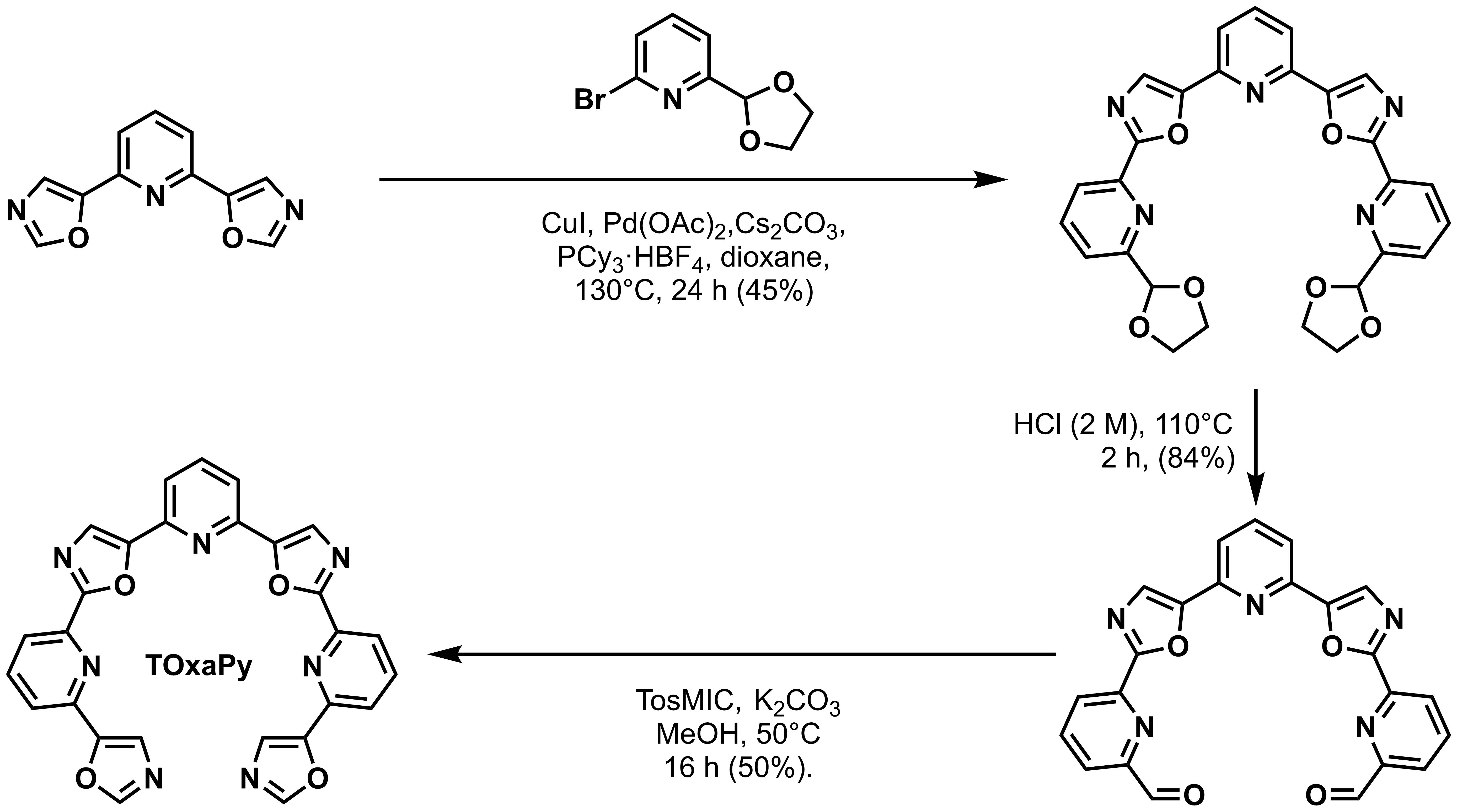

Acyclic oligoheteroaryl ligands as groove binders(?)

Postdoc at the University of British Columbia

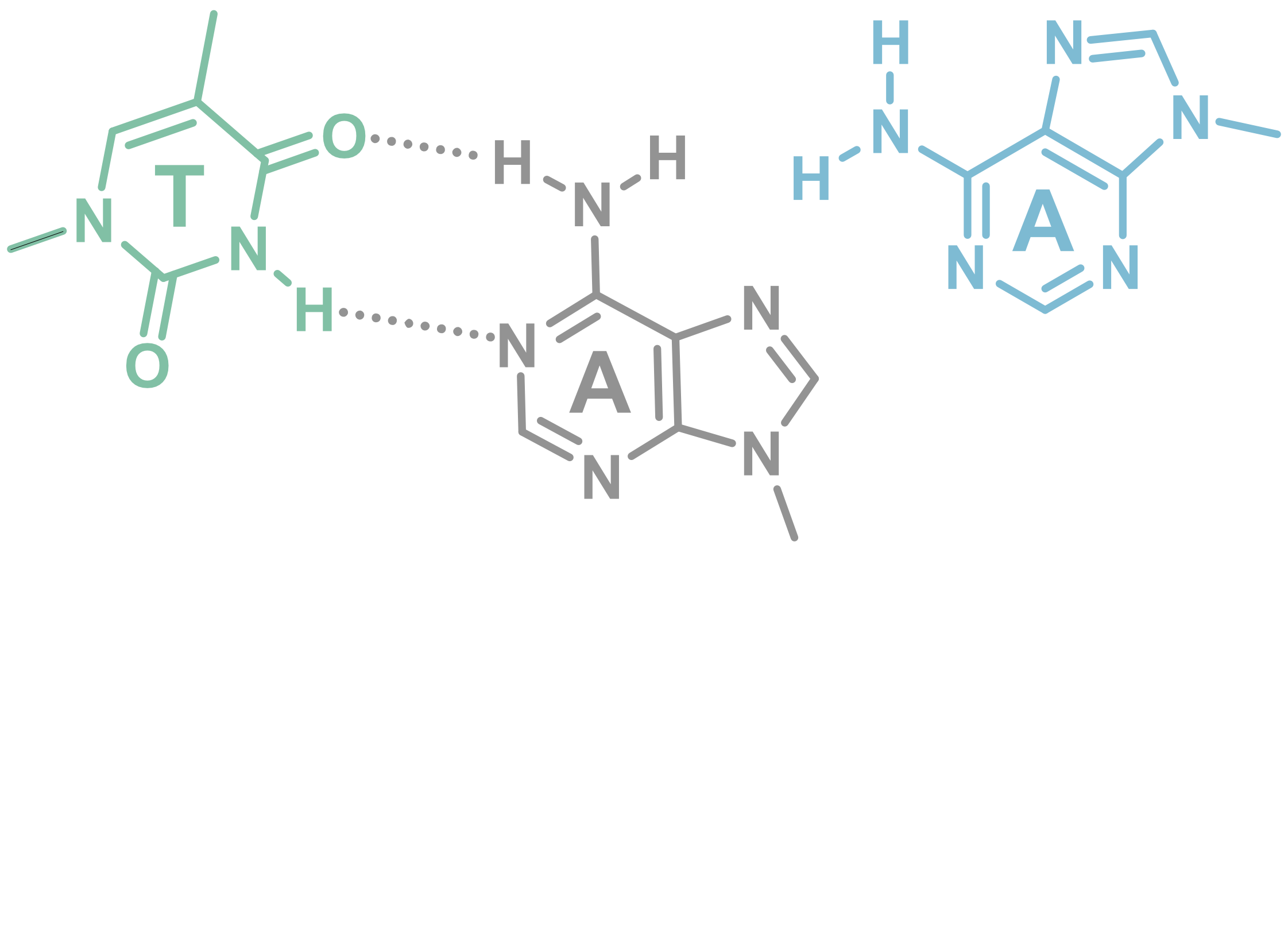
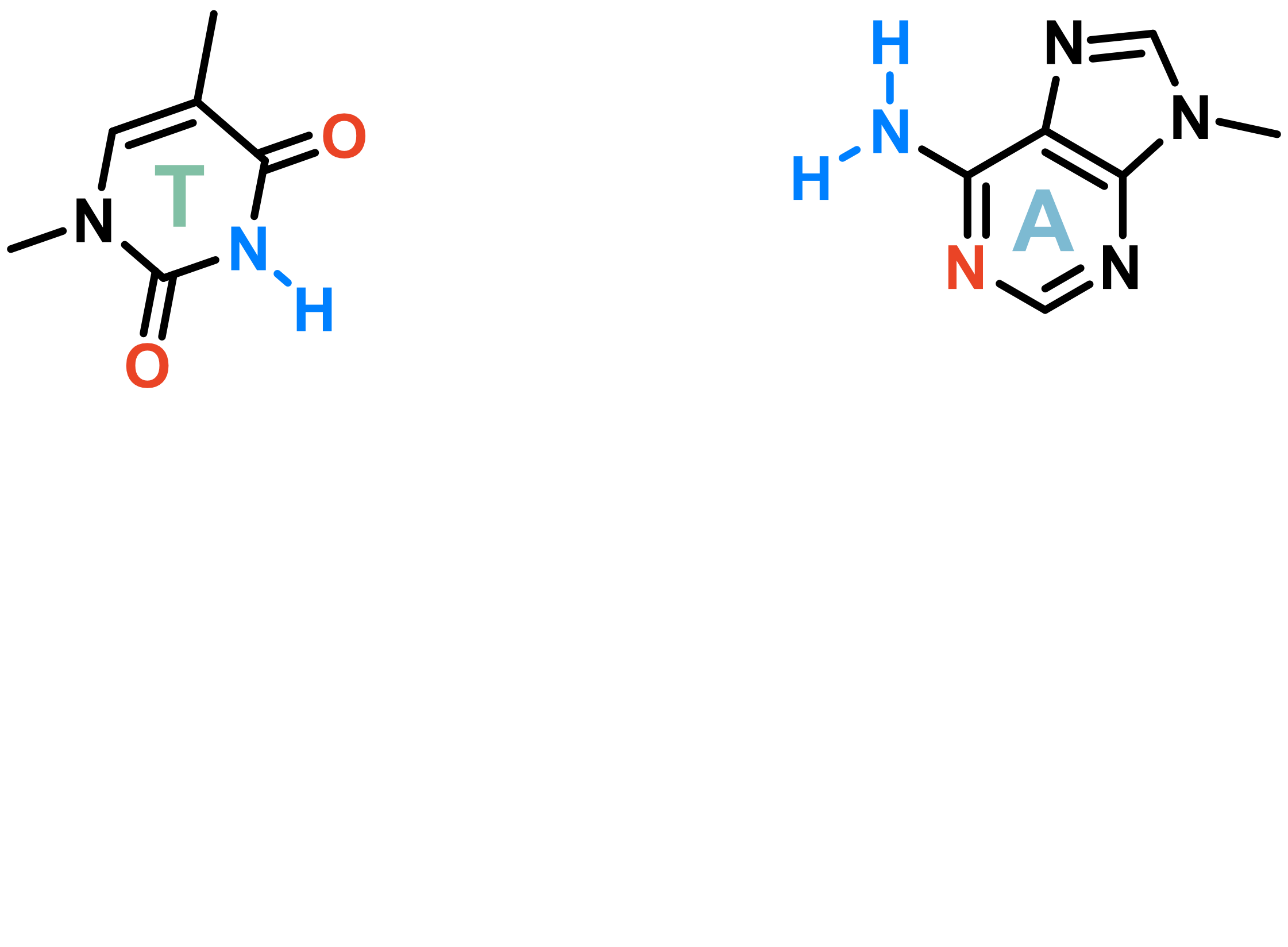
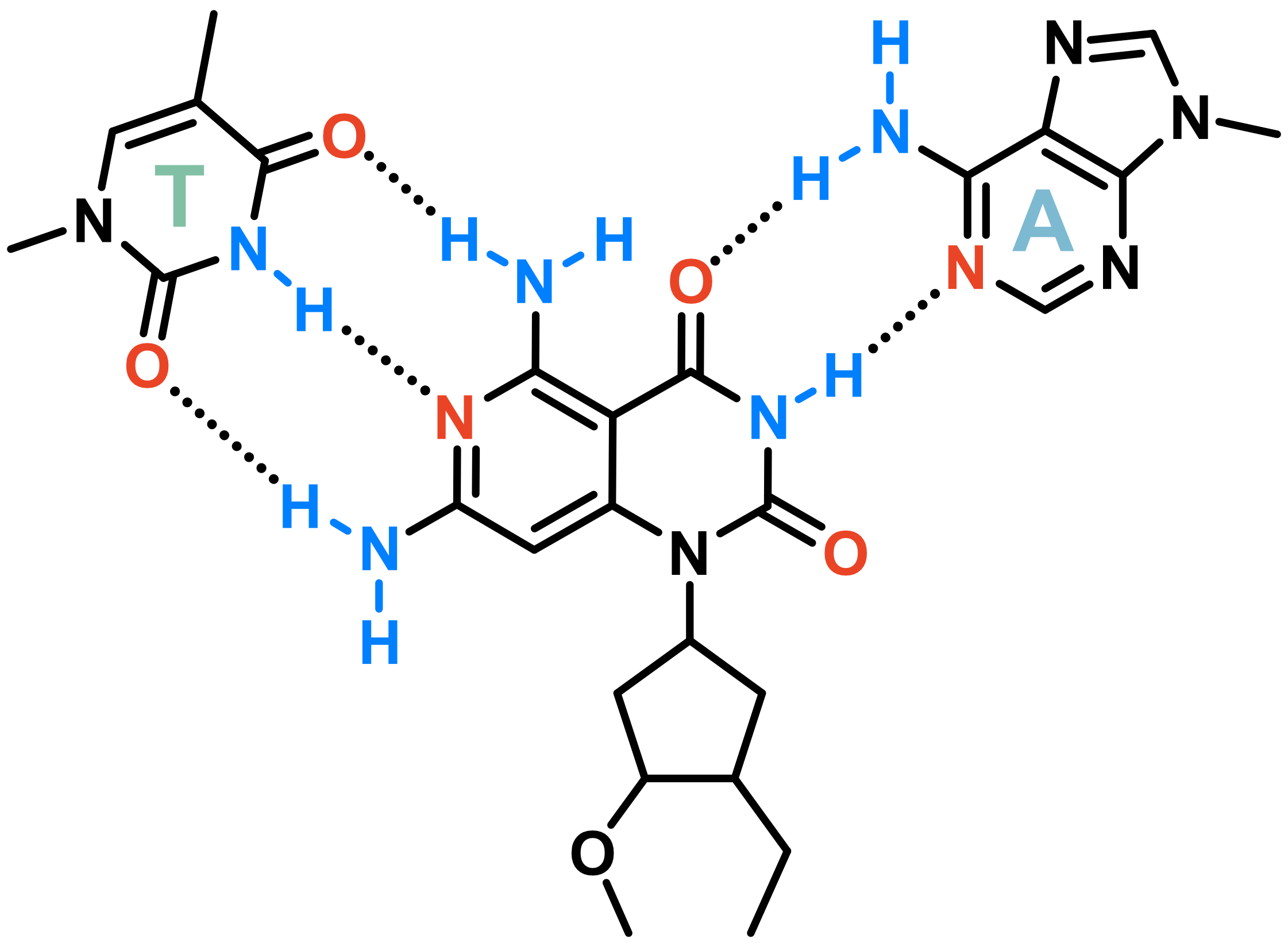
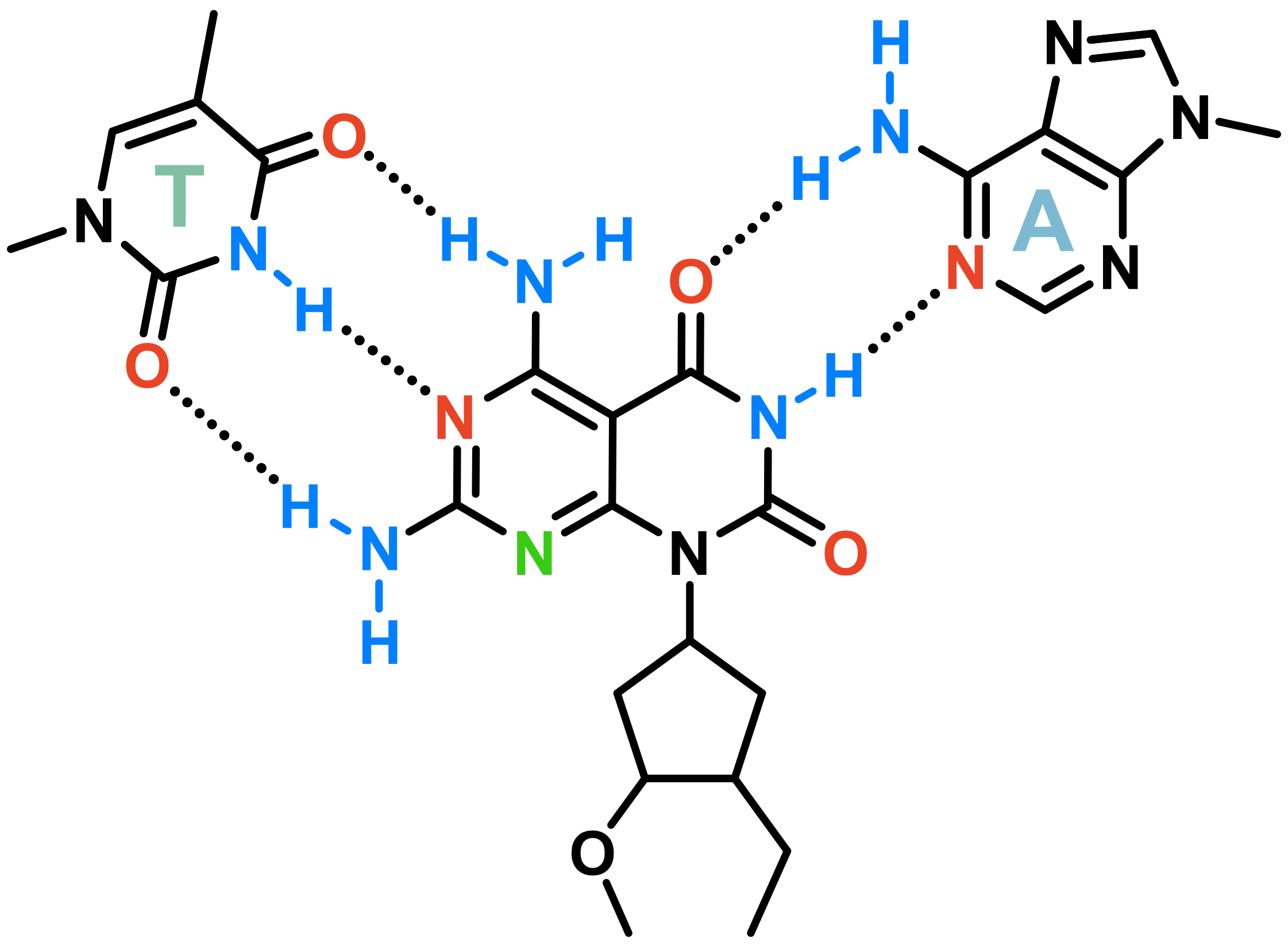
Invading duplexes with bifacial nucleosides
- Antisense strategy limited
- Requires strand displacement
- Not particularly energetically favorable
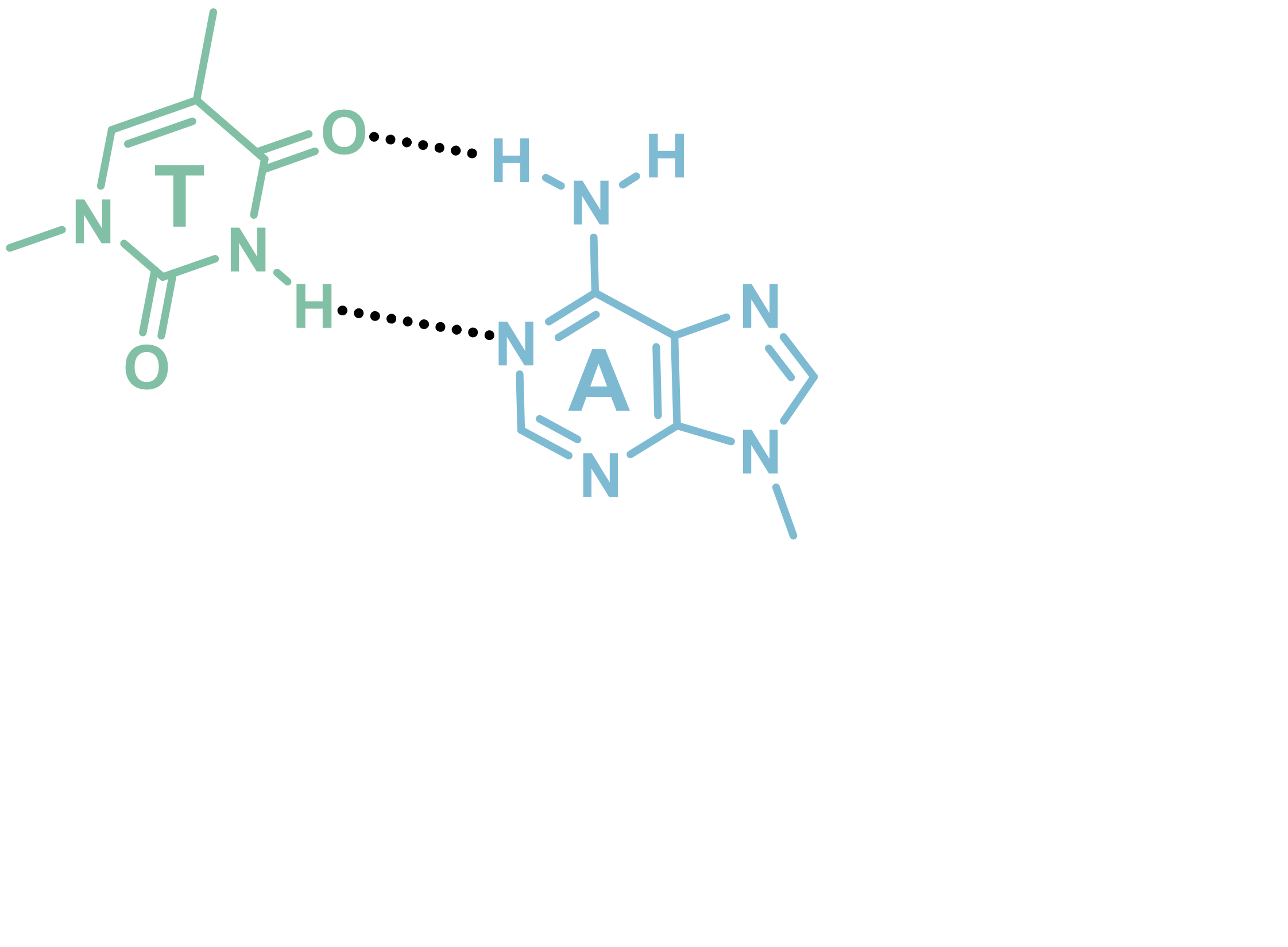
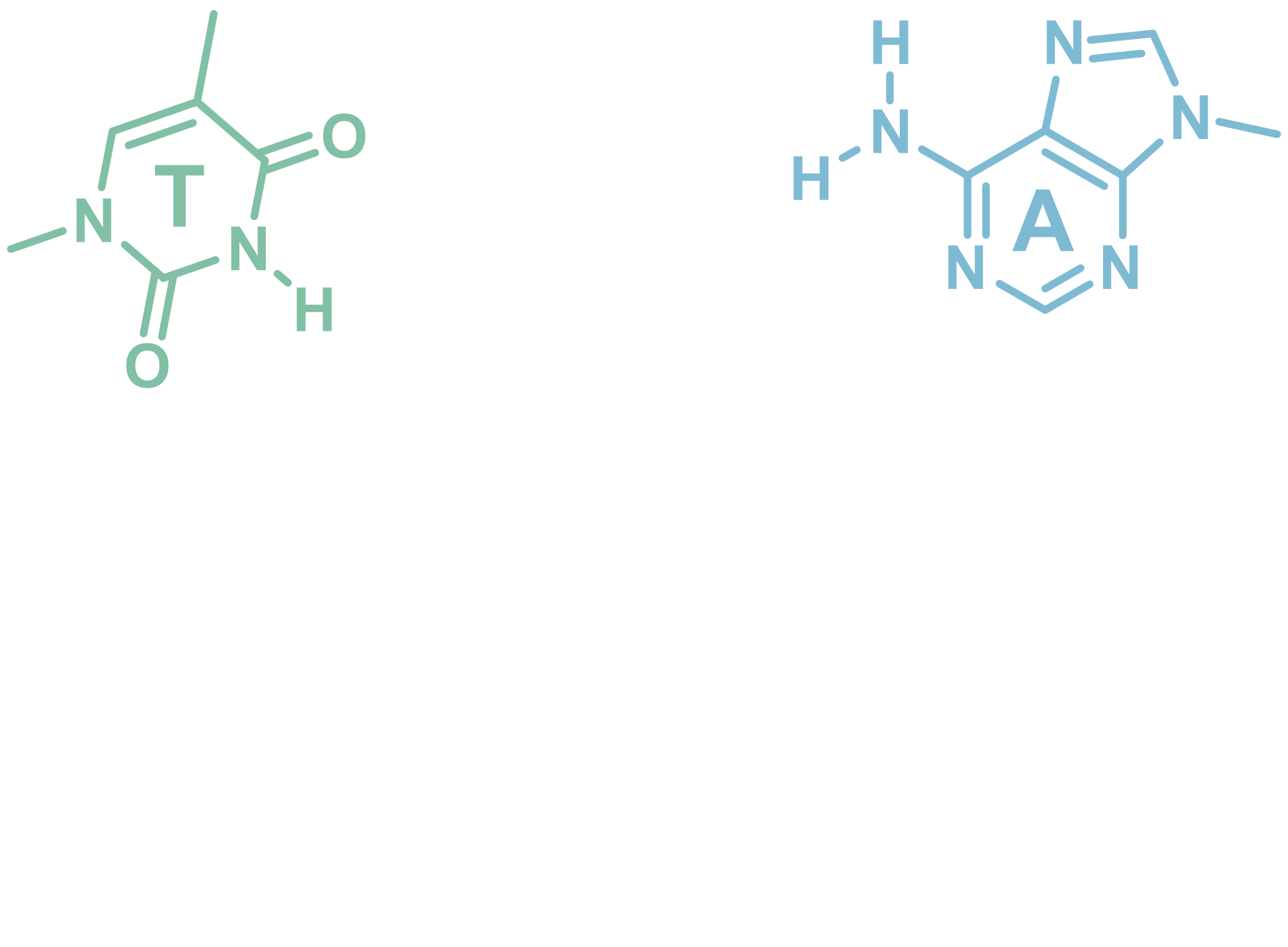
- Energetic gain by forming additional H-bonds
- Exploit H-bond donor/acceptor groups on both strands
- First generation JAT
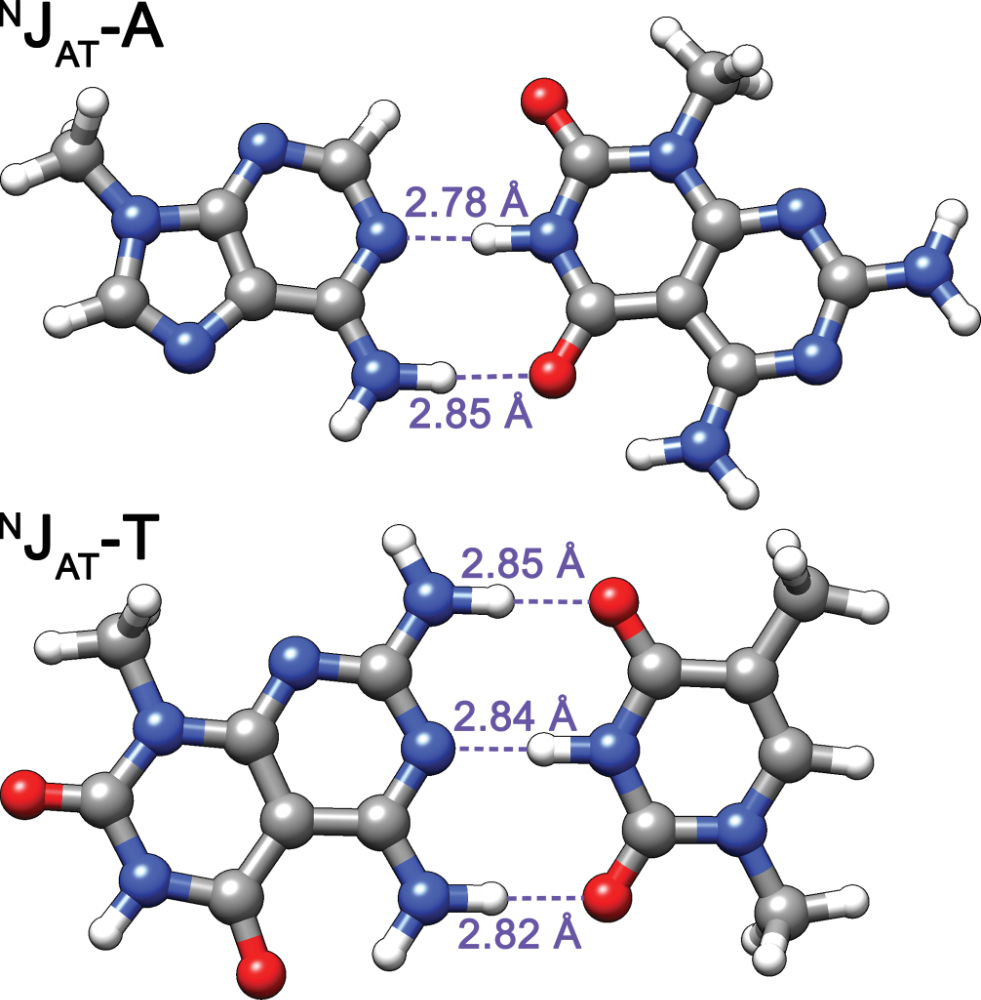
- Donor/Acceptor network designed to target bp
- Suboptimal protonation state at physiological pH
- \(pK_{a} \approx 7.5\)
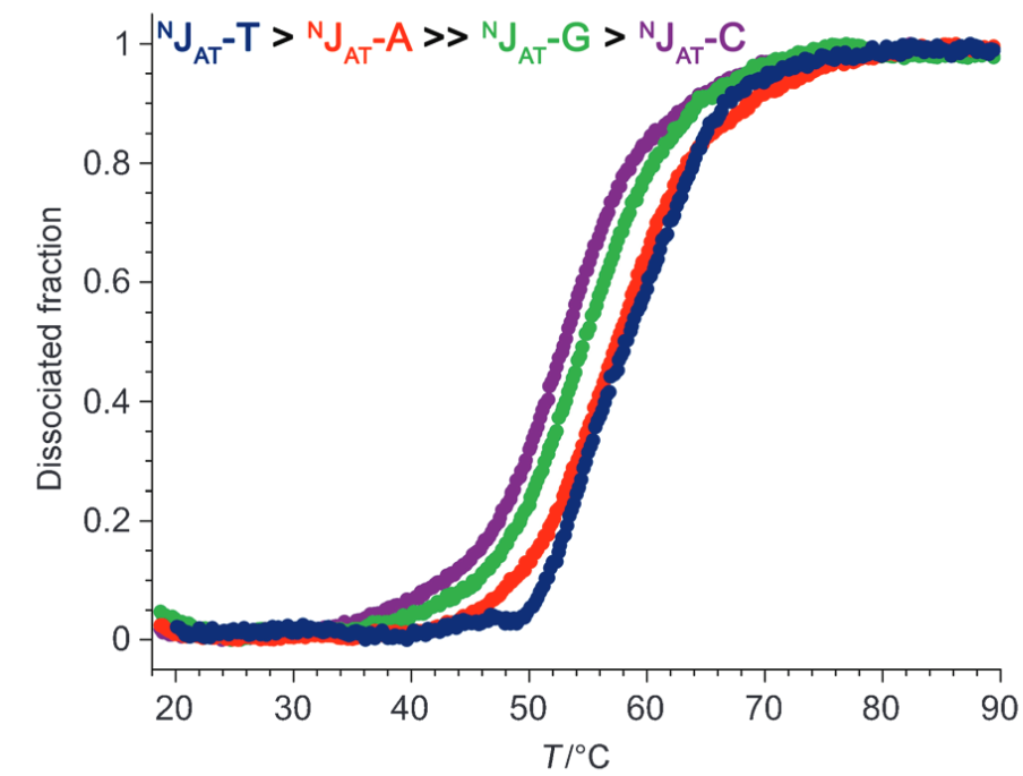
- Second generation NJAT
- Lowered pKa
- Improved binding
- Sequence-selective (Tm ~ 10°C > G/C)
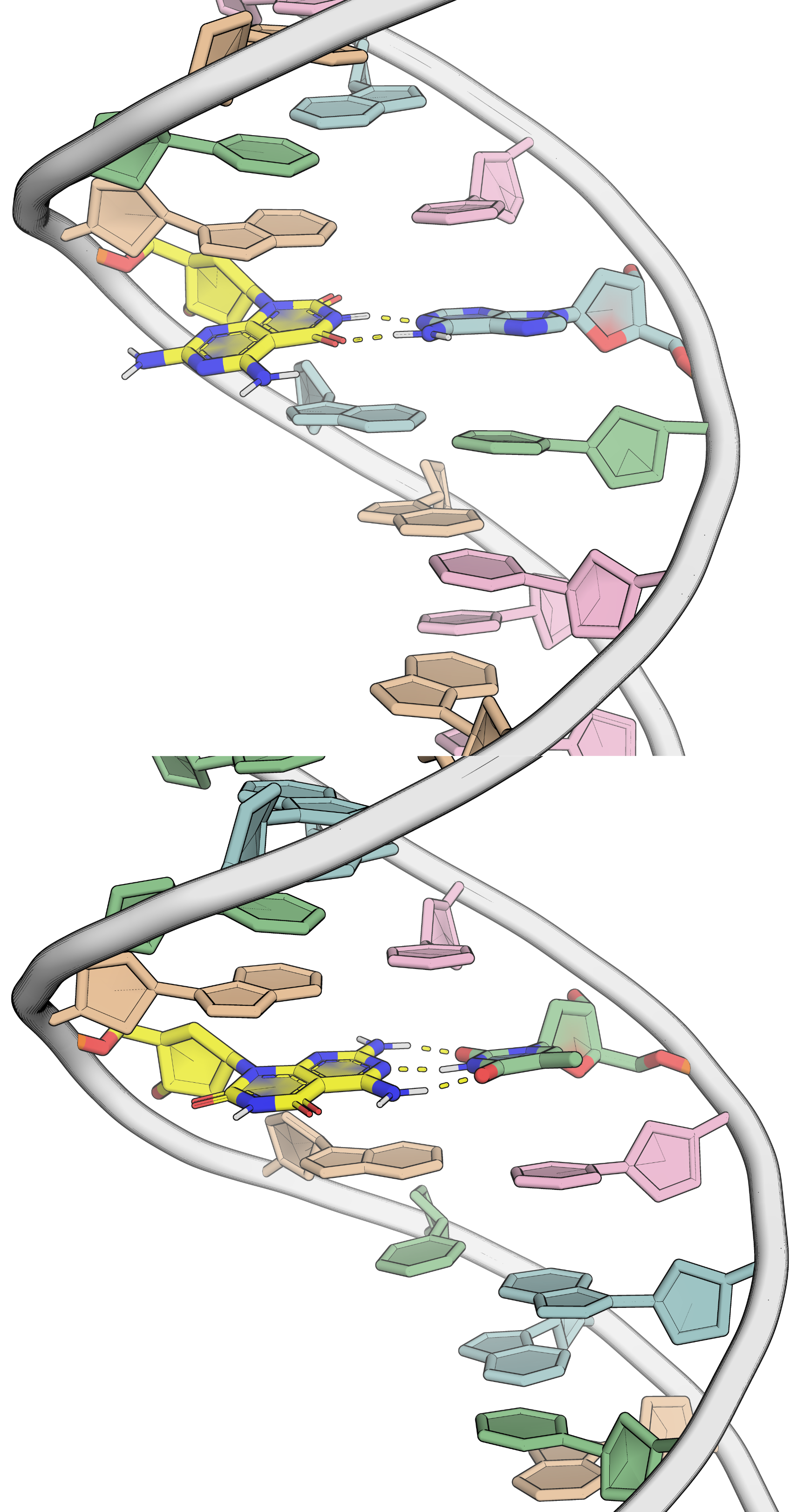
- Adequate base-pairing geometry
- No significant distortion of duplex


Postdoc at IECB

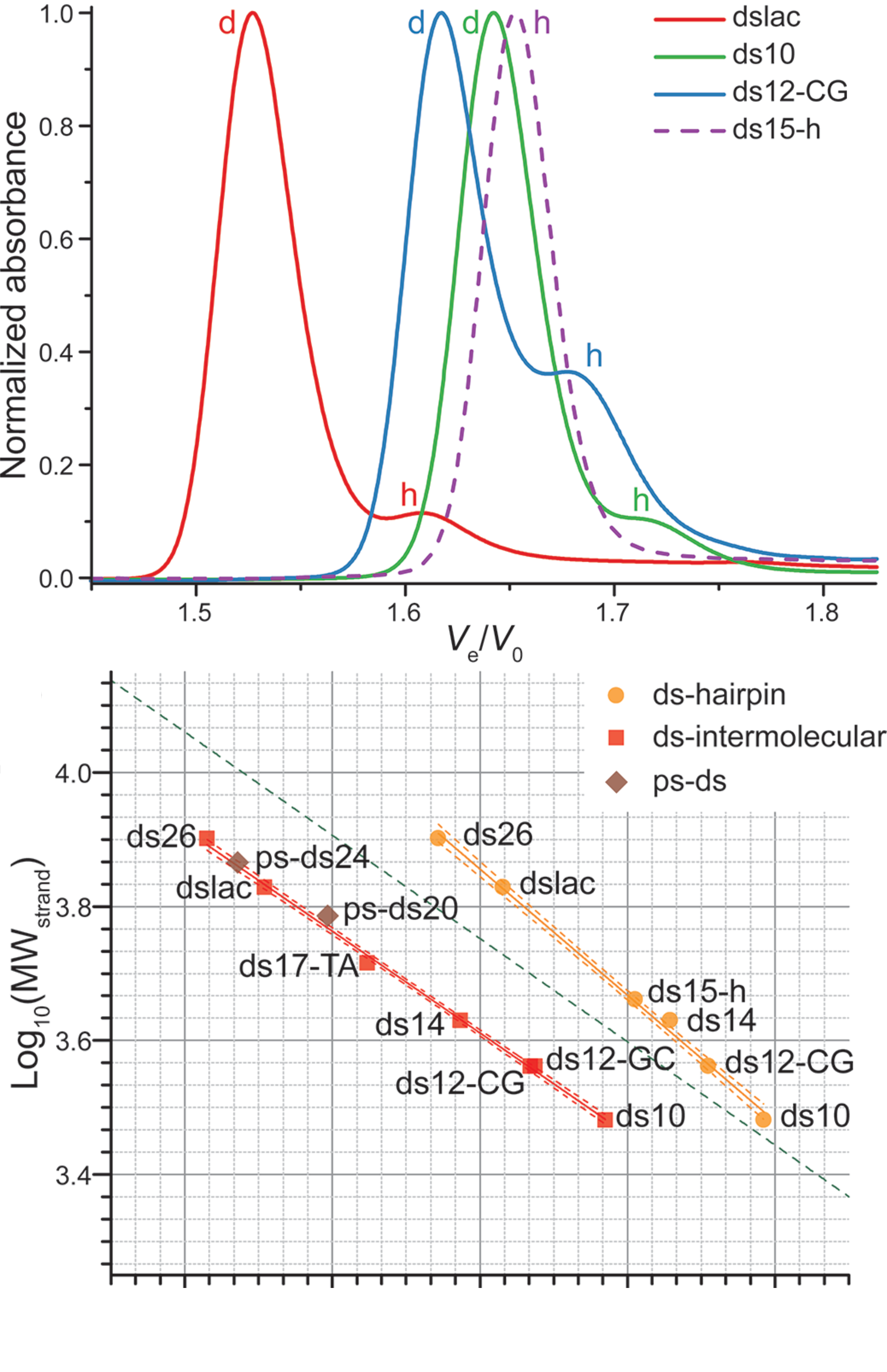
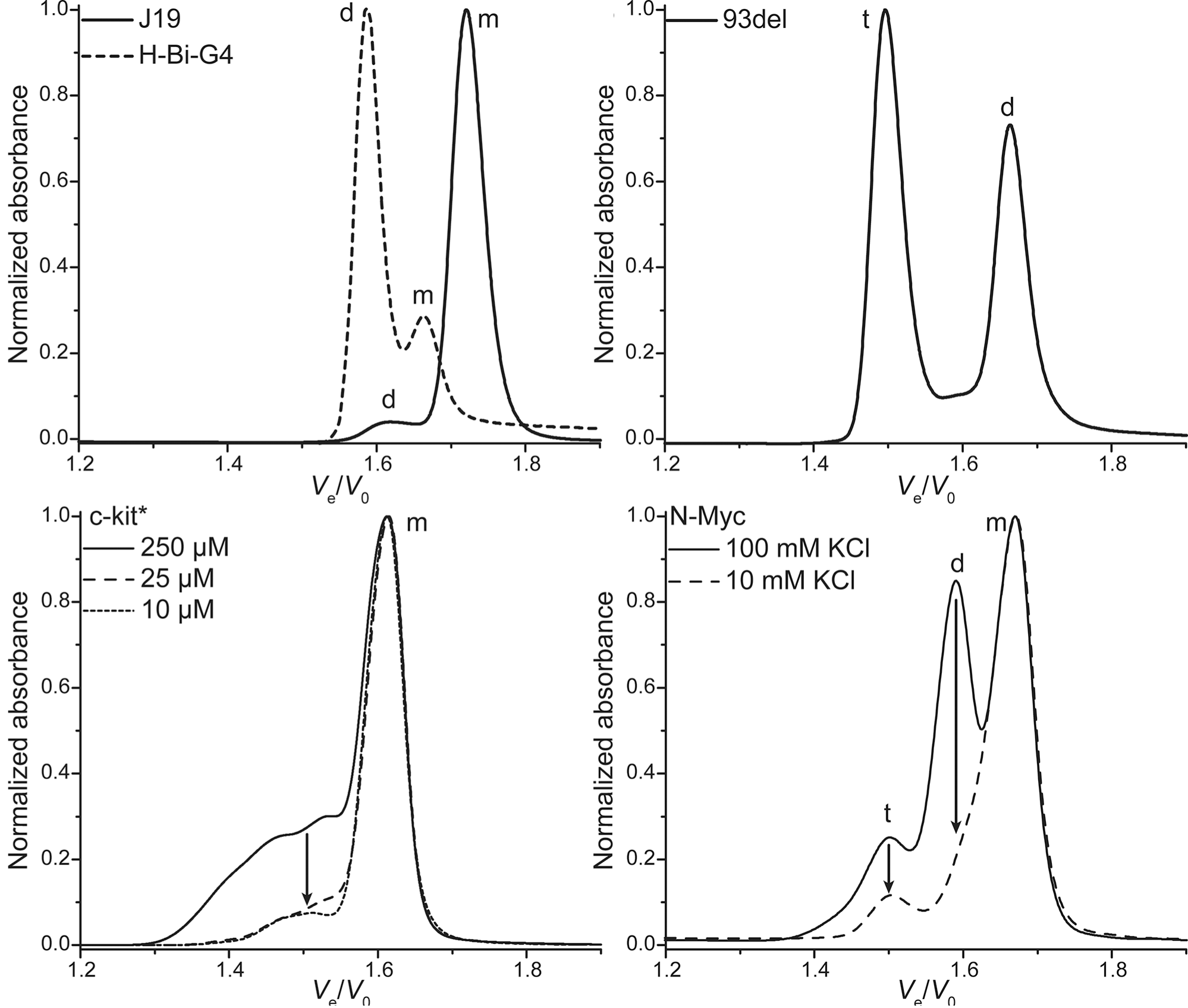
Size-exclusion HPLC to study nucleic acid polymorphism
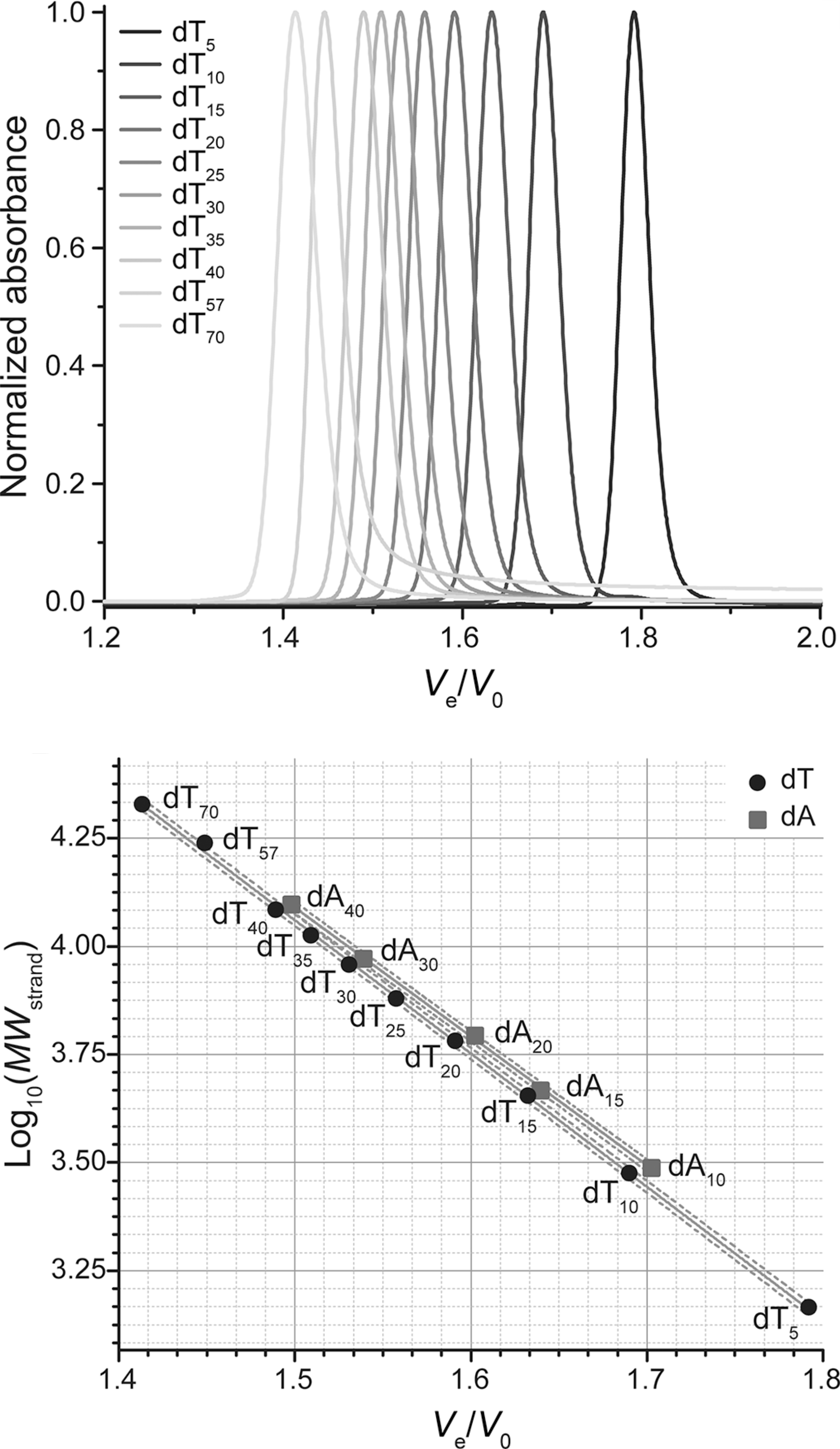
- Goal: develop amethod to assess the folding and stoichiometry of oligonucleotides
- Versatile
- DNA/RNA, secondary structures
- Buffers
- Large concentration range
- Temperature
- Fast, simple, automatable
- Quantitative
- Versatile
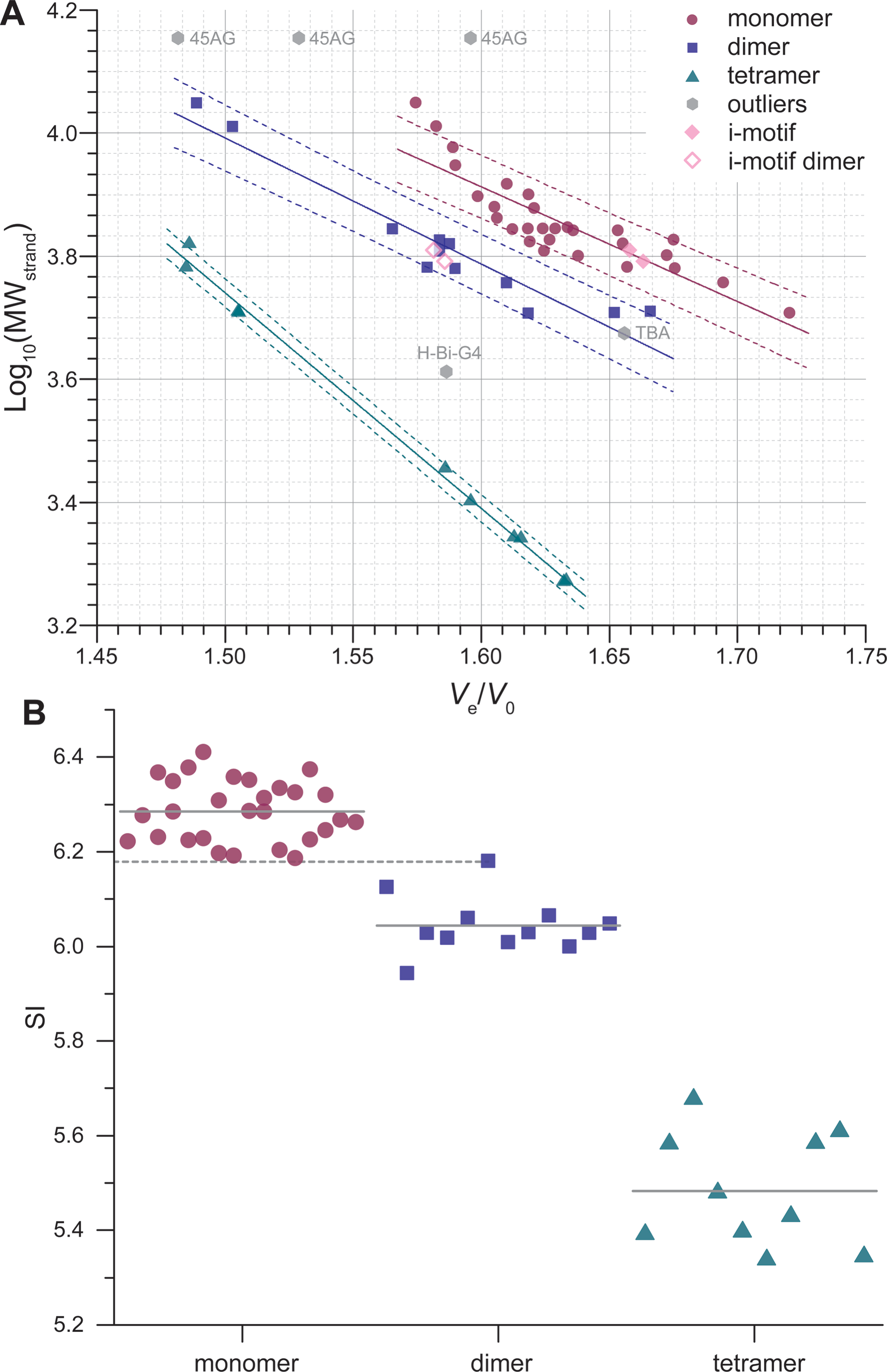
- Excellent linearity
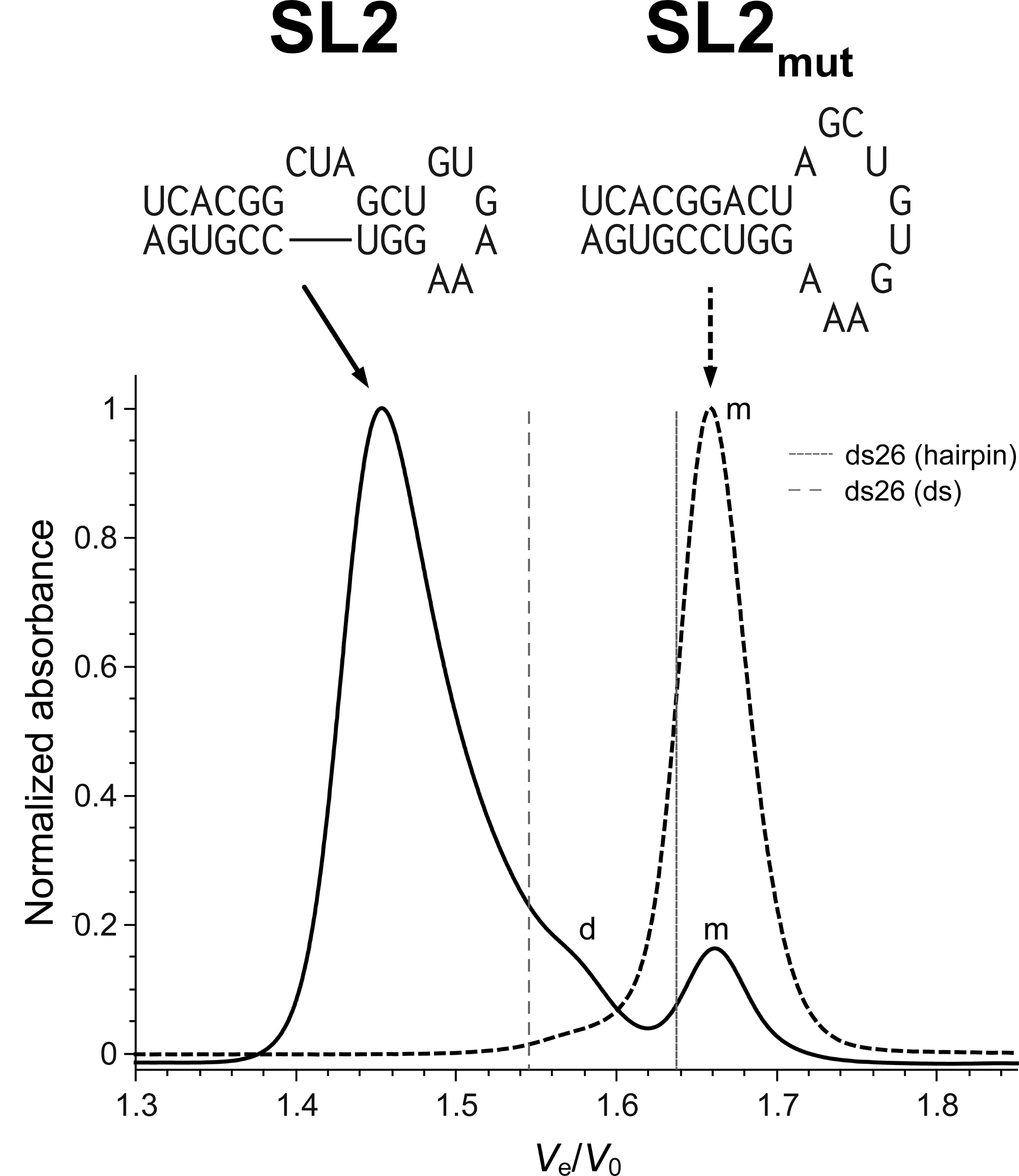
- Application on real-life RNA hairpins
- Here at 10°C (favors dimers)
- G4s display larger hydrodynamic radii distributions
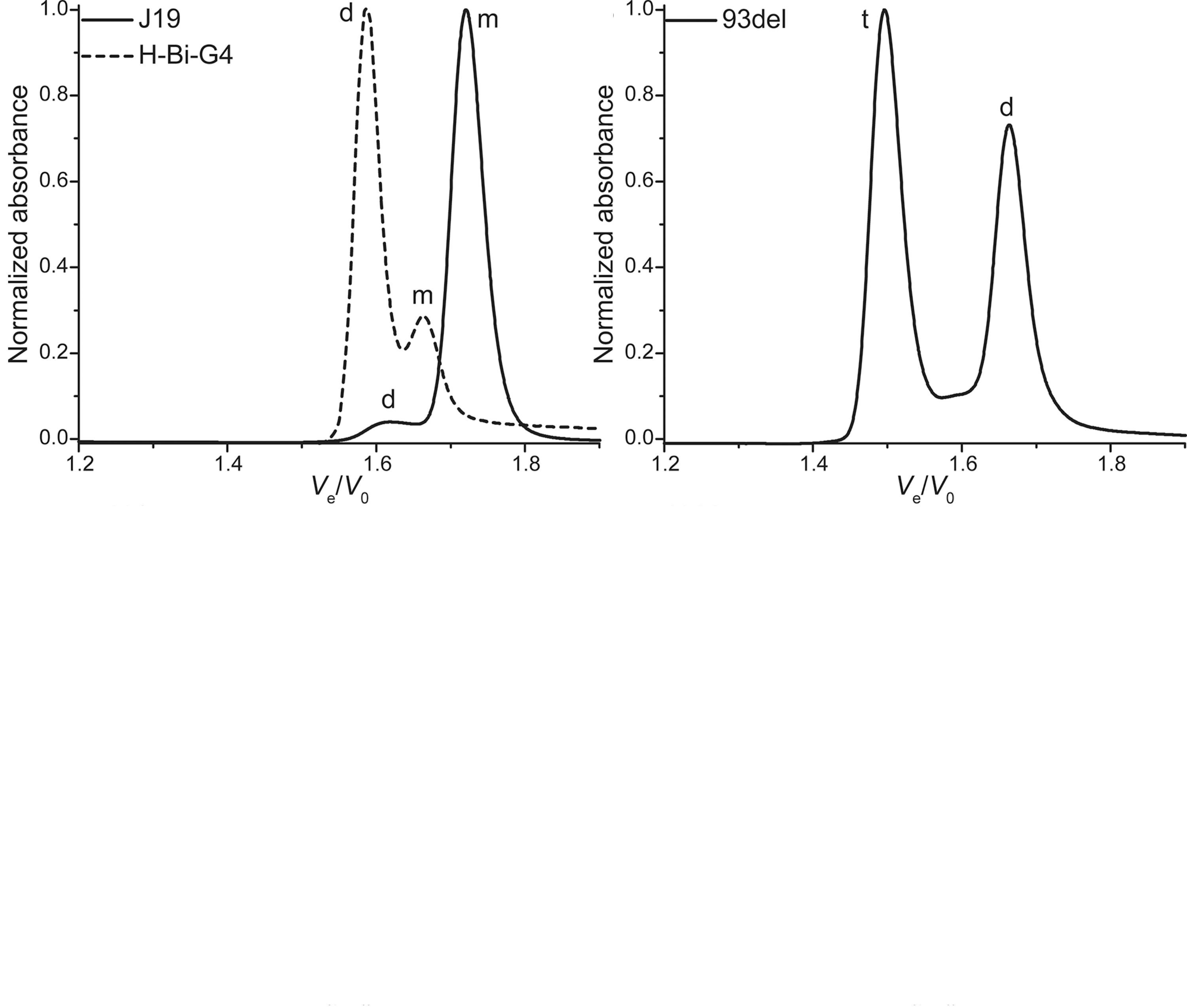
- Robust stoichiometry assessment
- Real-life G4s can be messy

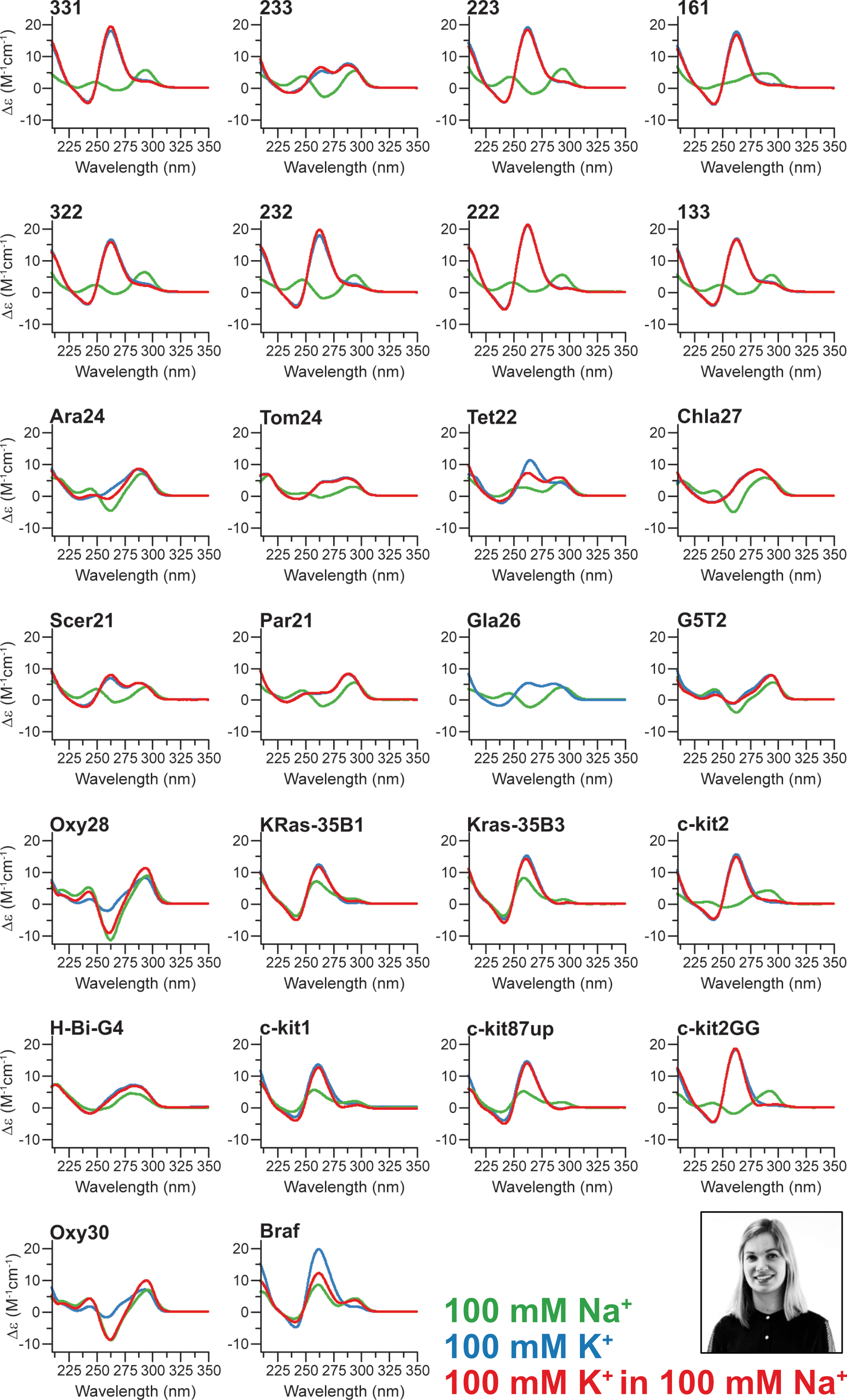
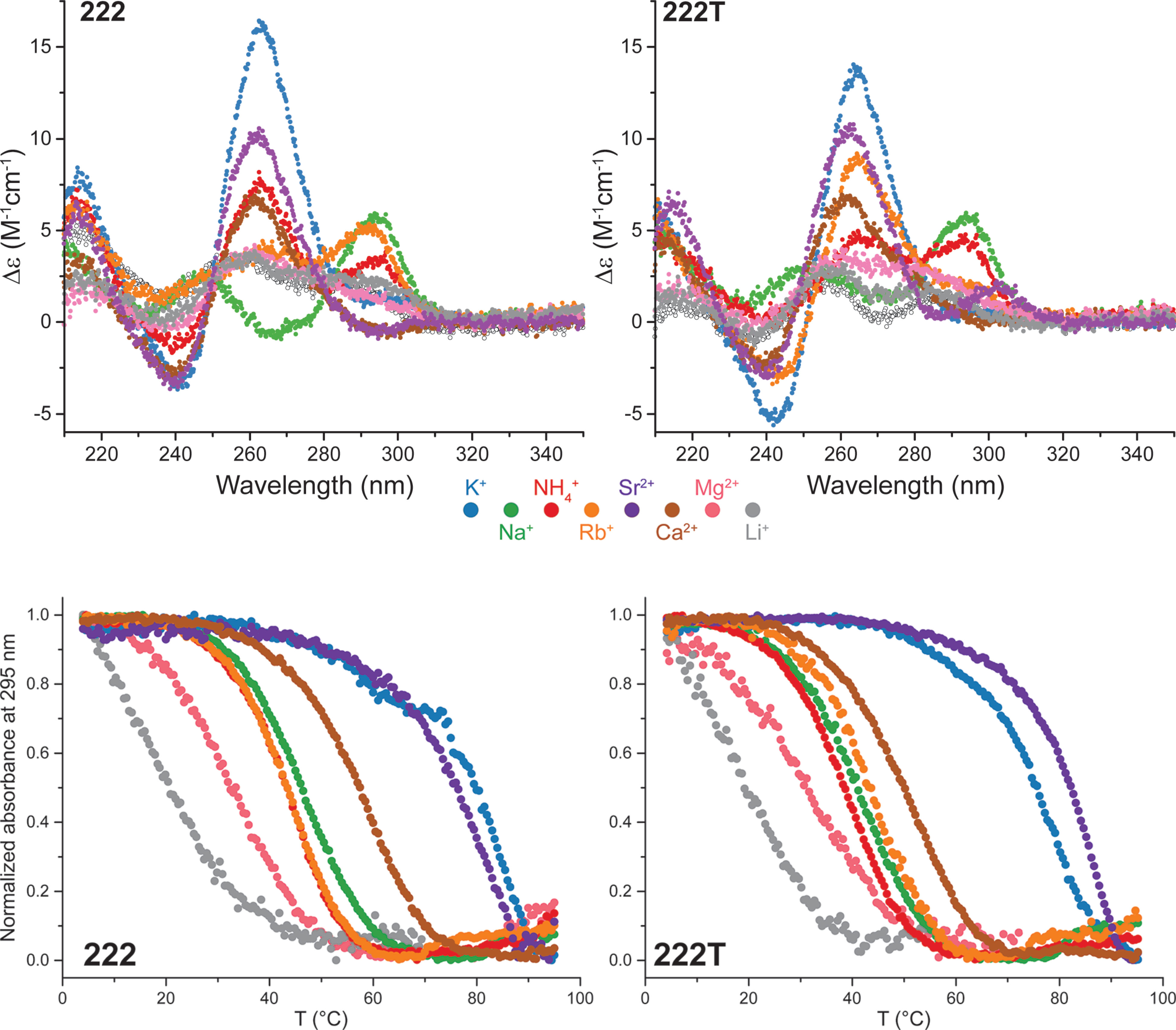
Influence of cations on G4 folding
- Cation-dependent G4 switches?
- Simple sequences!
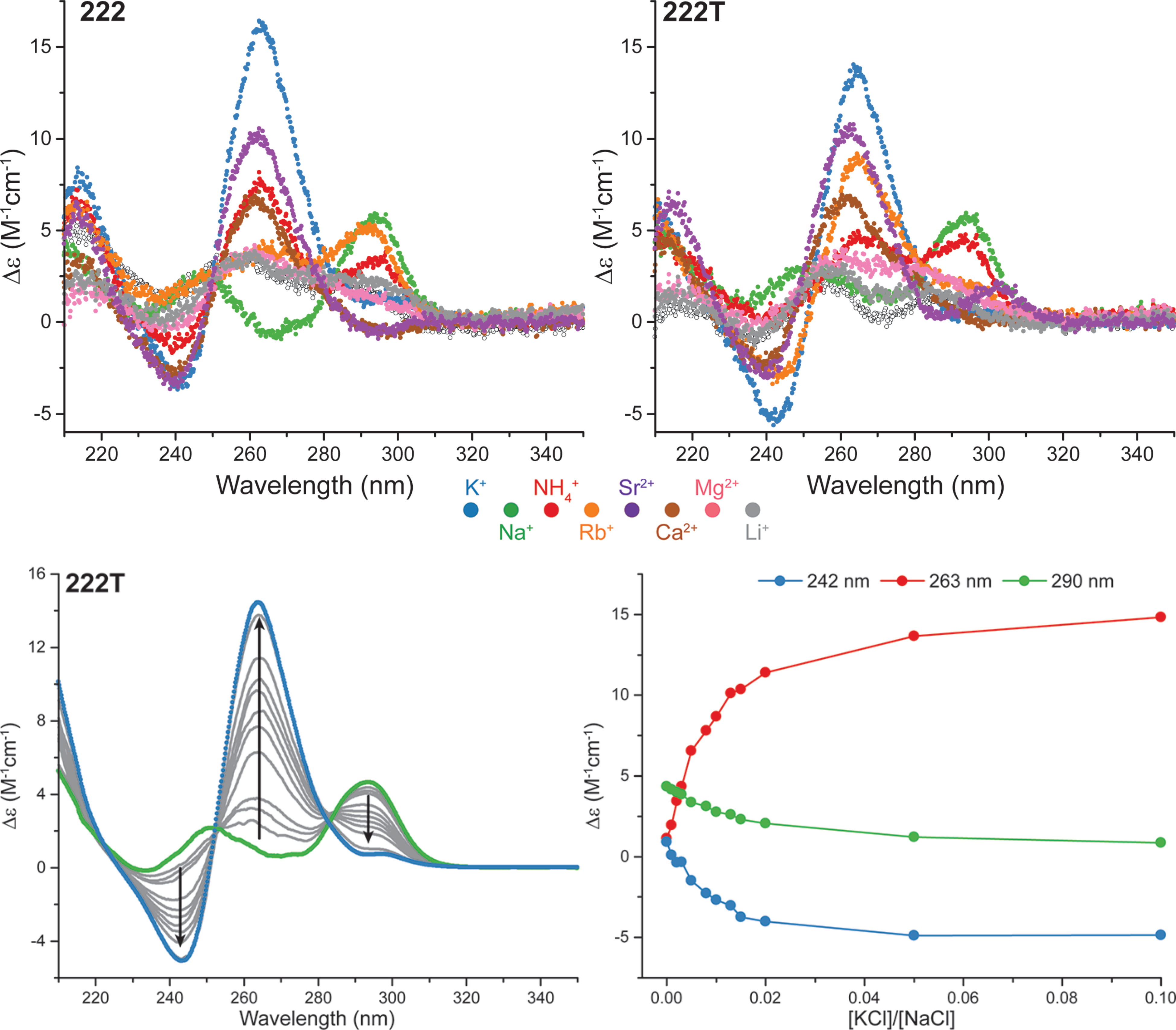
- 222T: TGGGTTGGGTTGGGTTGGGT
- Terminal T to prevent end-stacking
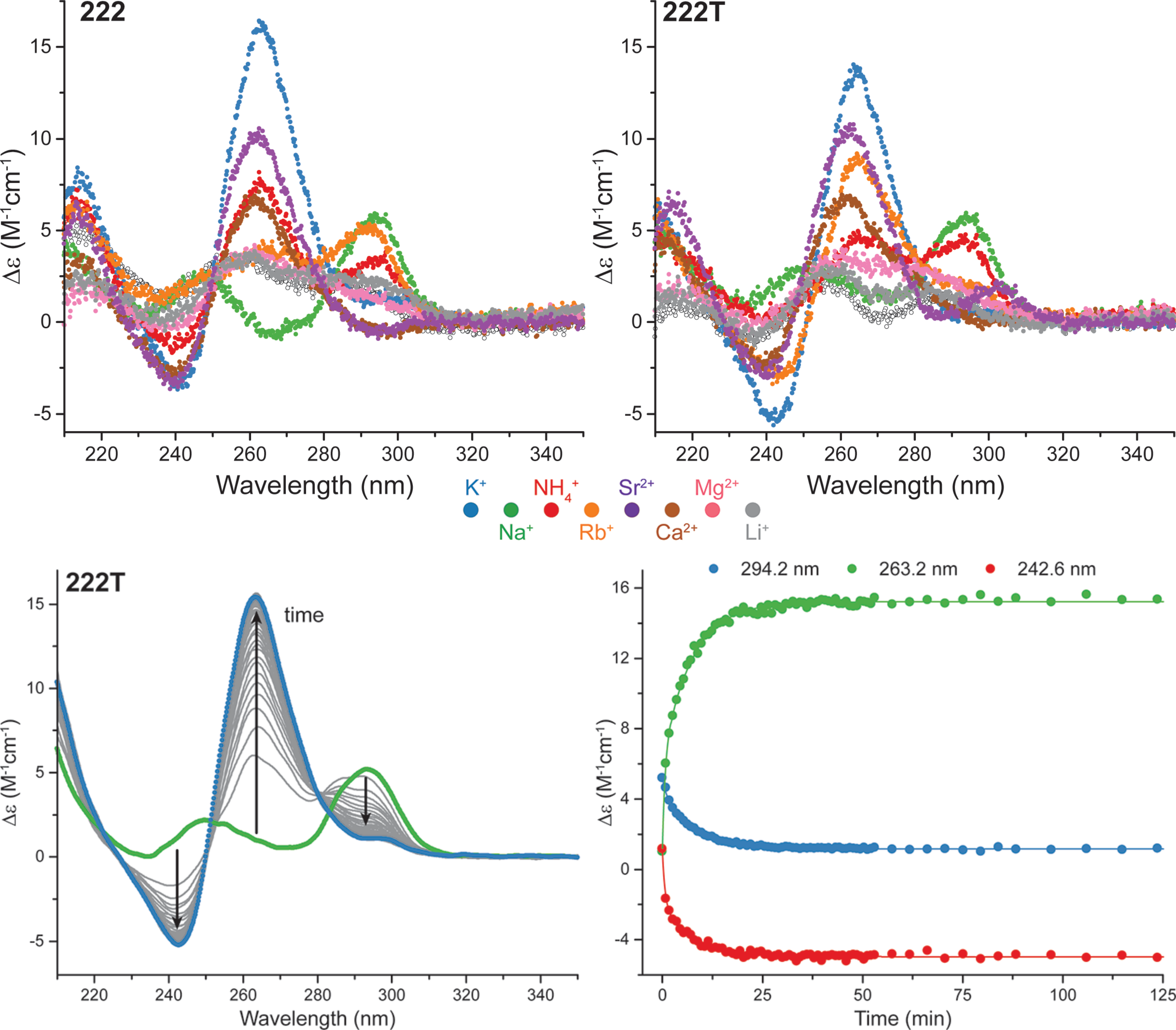
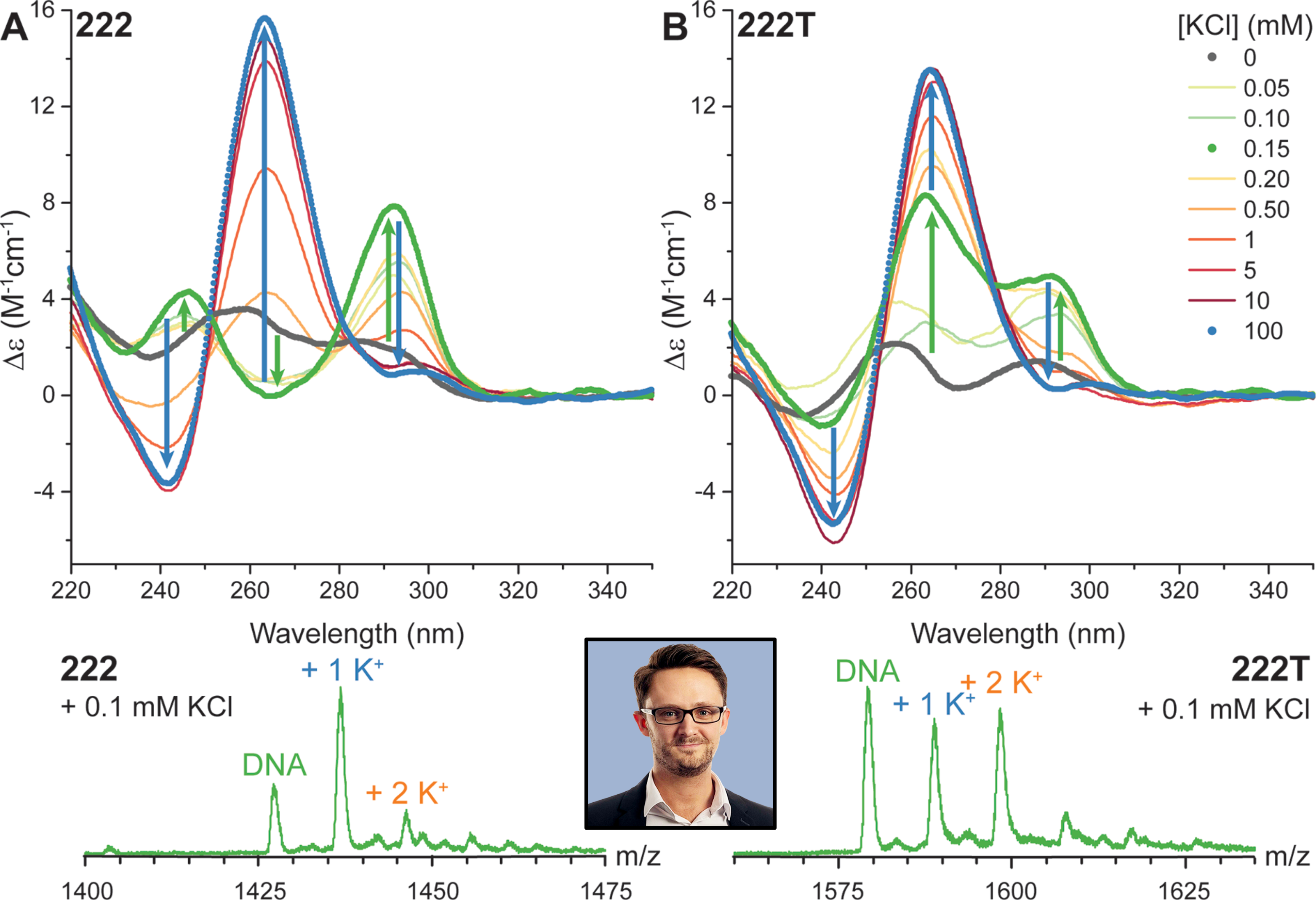
- Antiparallel-to-parallel switch at low [KCl]
- Extensive characterization
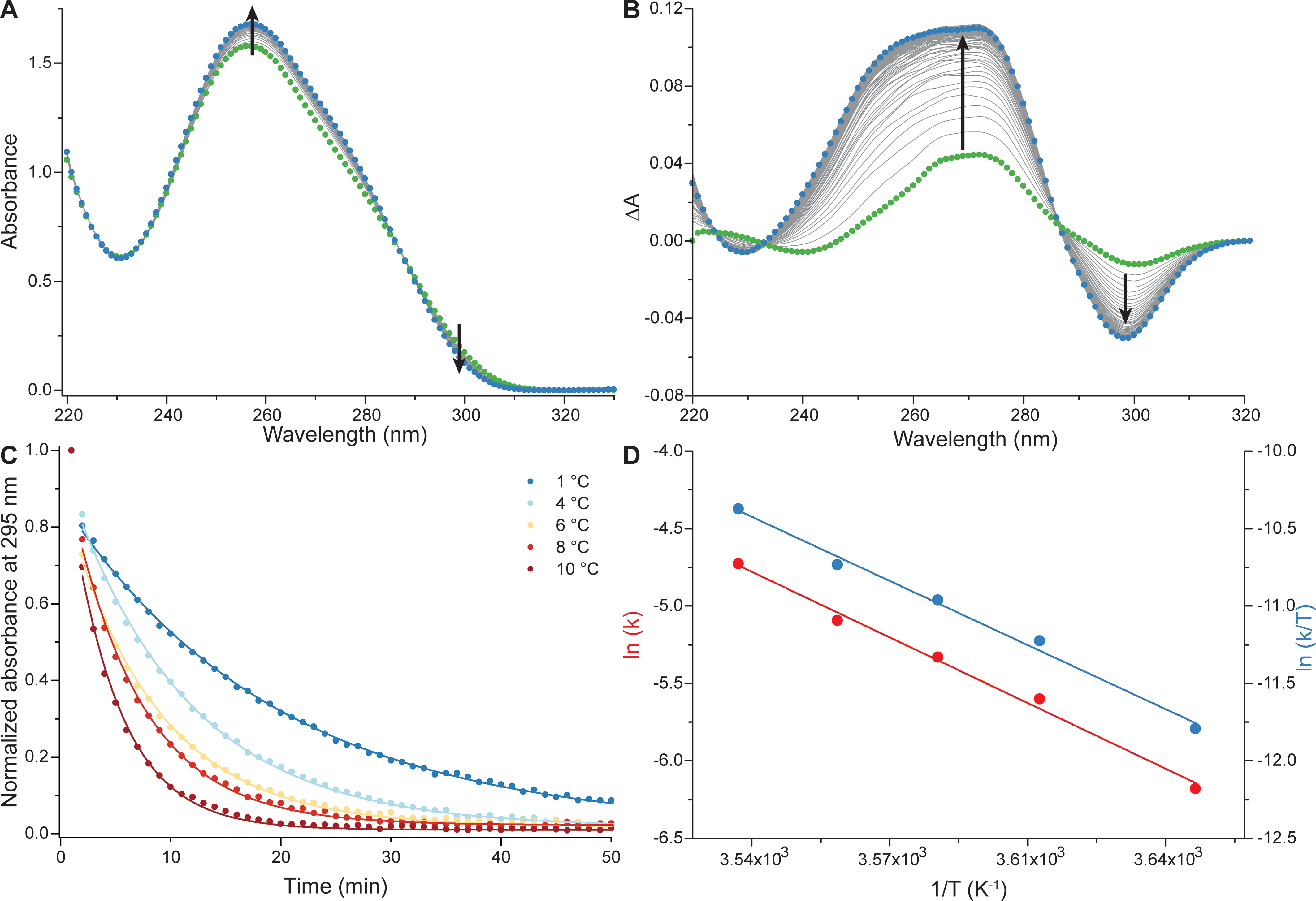
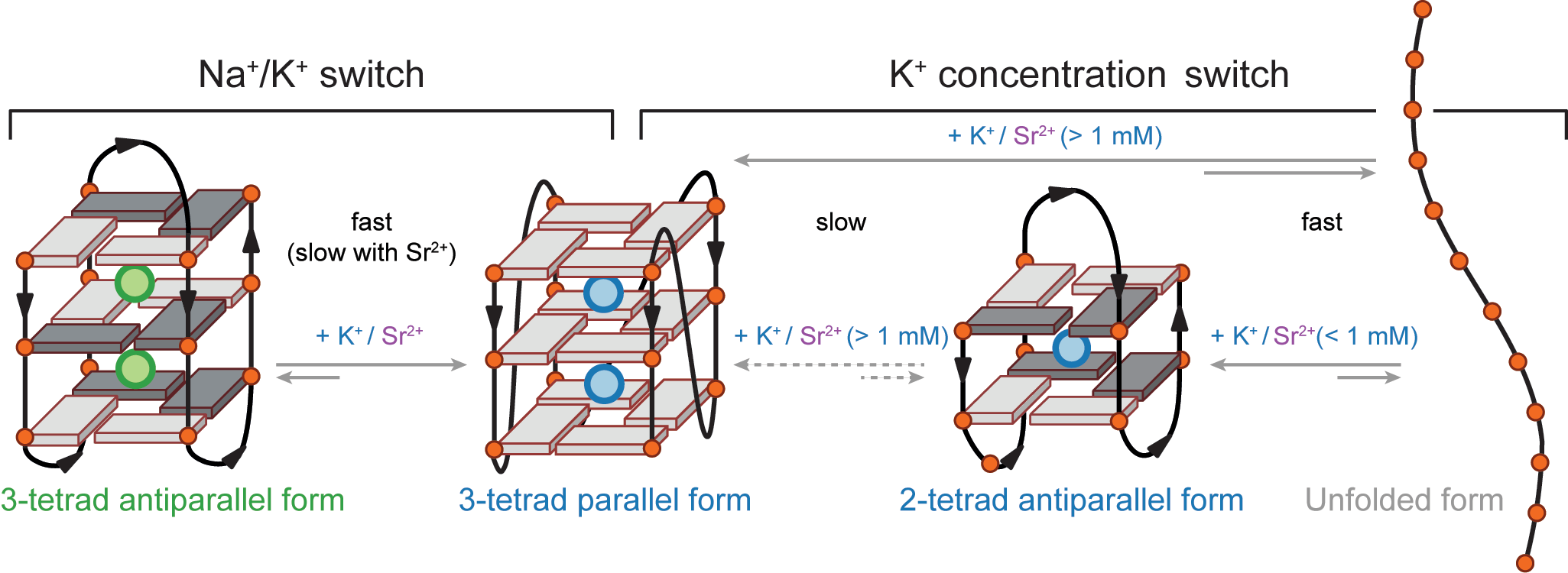
- Fast (second-scale at 20°C)
- Large \(\Delta T_{m}\) between K+ and Na+
- \(E_{a}\) of interconversion by UV-vis!
- Conformer revealed at low KCl
- Antiparallel
- 2-tetrad
- Double switch!



Research Scientist at Quality Assistance

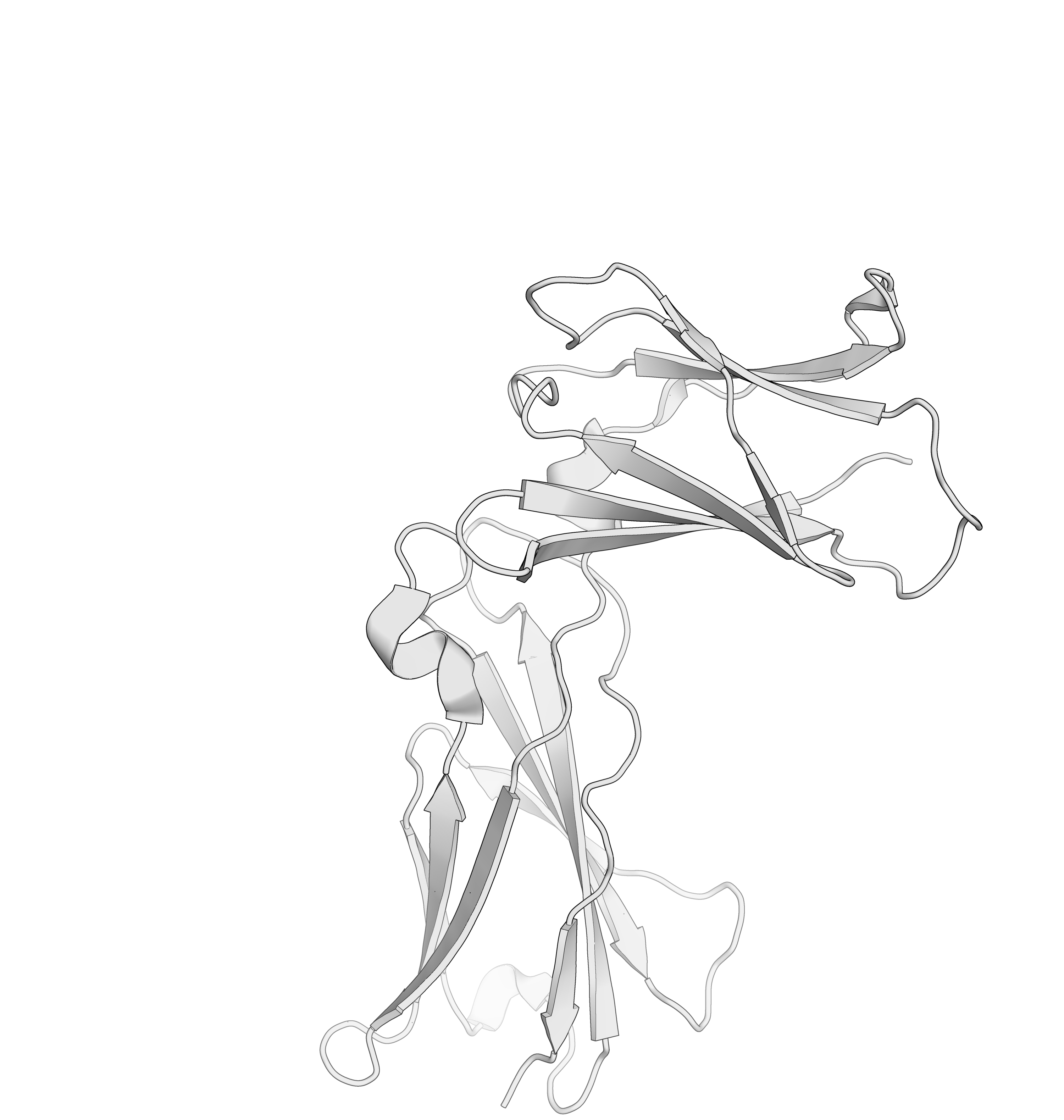
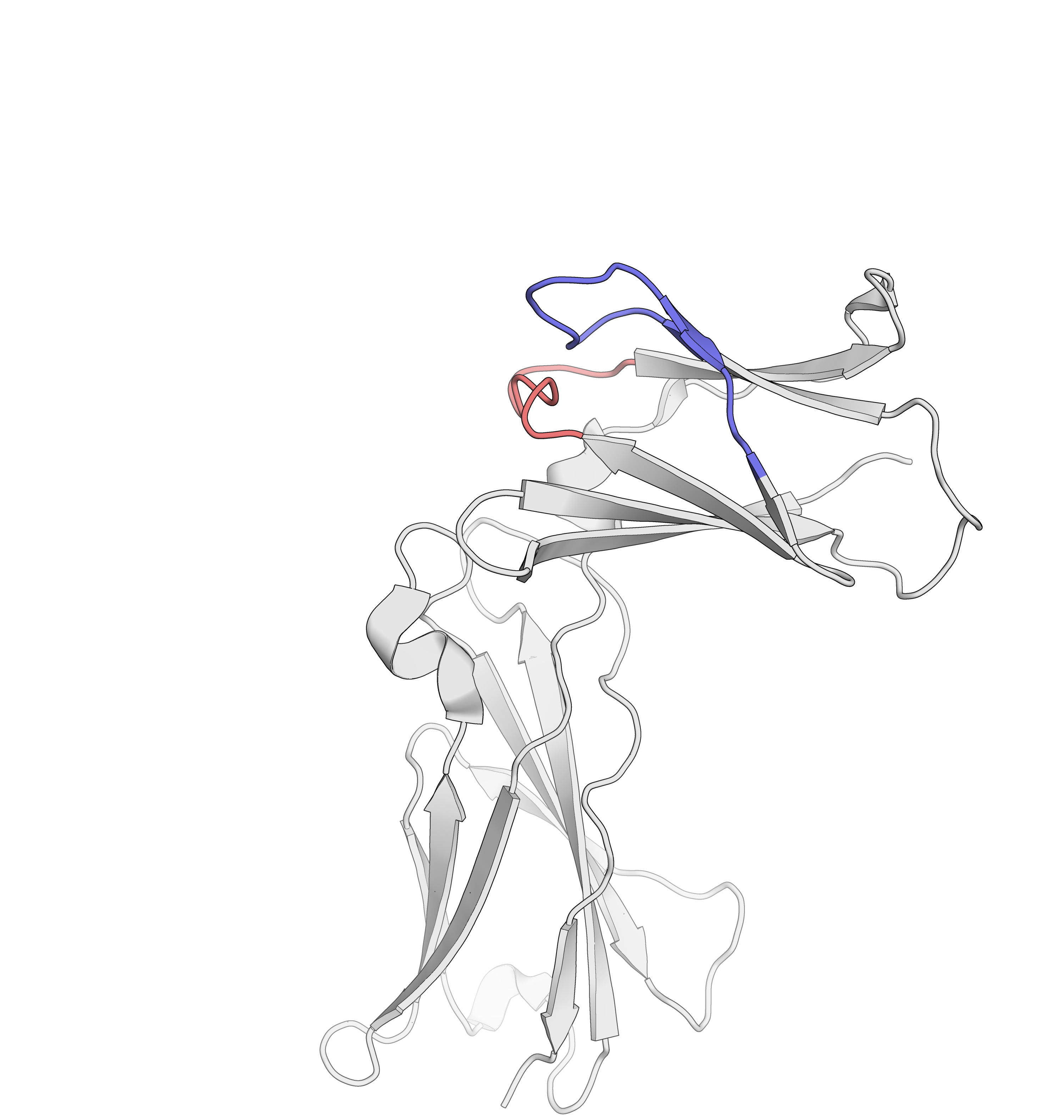
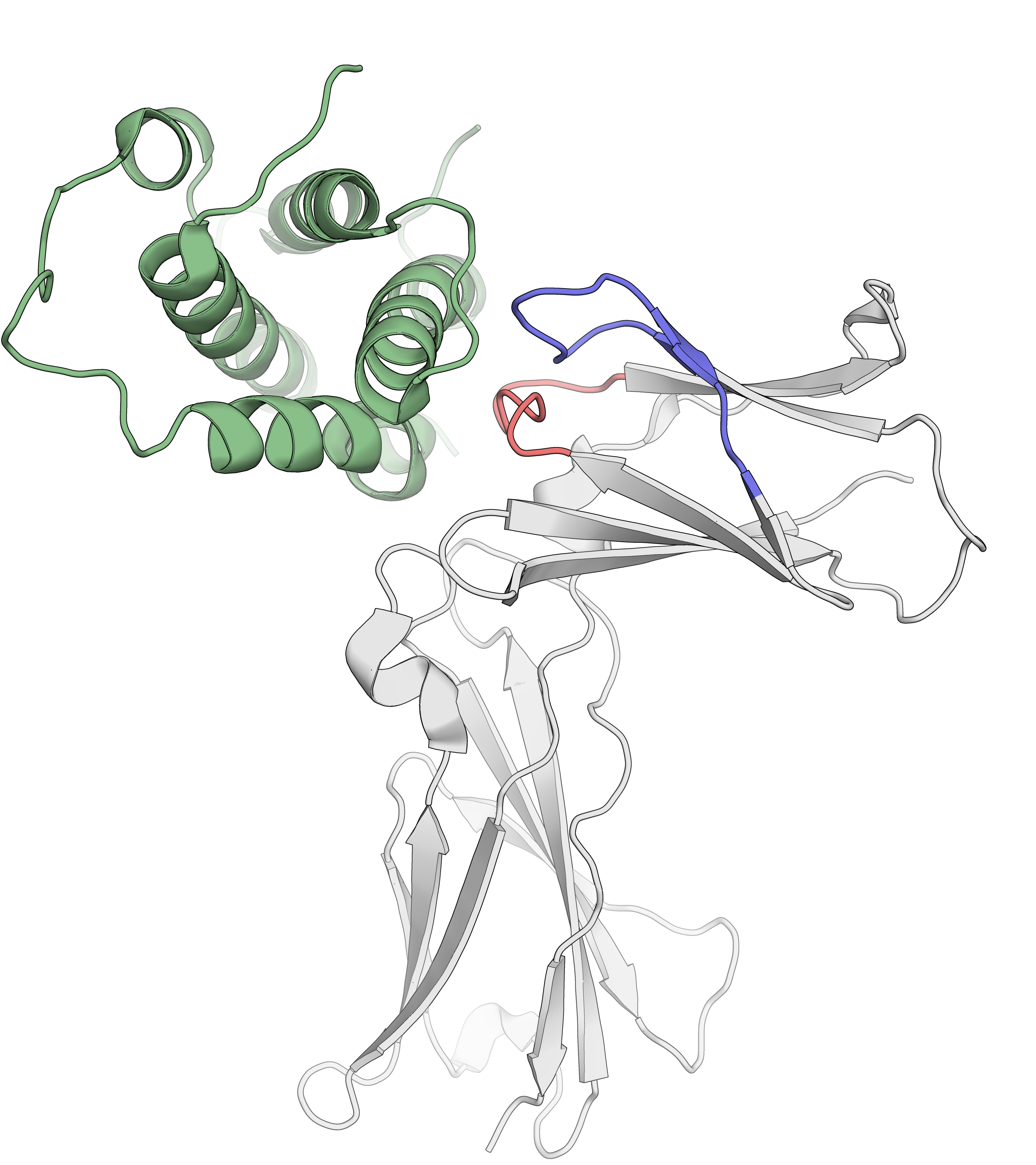
A quick introduction to HDX/MS
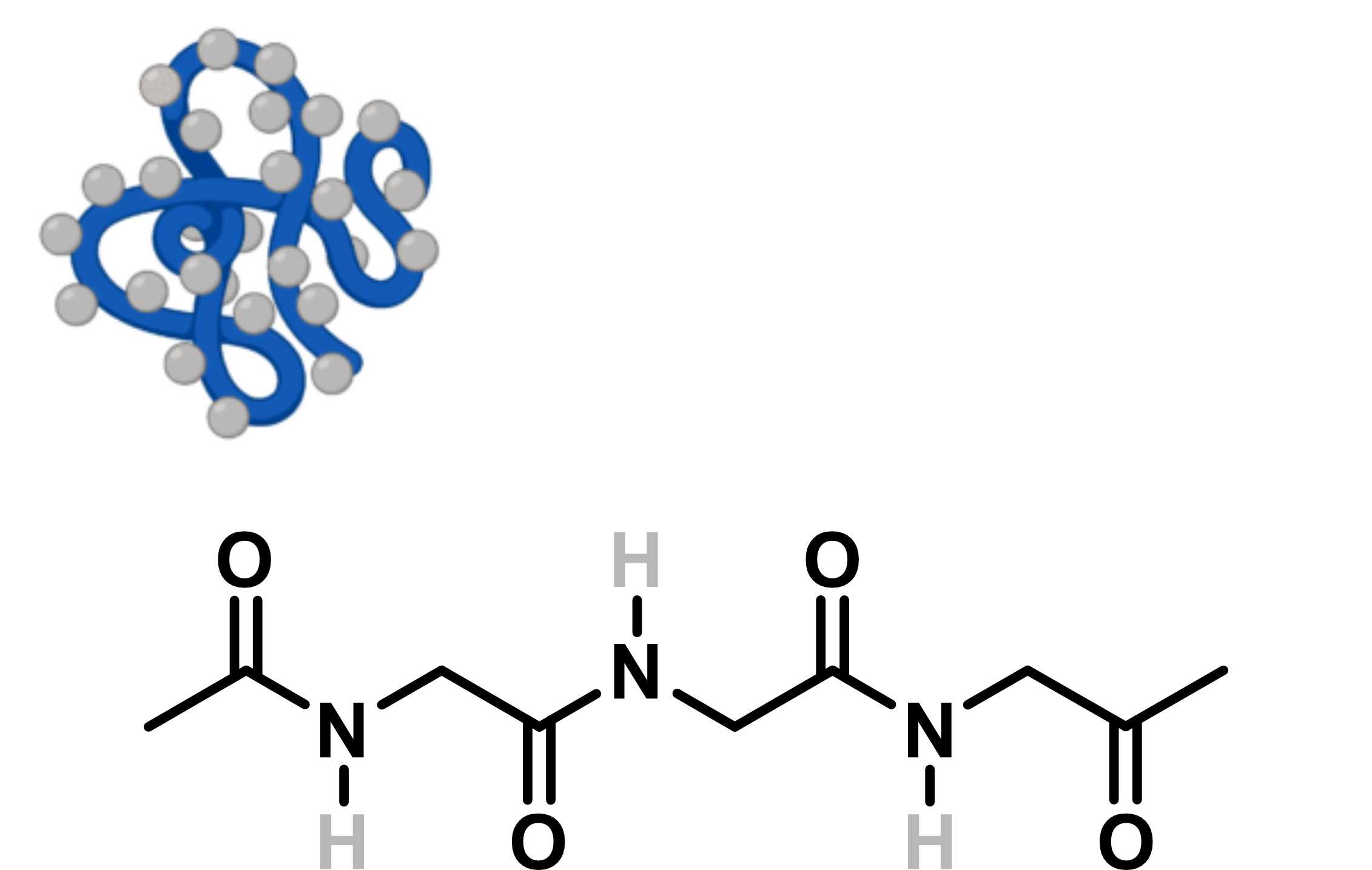
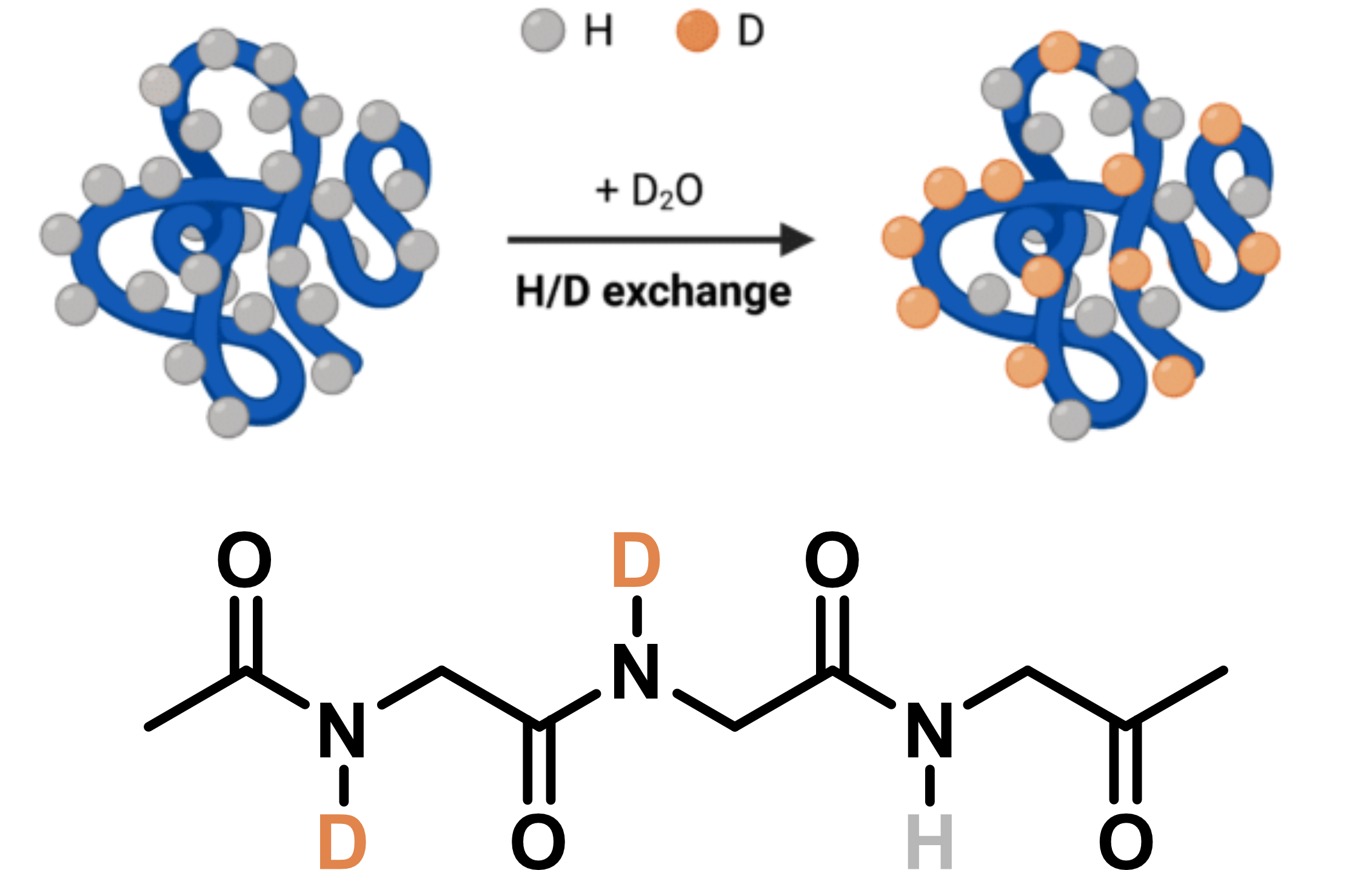
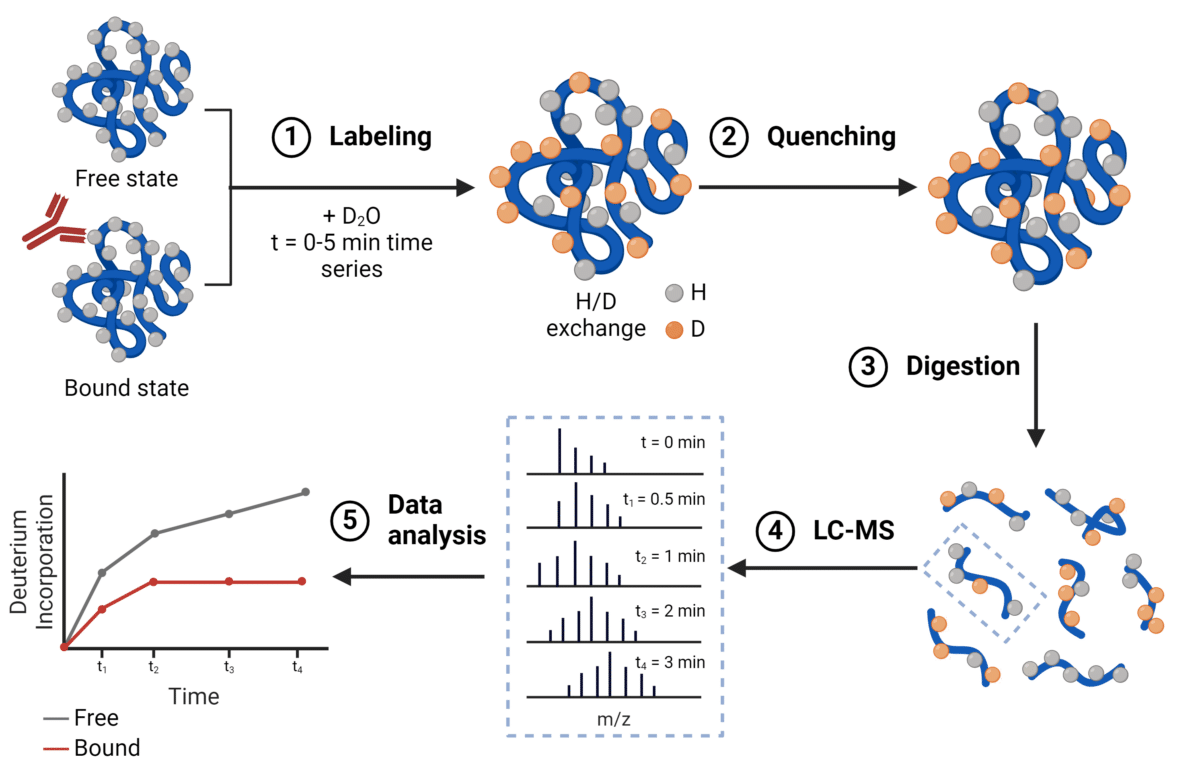

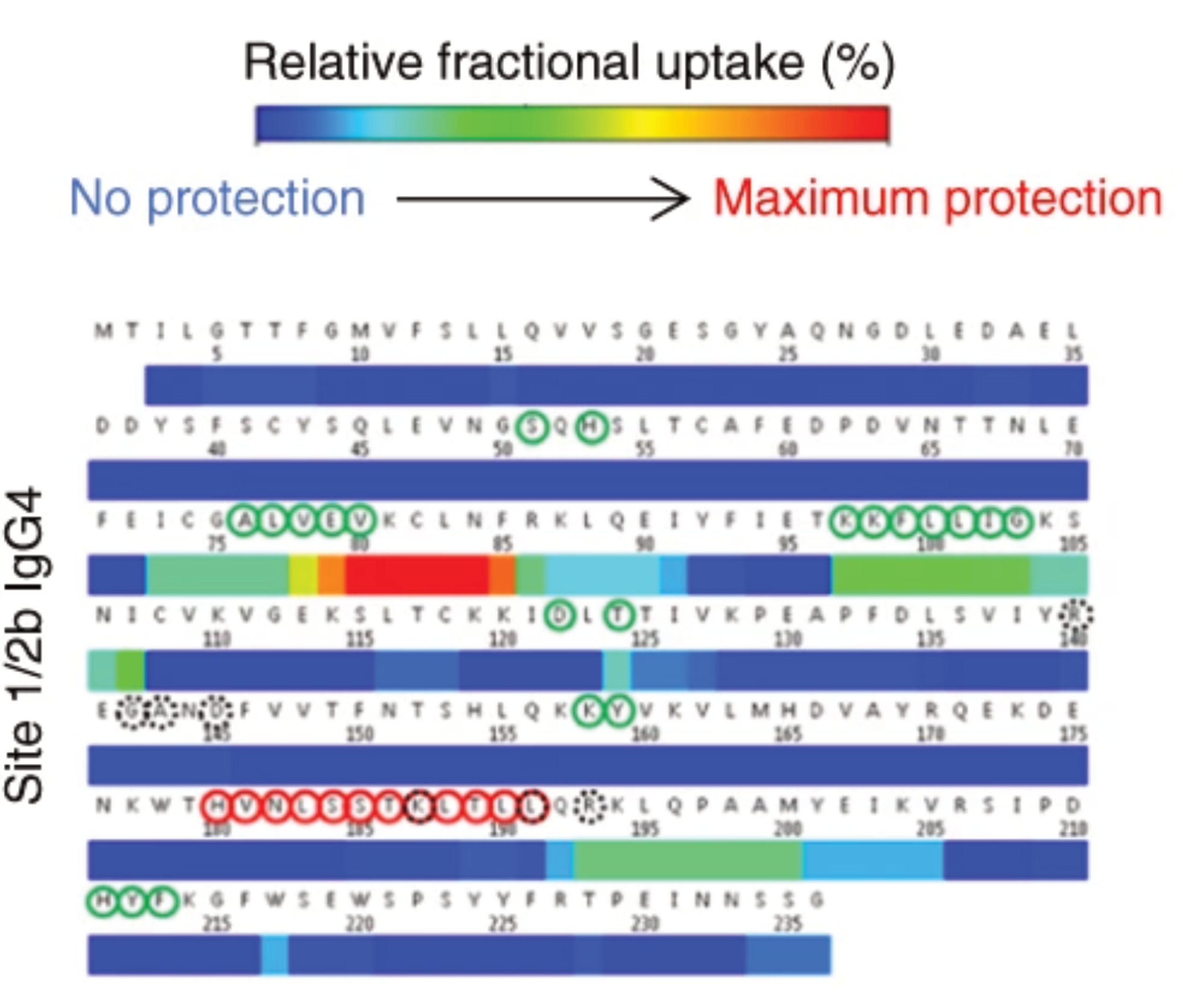
Epitope mapping of mAbs

MCU at the University of Bordeaux

DNA is amenable to HDX/MS
- H/D exchange ideal for structure probing
- Full sequence coverage
- Directly involved in folding
- Minimal primary/secondary structure change
- Rate of HDX should be structure dependent
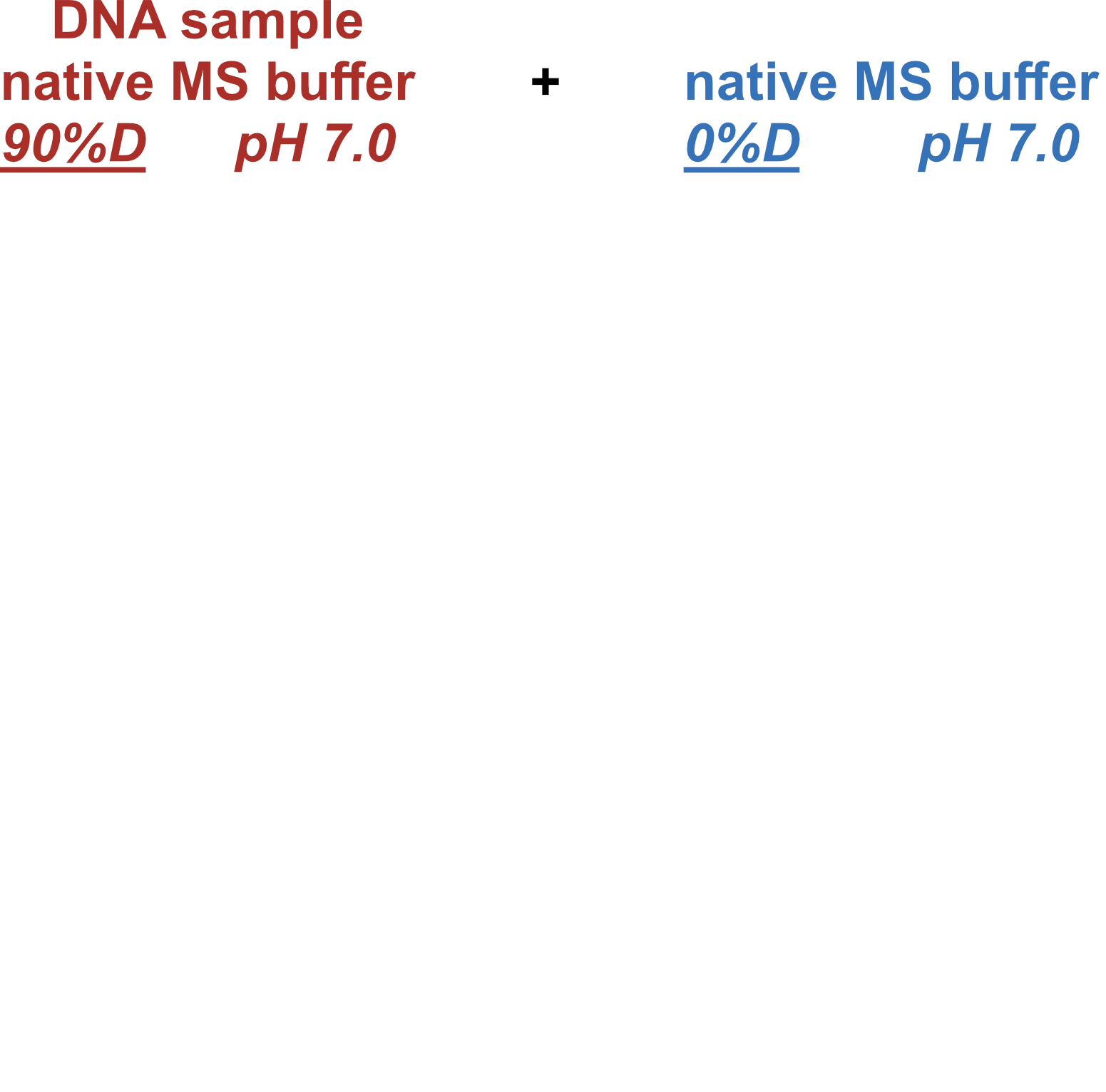
- Native MS measurements


Coupling in-solution HDX to native MS
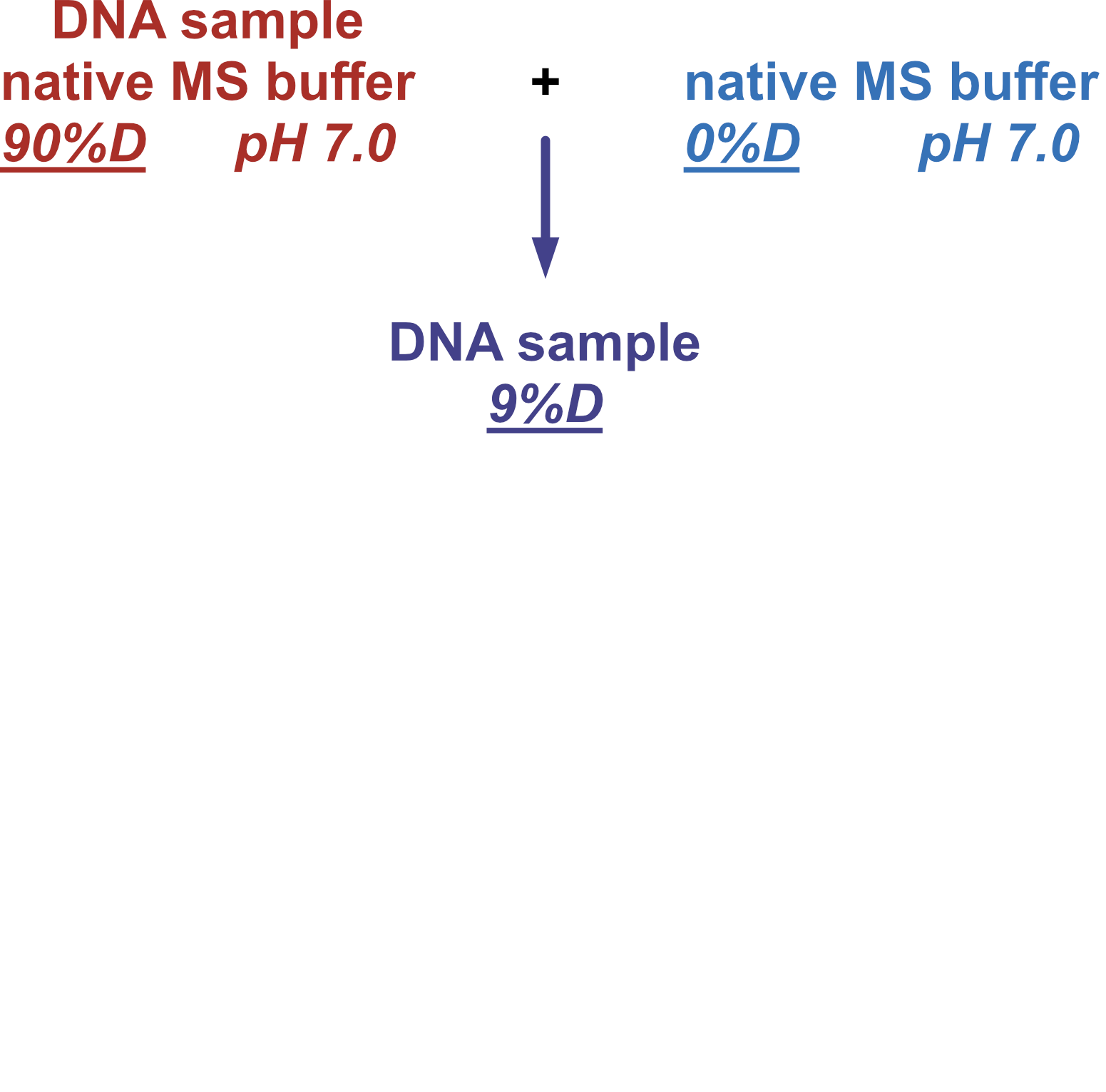
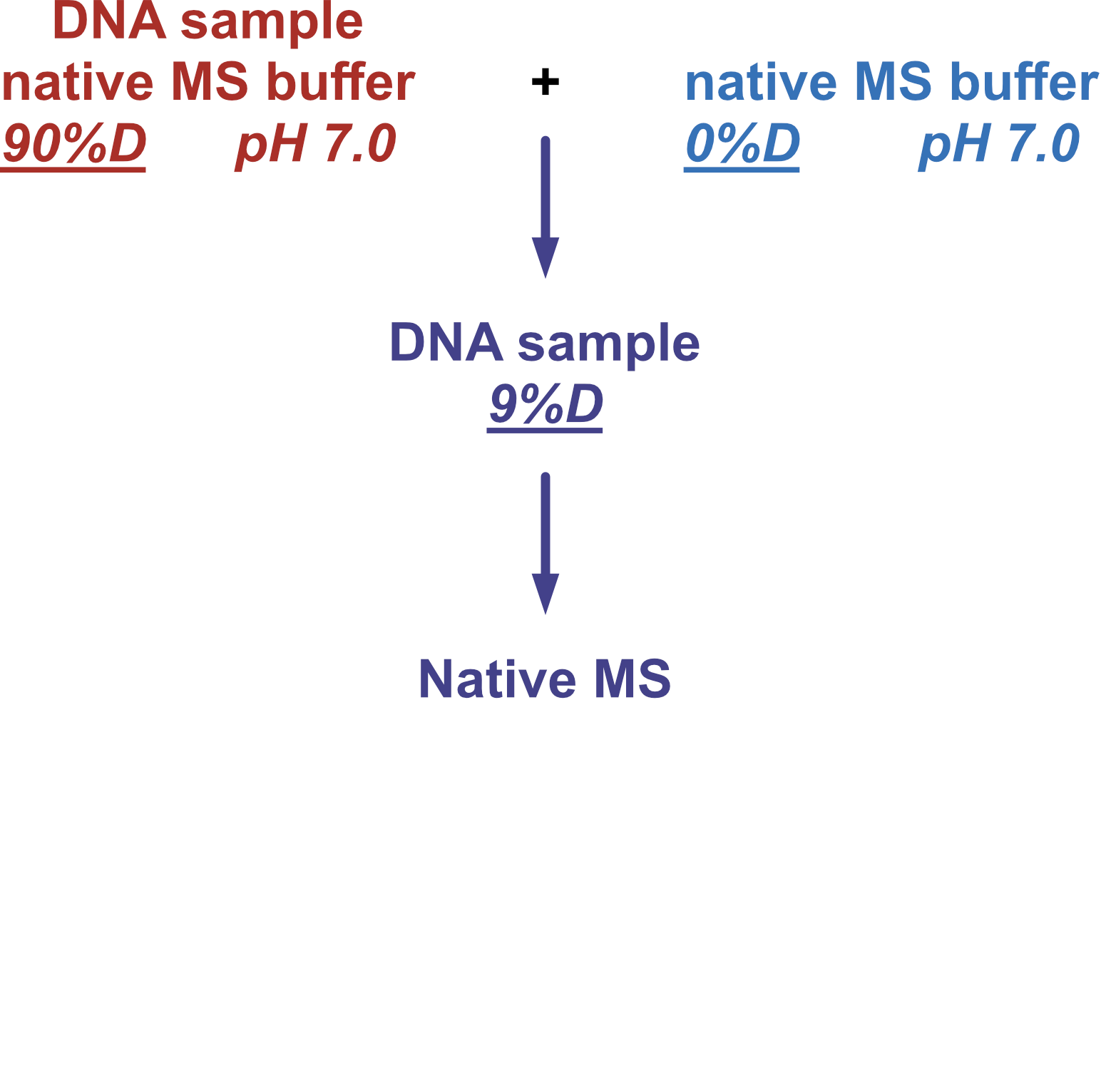
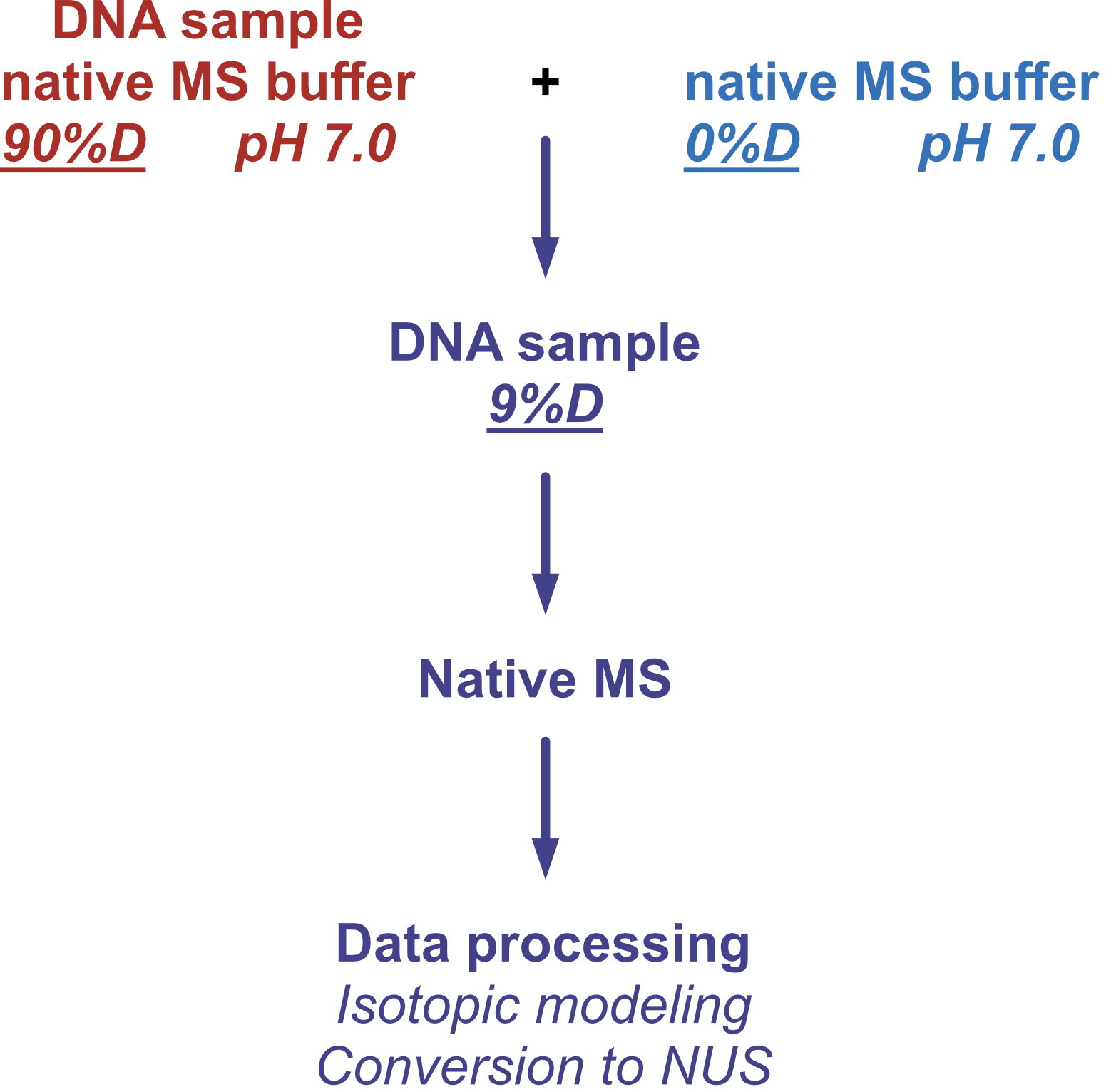


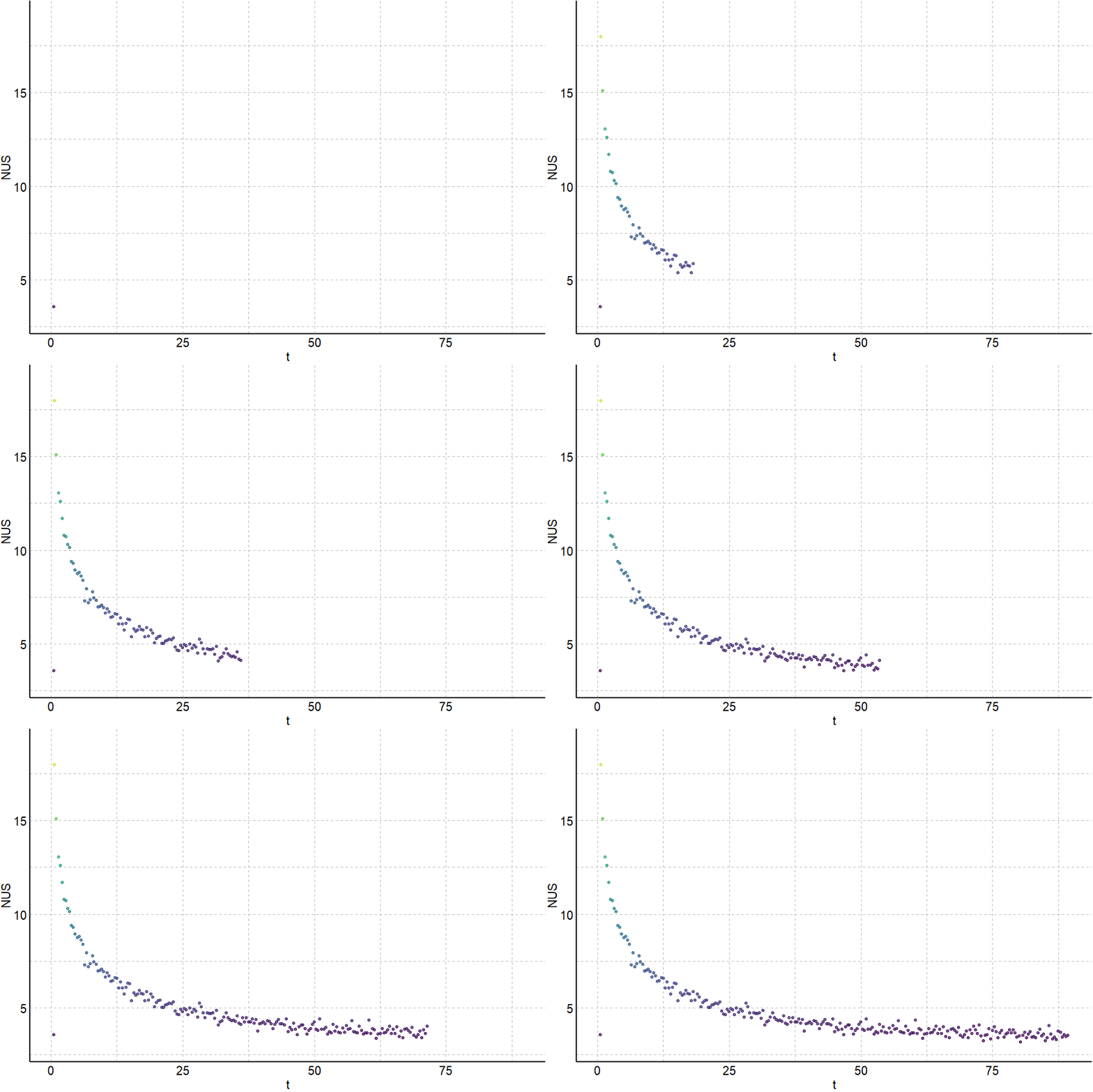
Exchange rates are sensitive to folding


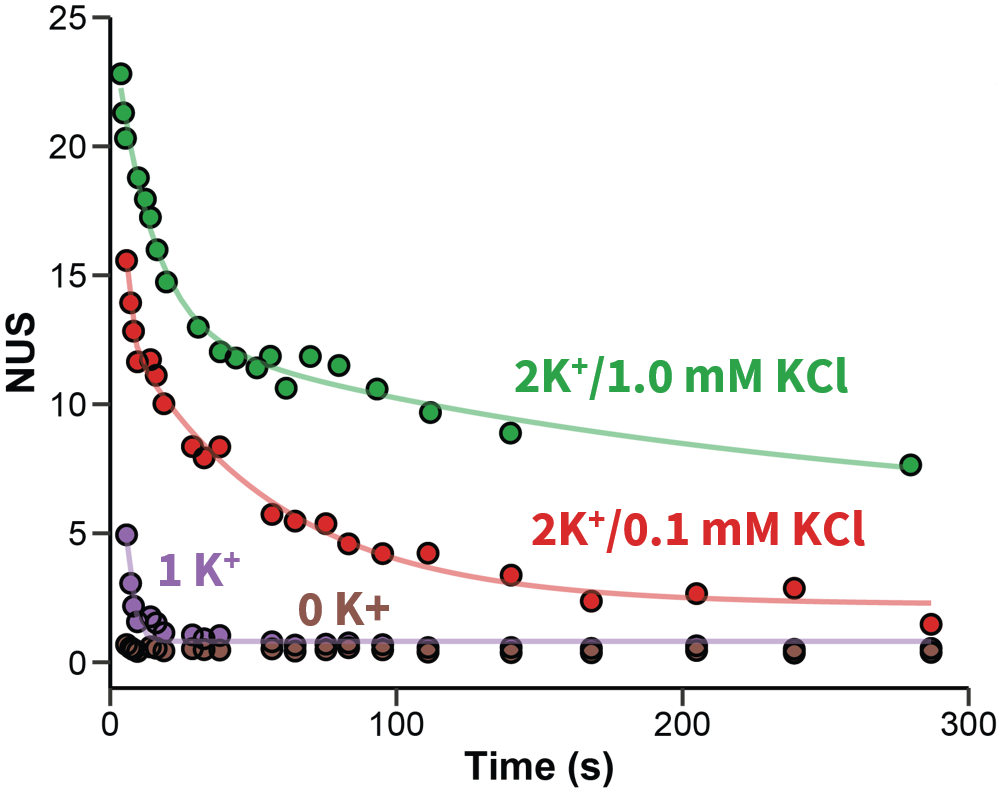
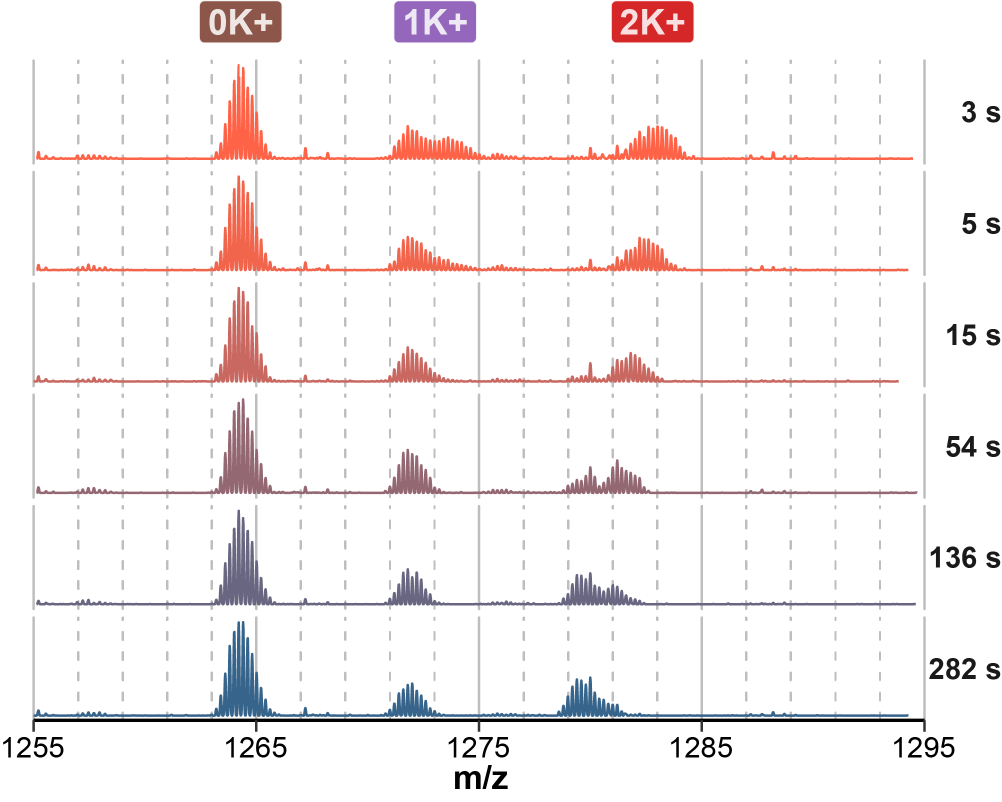
The number of protected sites scales with the number of tetrads

The number of protected sites scales with the number of tetrads

The number of protected sites scales with the number of tetrads

Exchange protection scales with stability
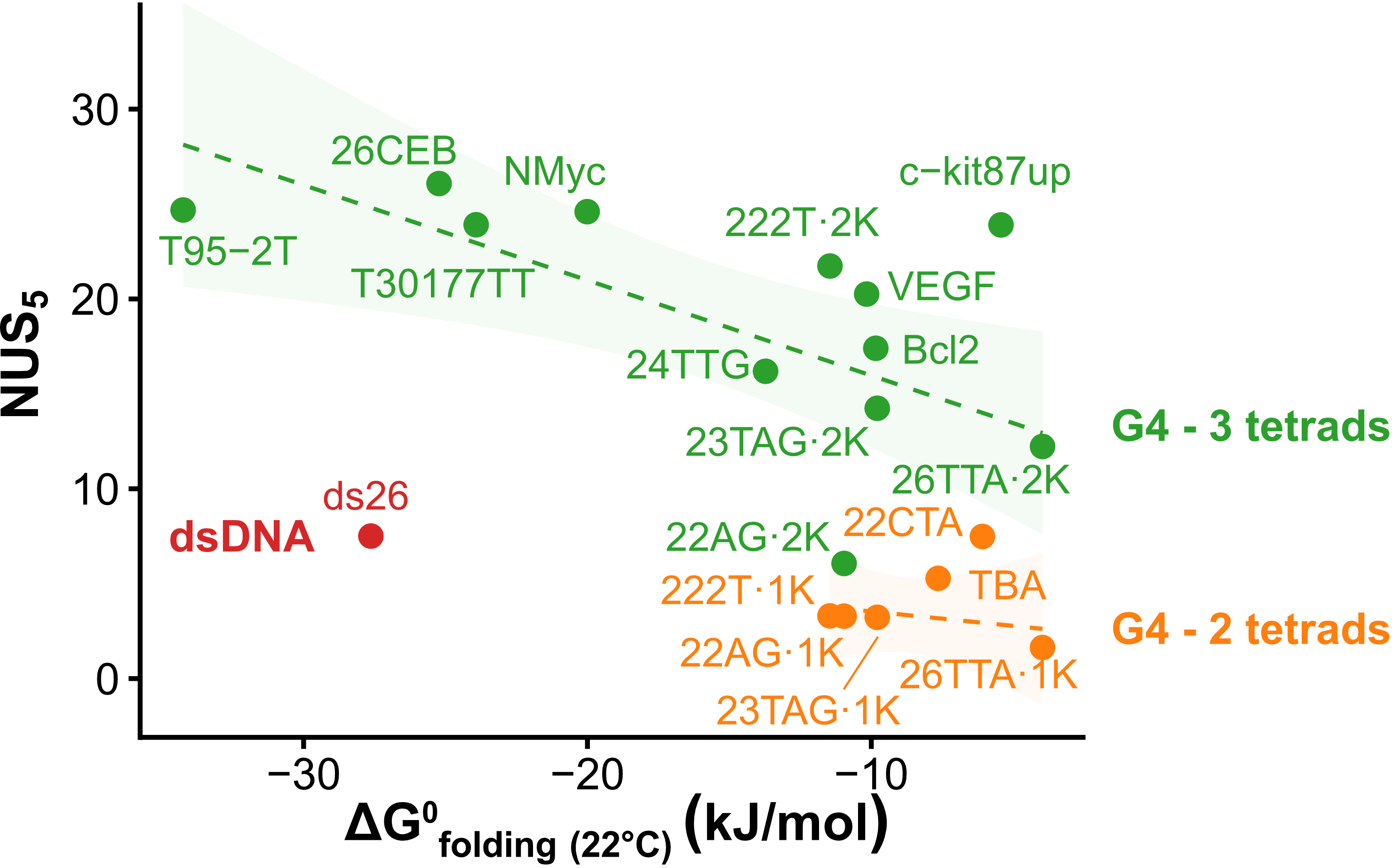
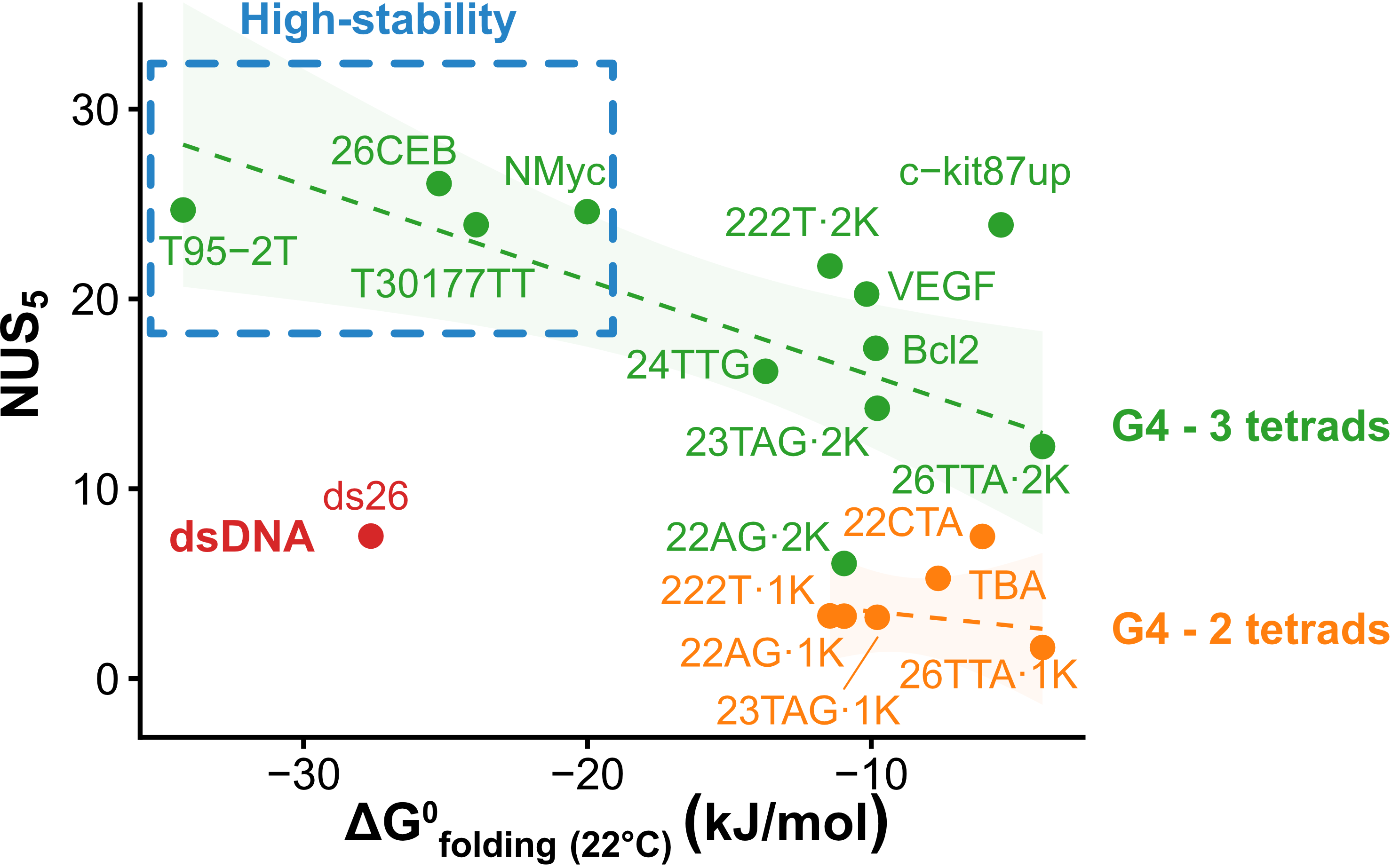
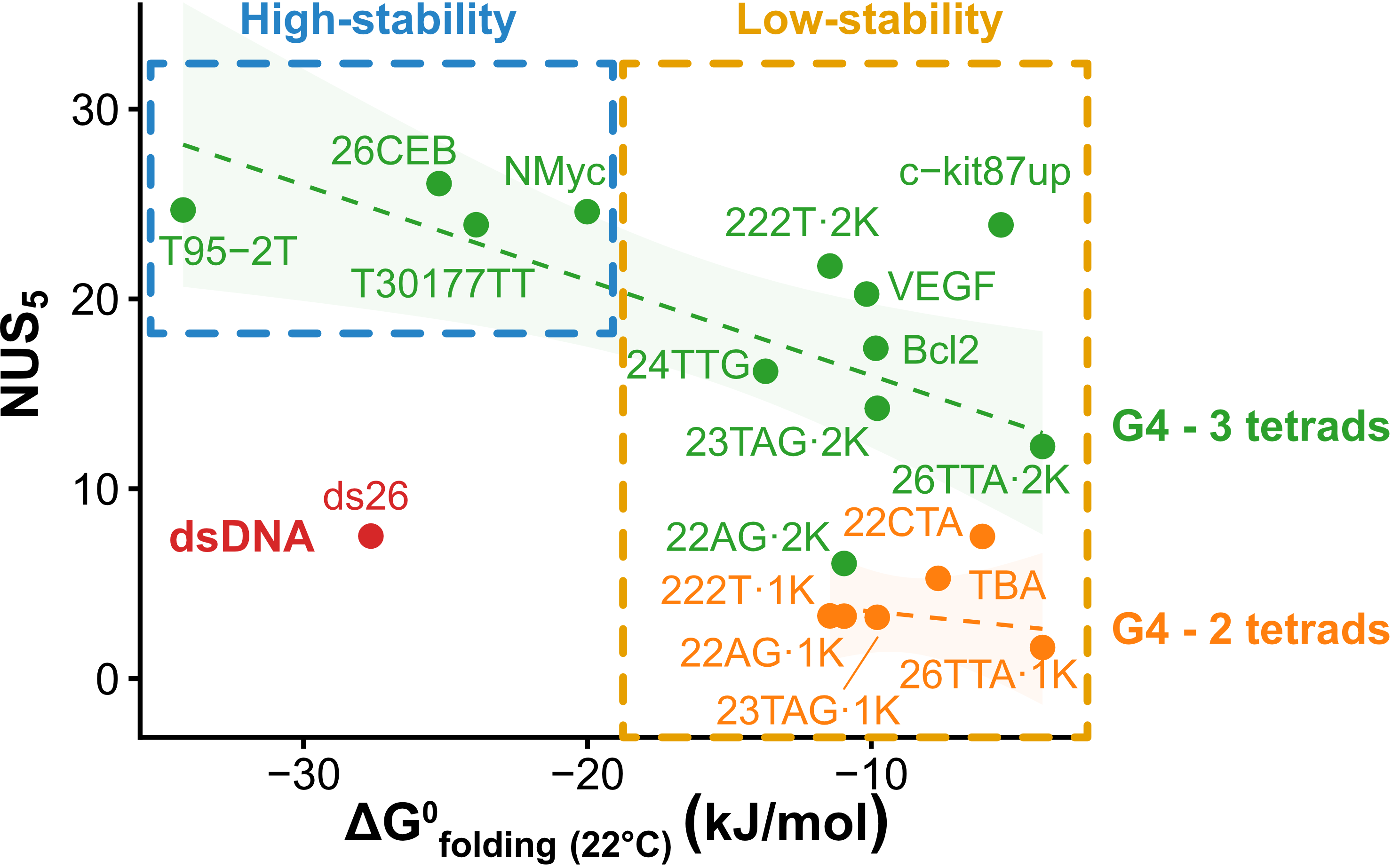
Higher stability G4s exchange via local fluctuations
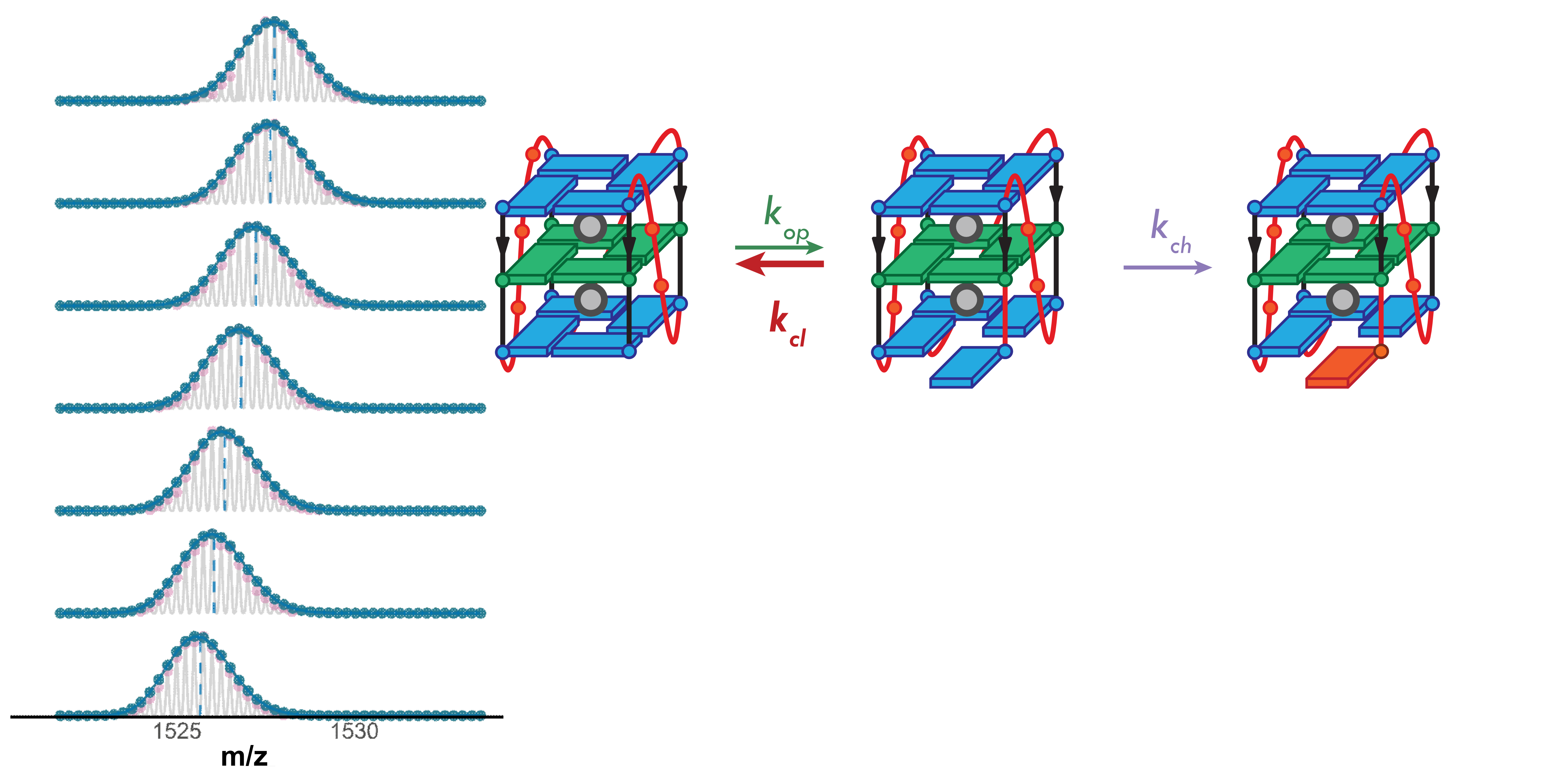
- Short-lived local fluctuations
- Local exchange: “EX2”
- Monomodal isotopic distributions
Lower stability G4s exchange via an unfolded conformer
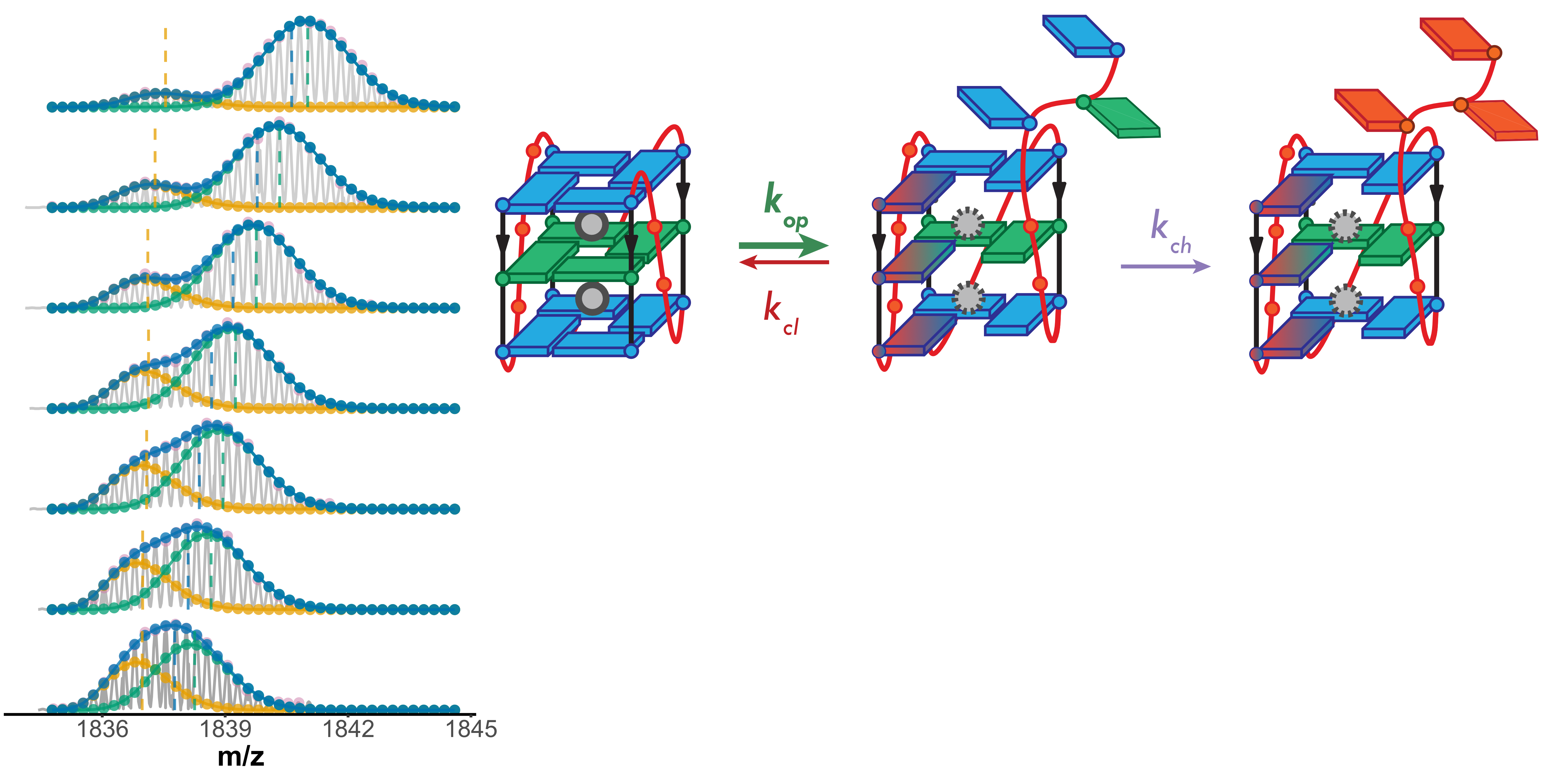
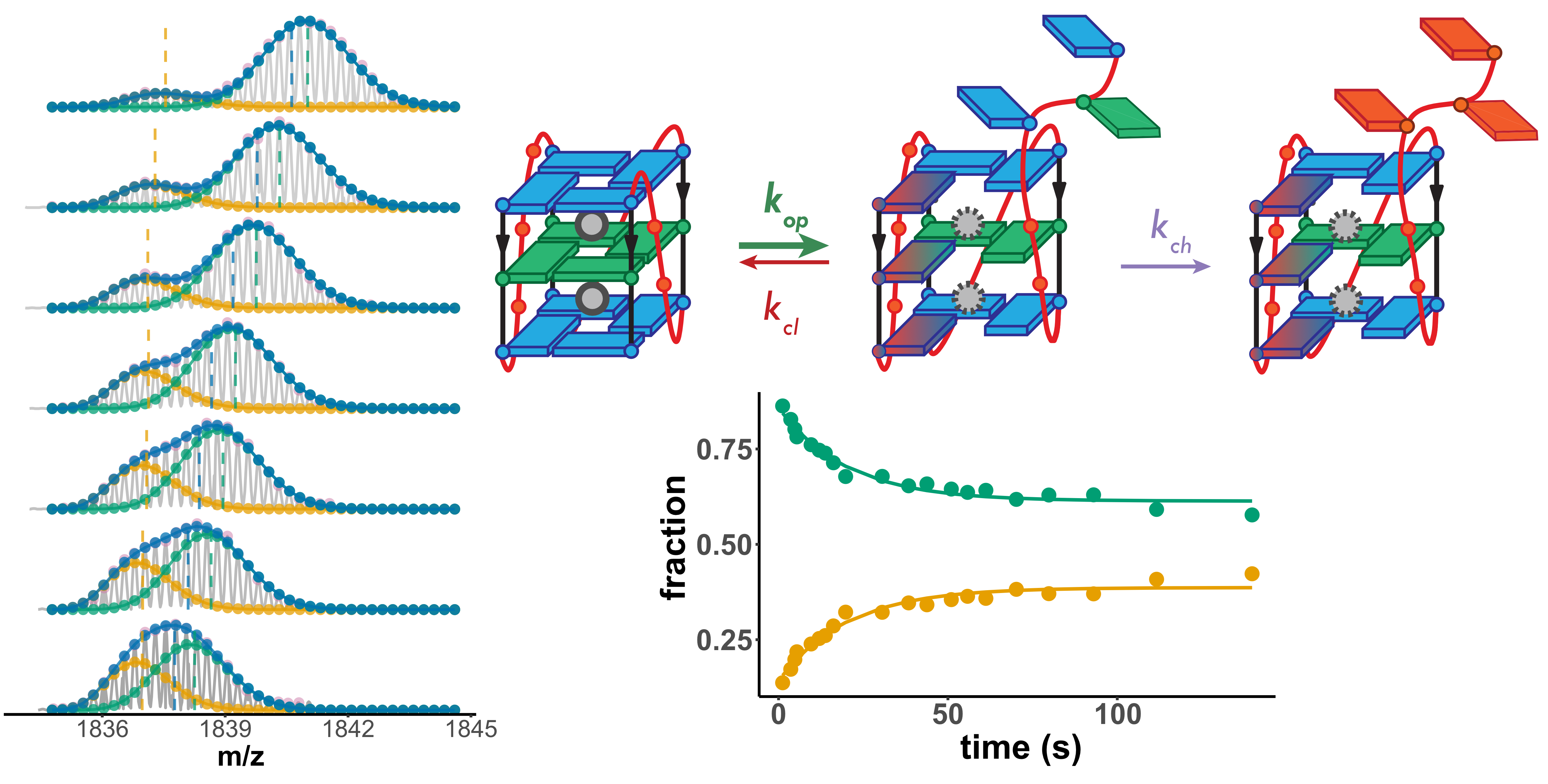
- Longer-lived unfolded conformers
- Global exchange: “EX1”
- Multimodal isotopic distributions
- Each molecule visiting the exchange-competent conformation is revealed
Exchange-competent species resemble folding intermediates


Drift tube IMS
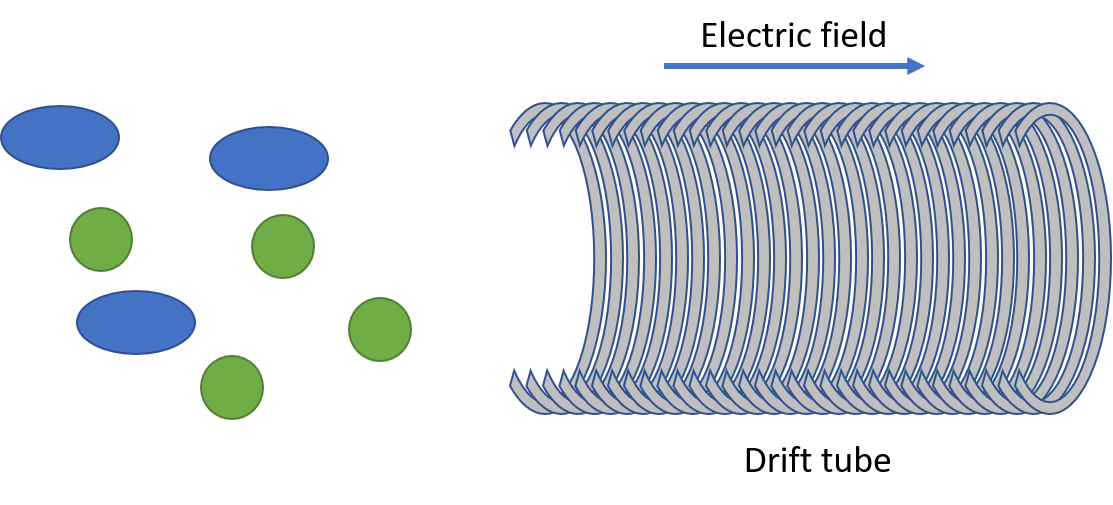
- Collisions between ions and drift gas
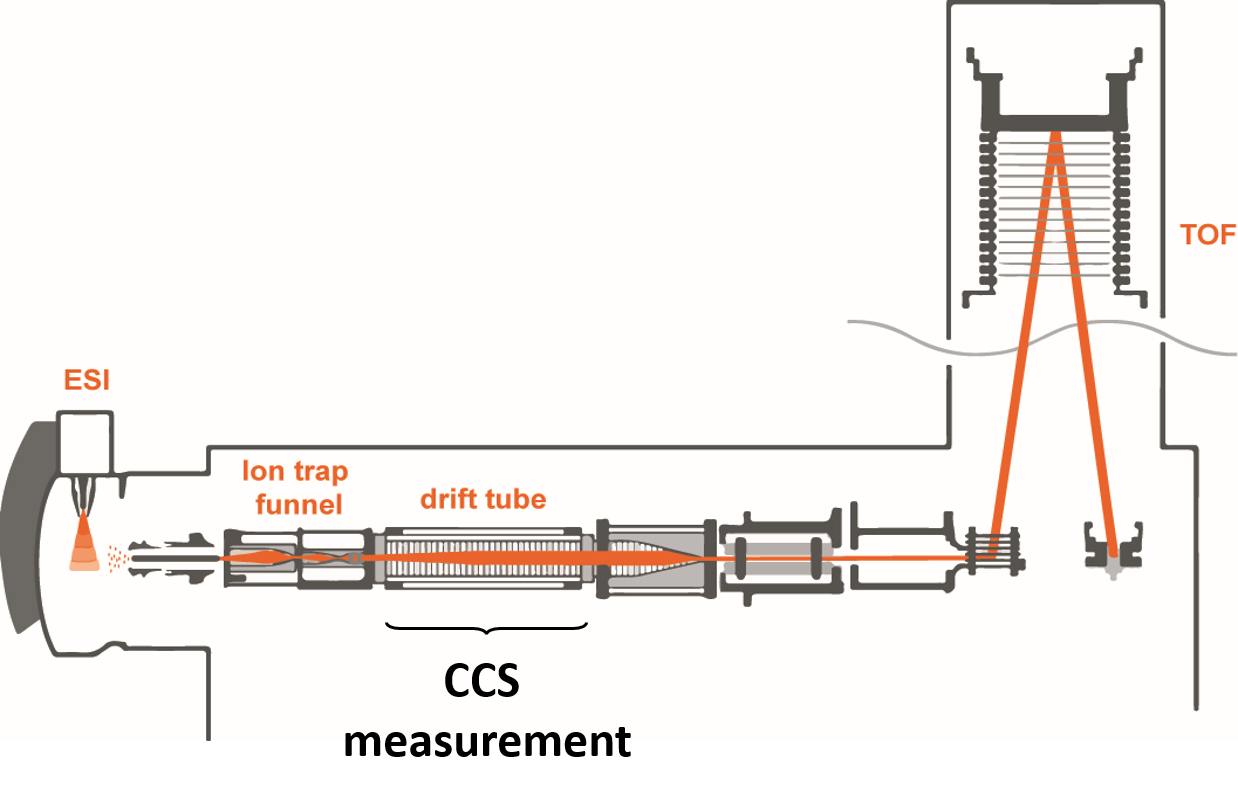
Drift tube IMS
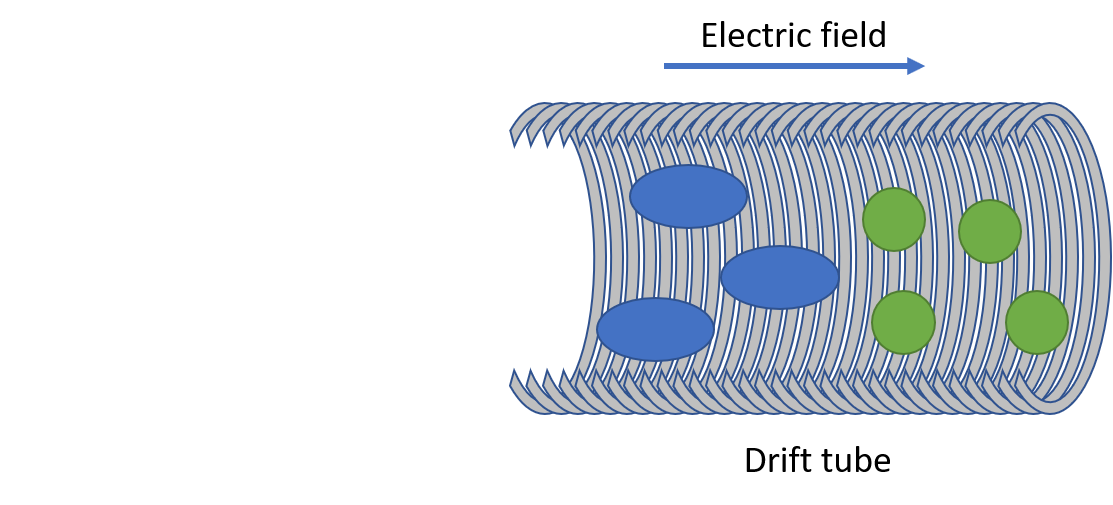
- Collisions between ions and drift gas
- Compact structures travel faster
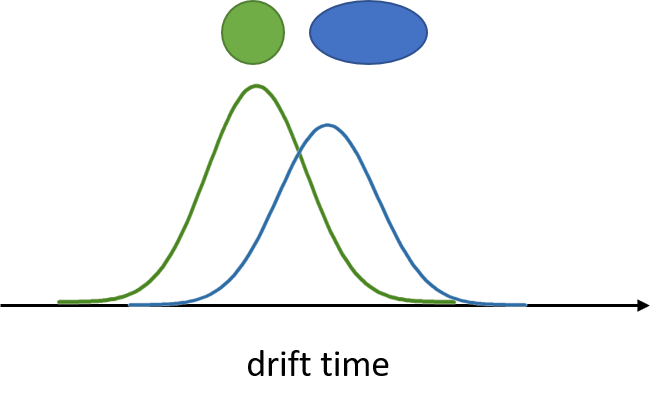
Separation of conformers of same mass
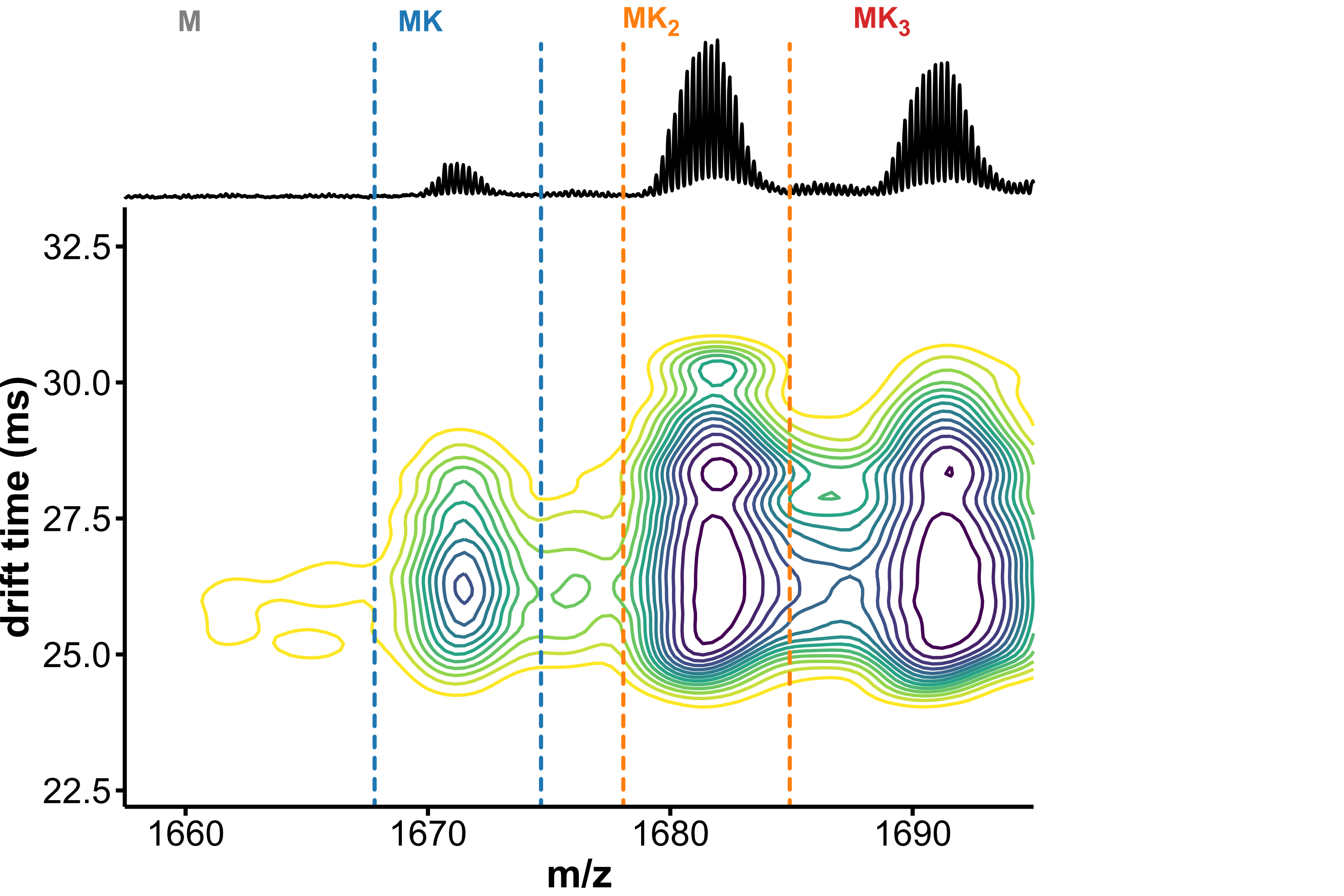
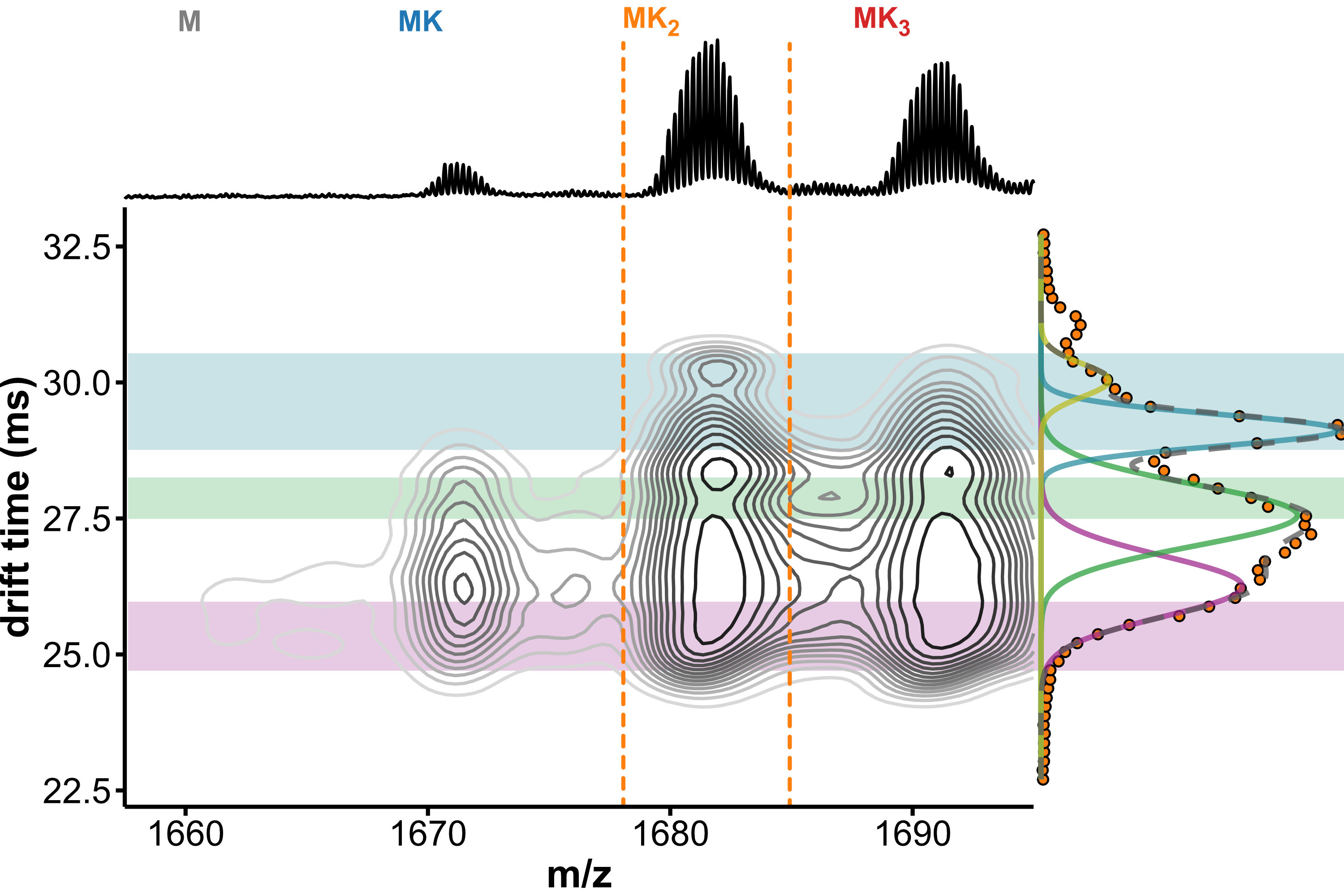
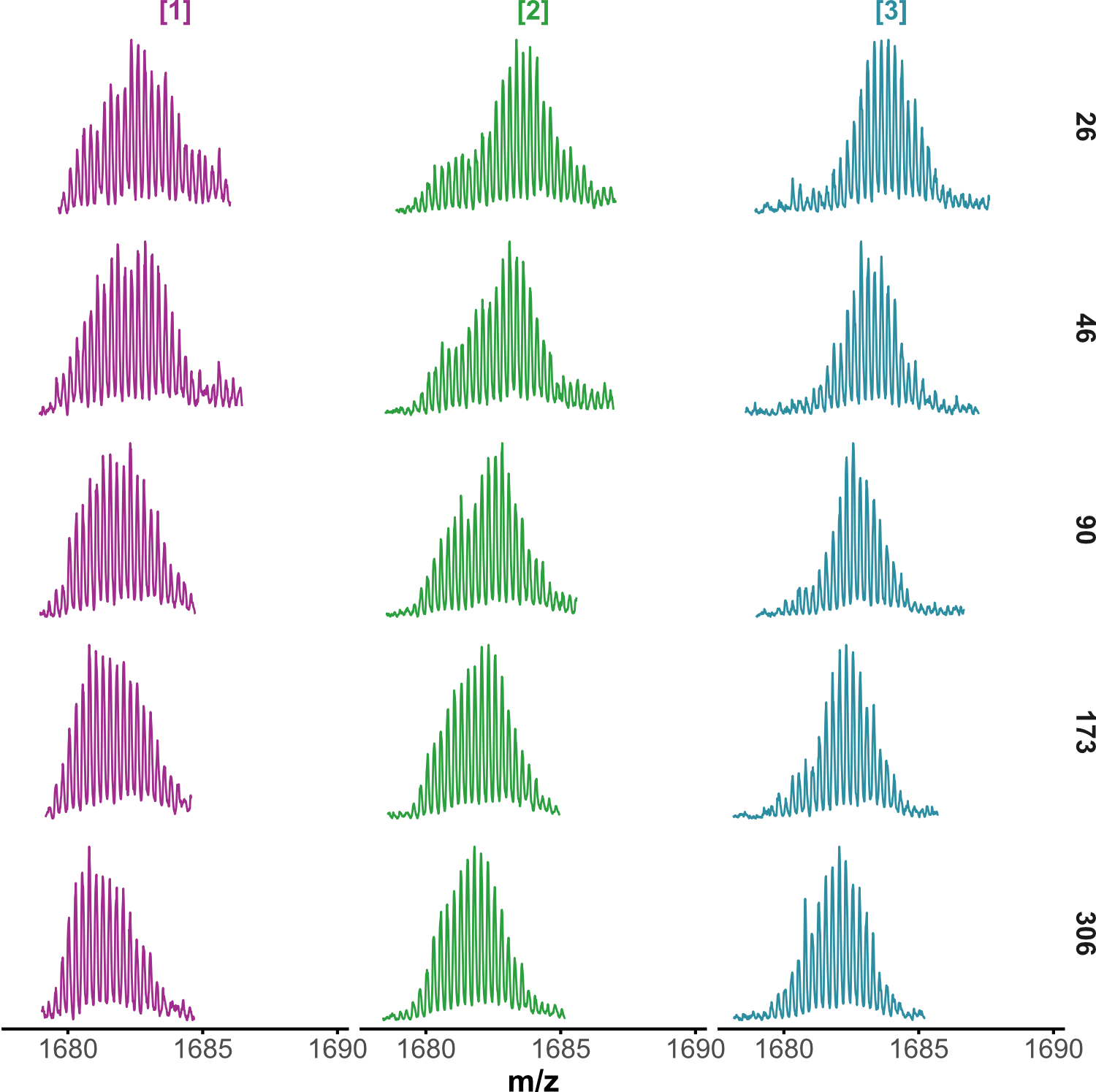
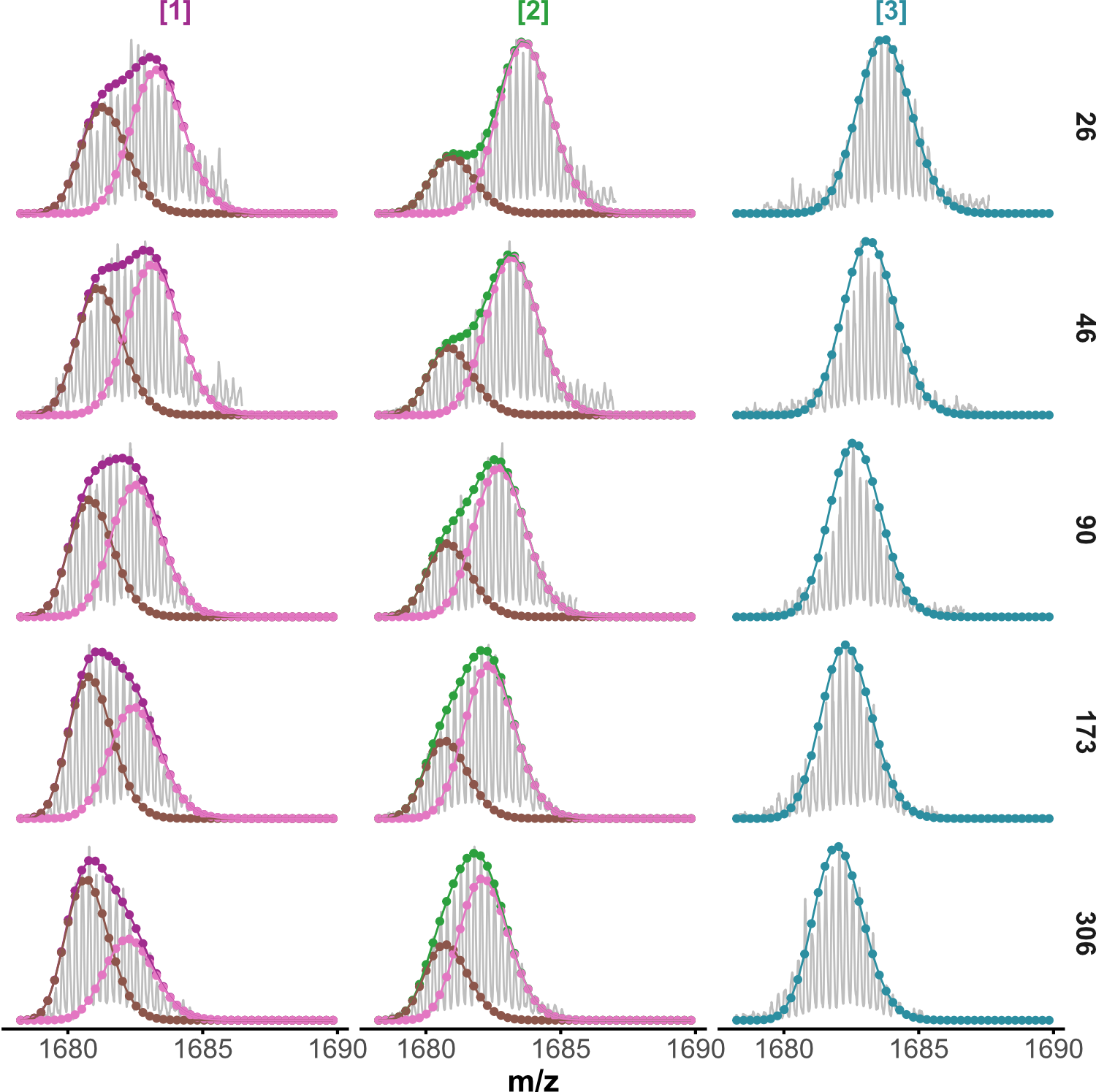
Minor unfolding conformers can be revealed by HDX/IMS

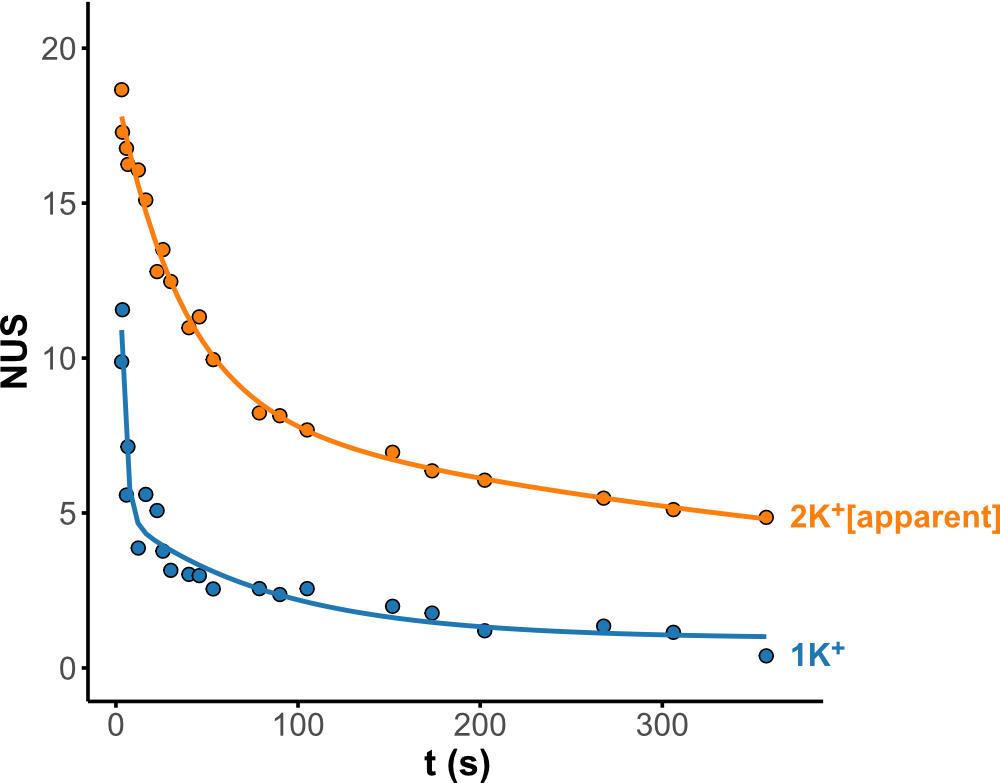
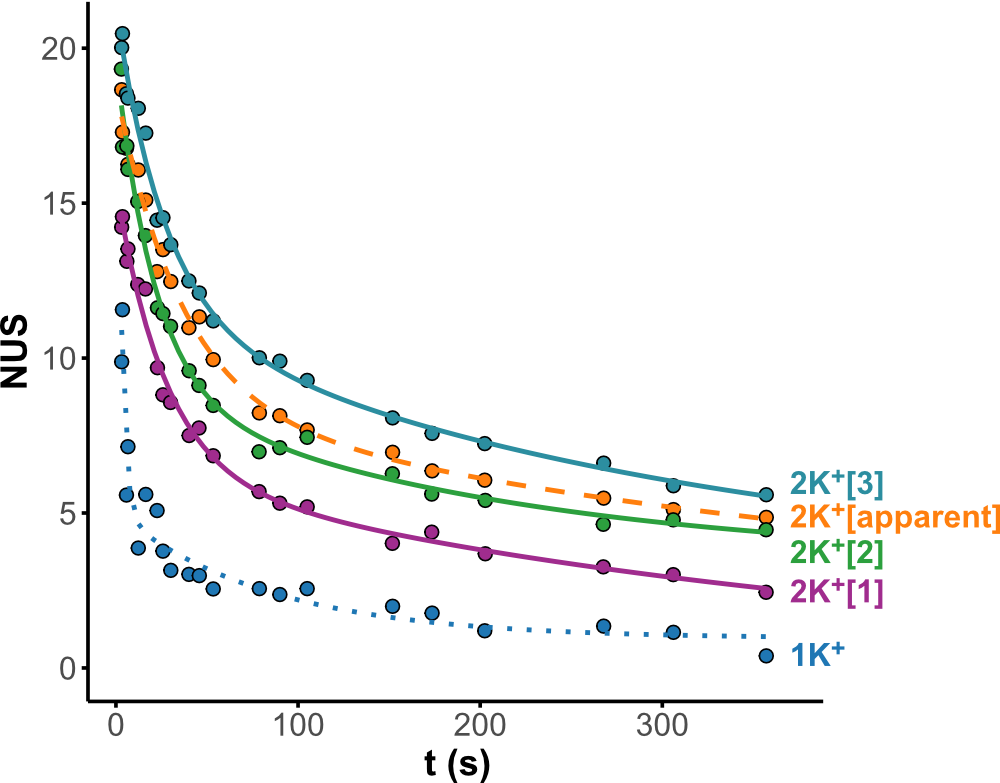
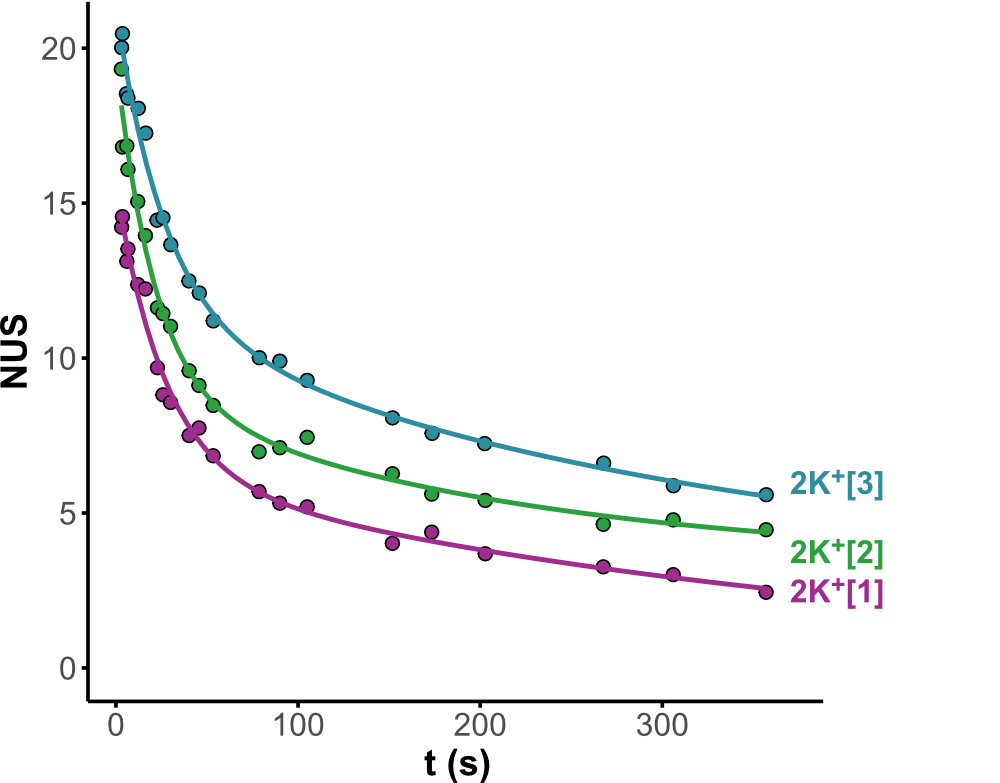

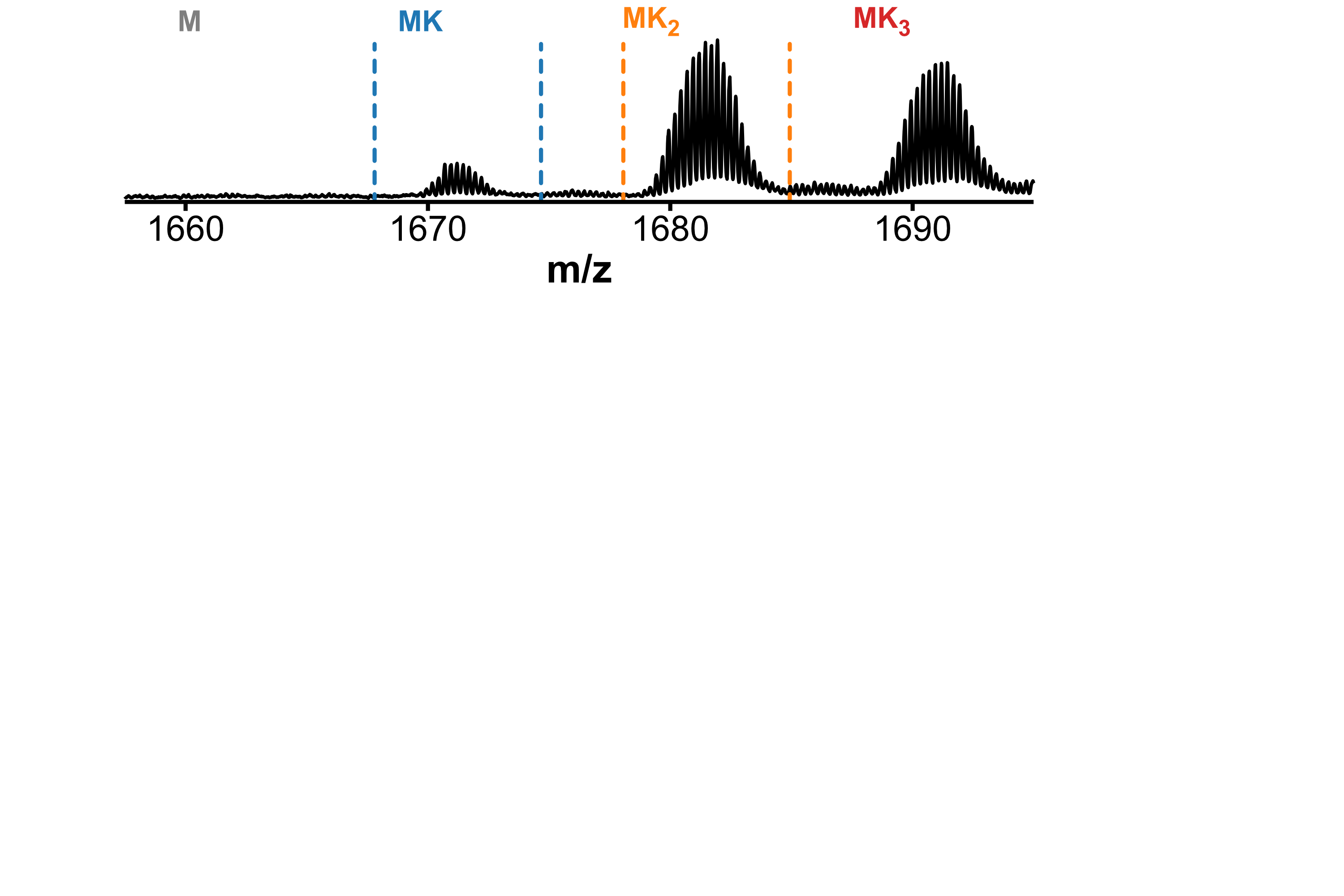


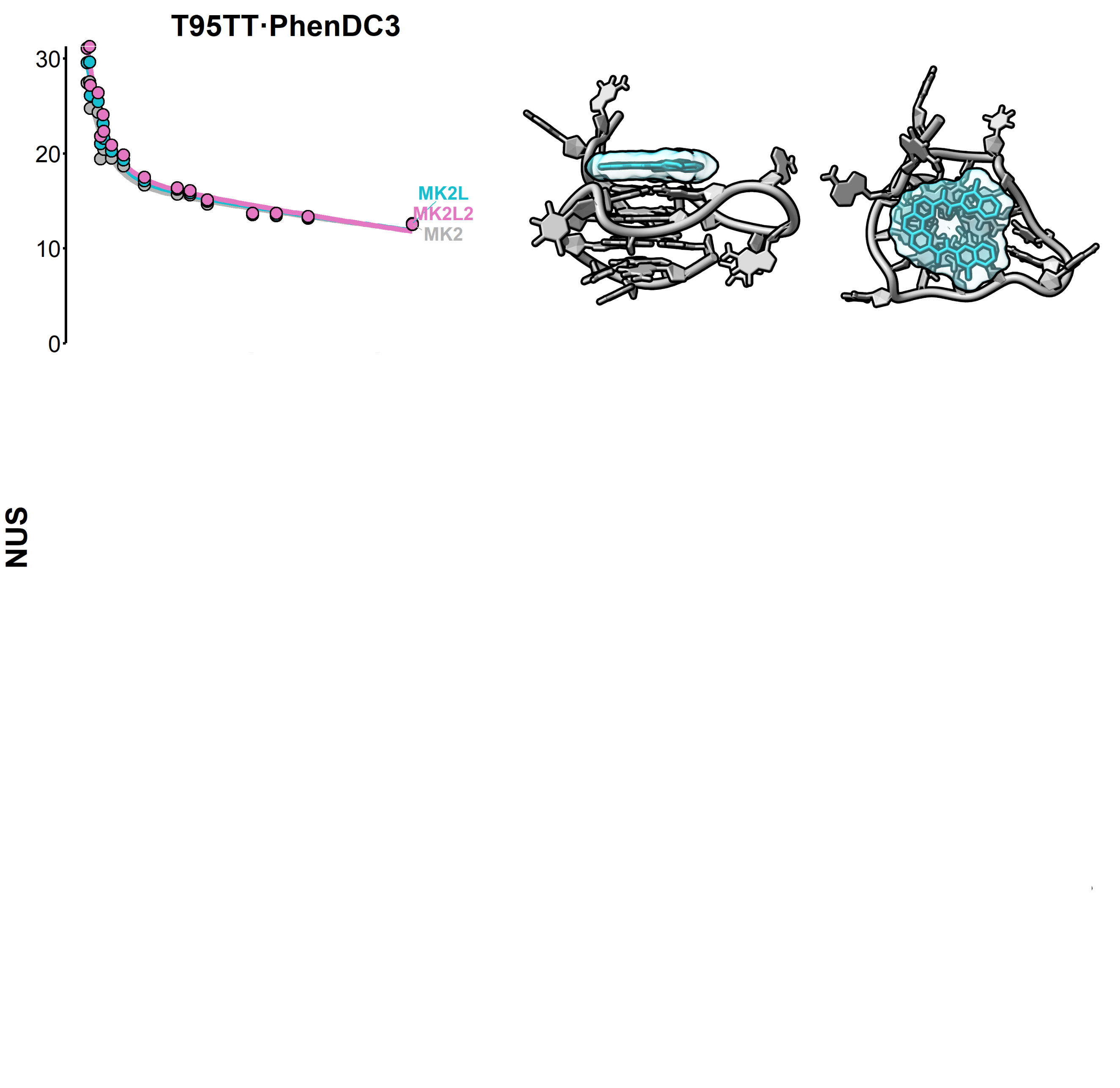
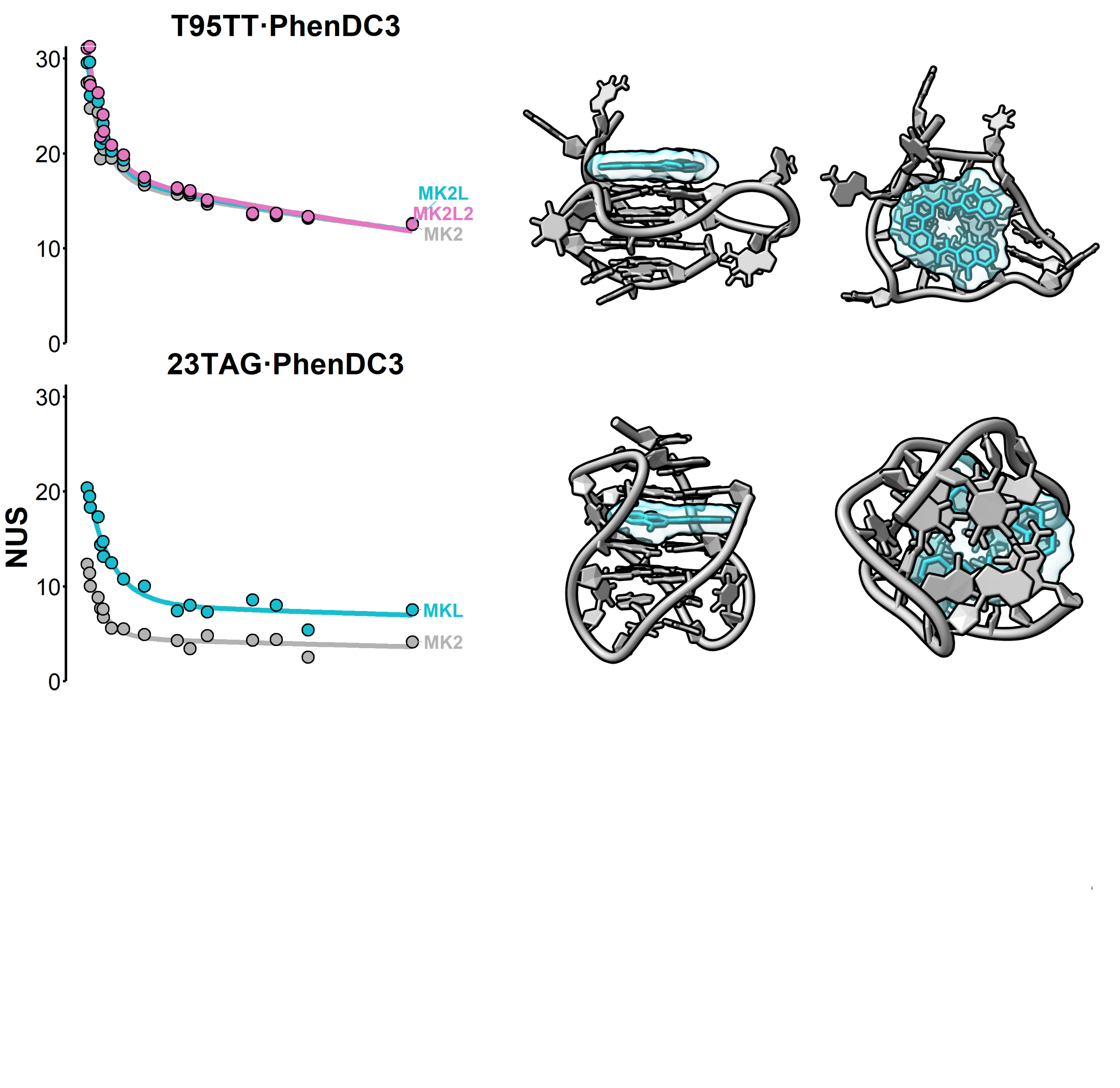
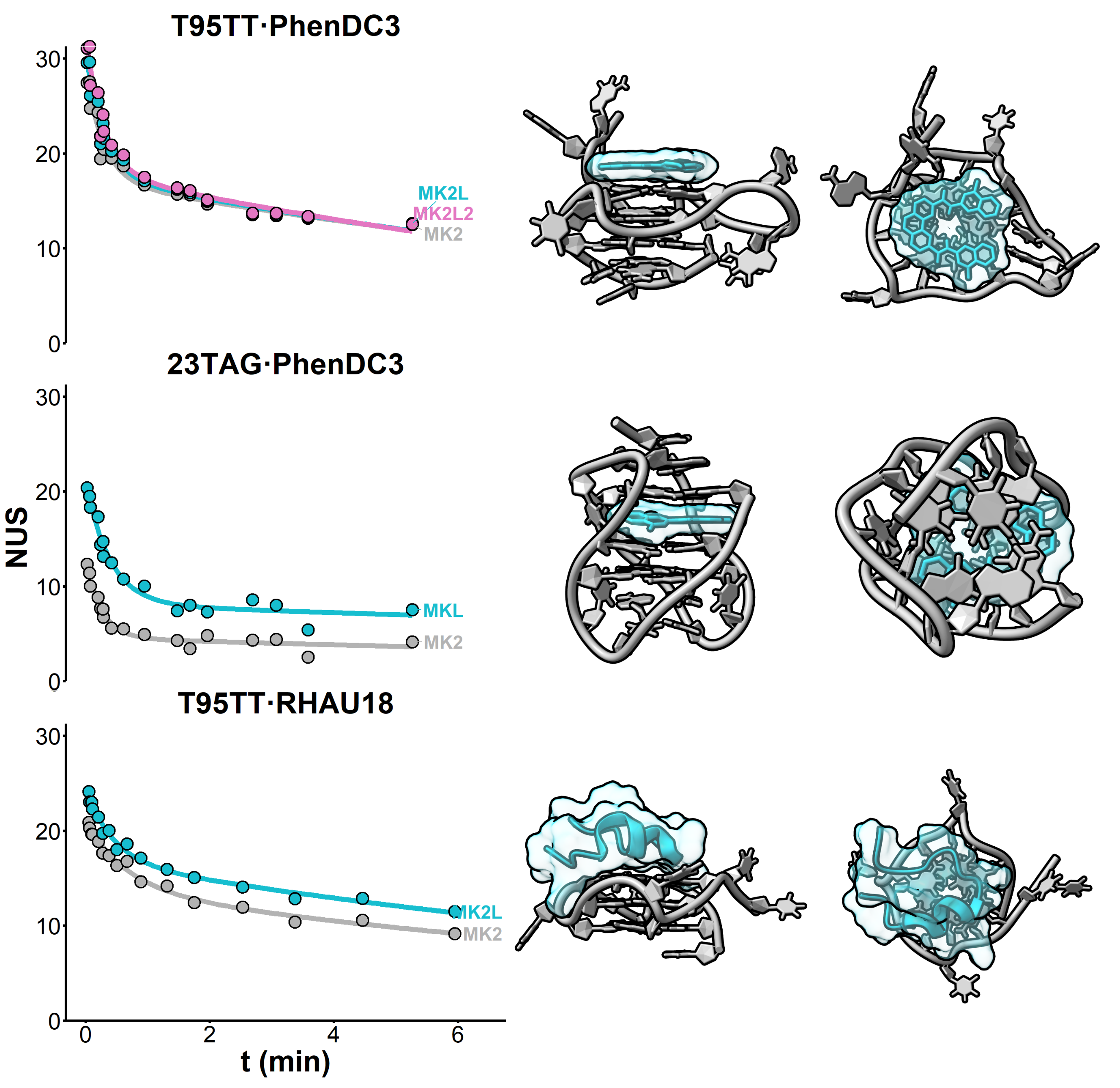
HDX kinetics inform on binding modes

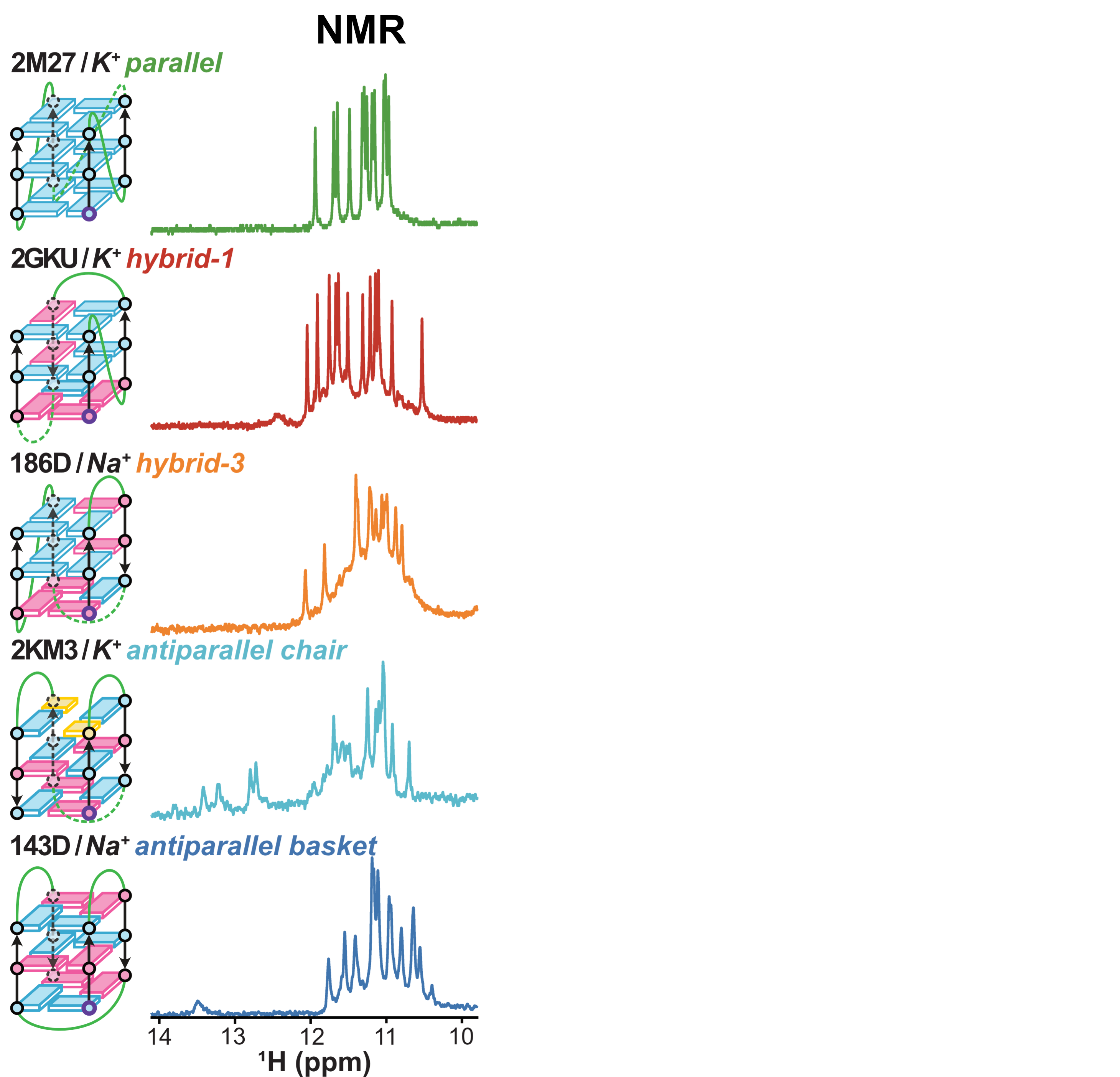
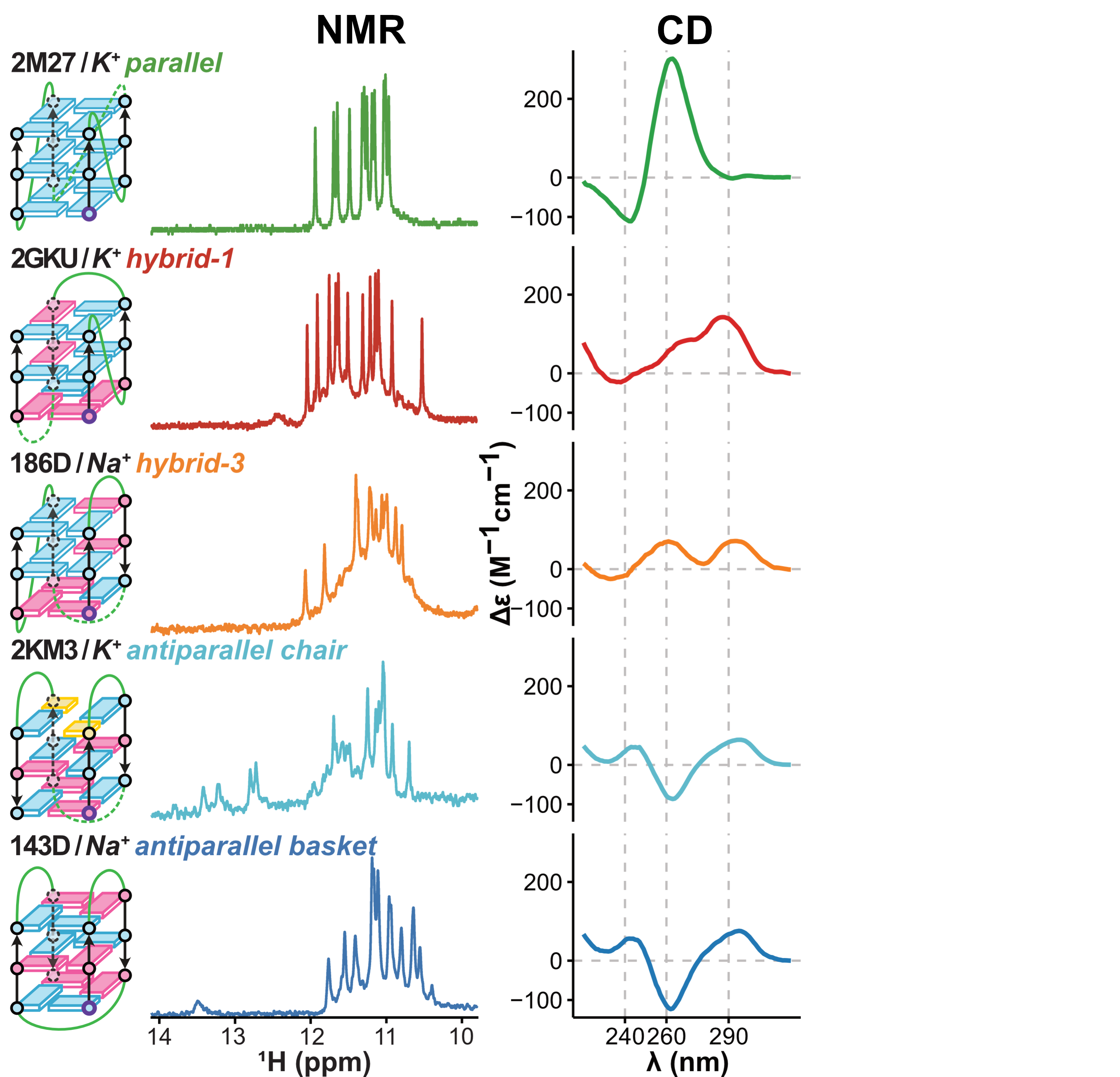
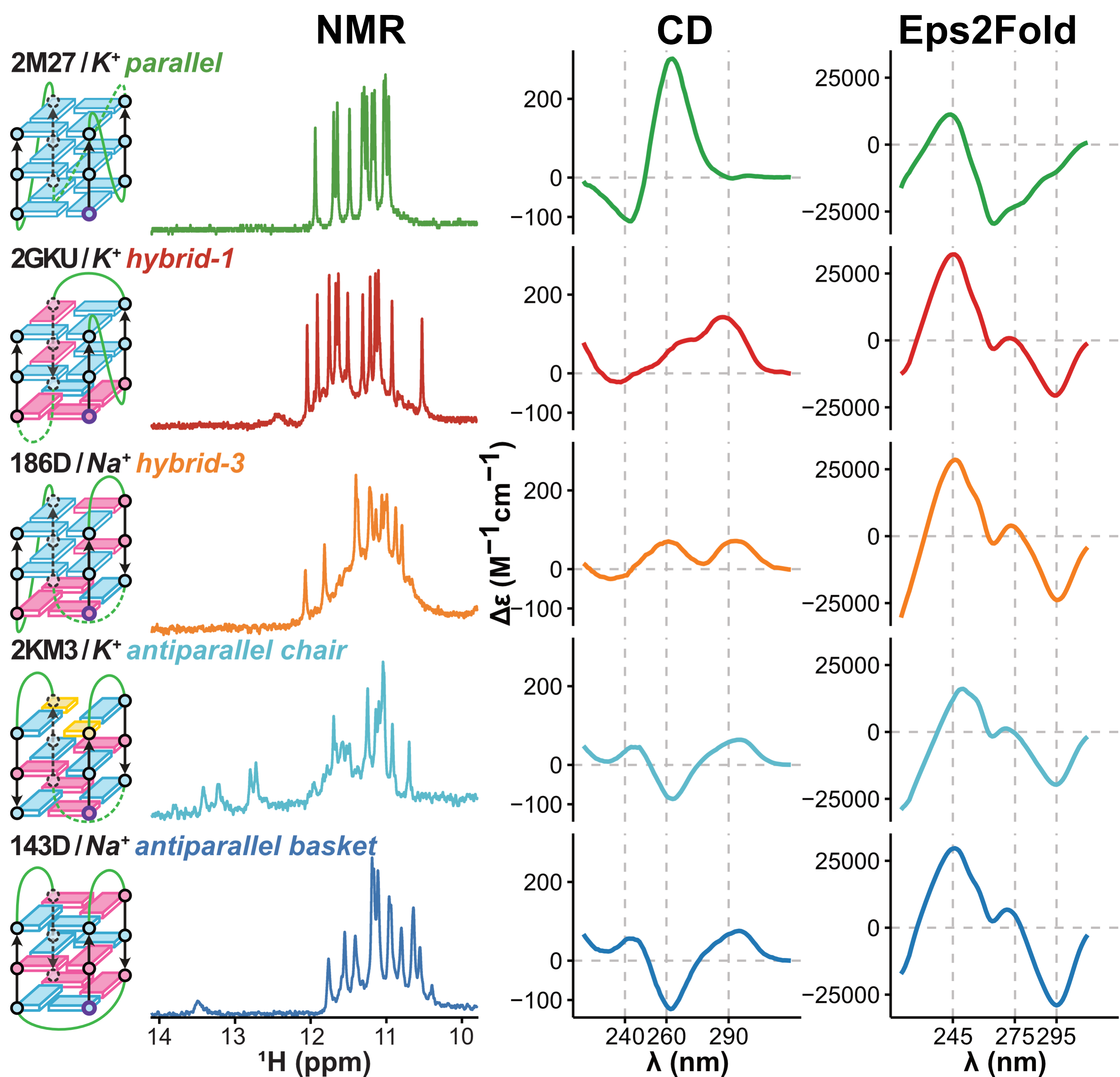
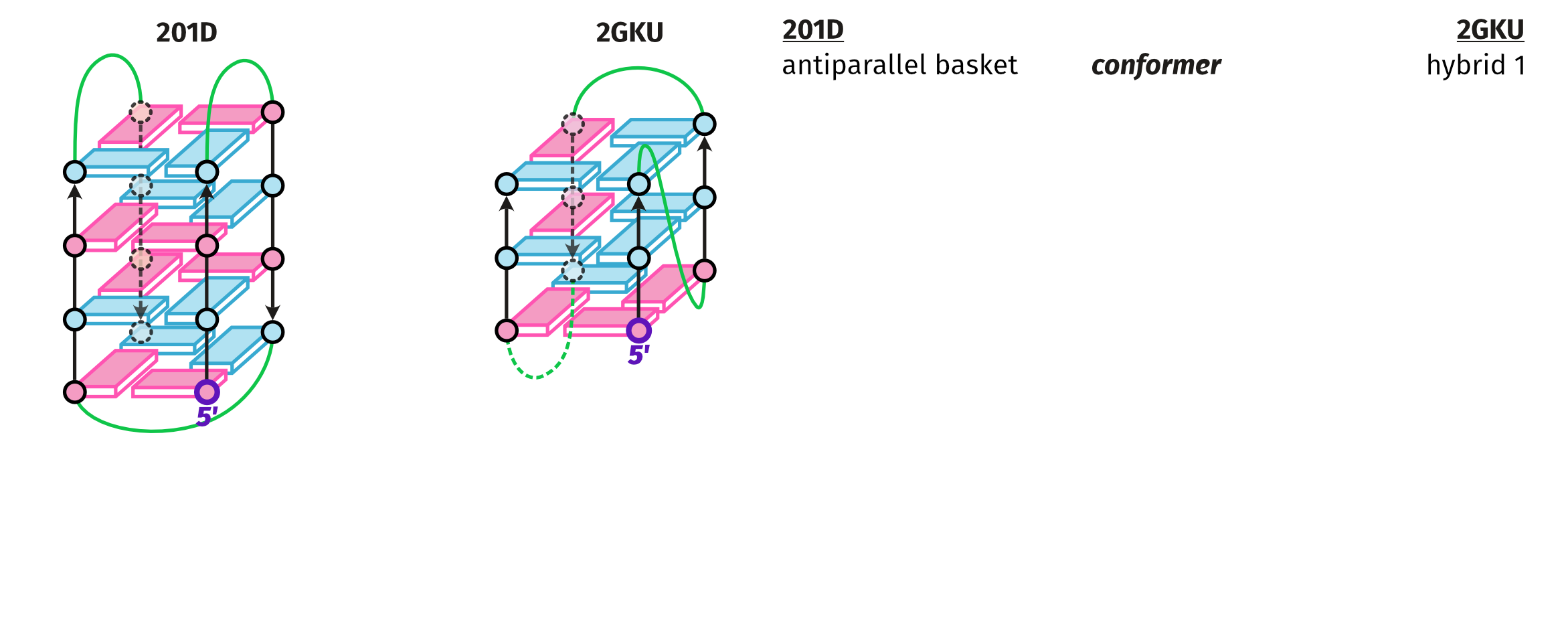
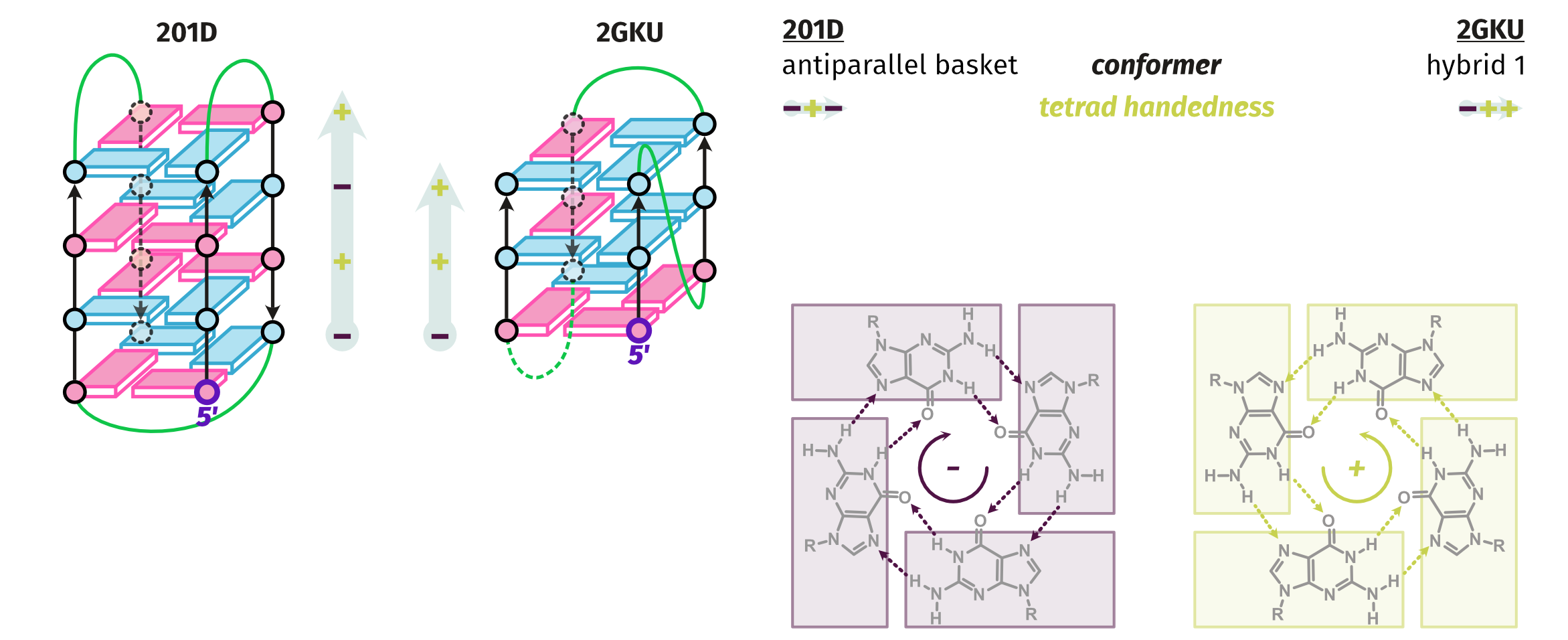
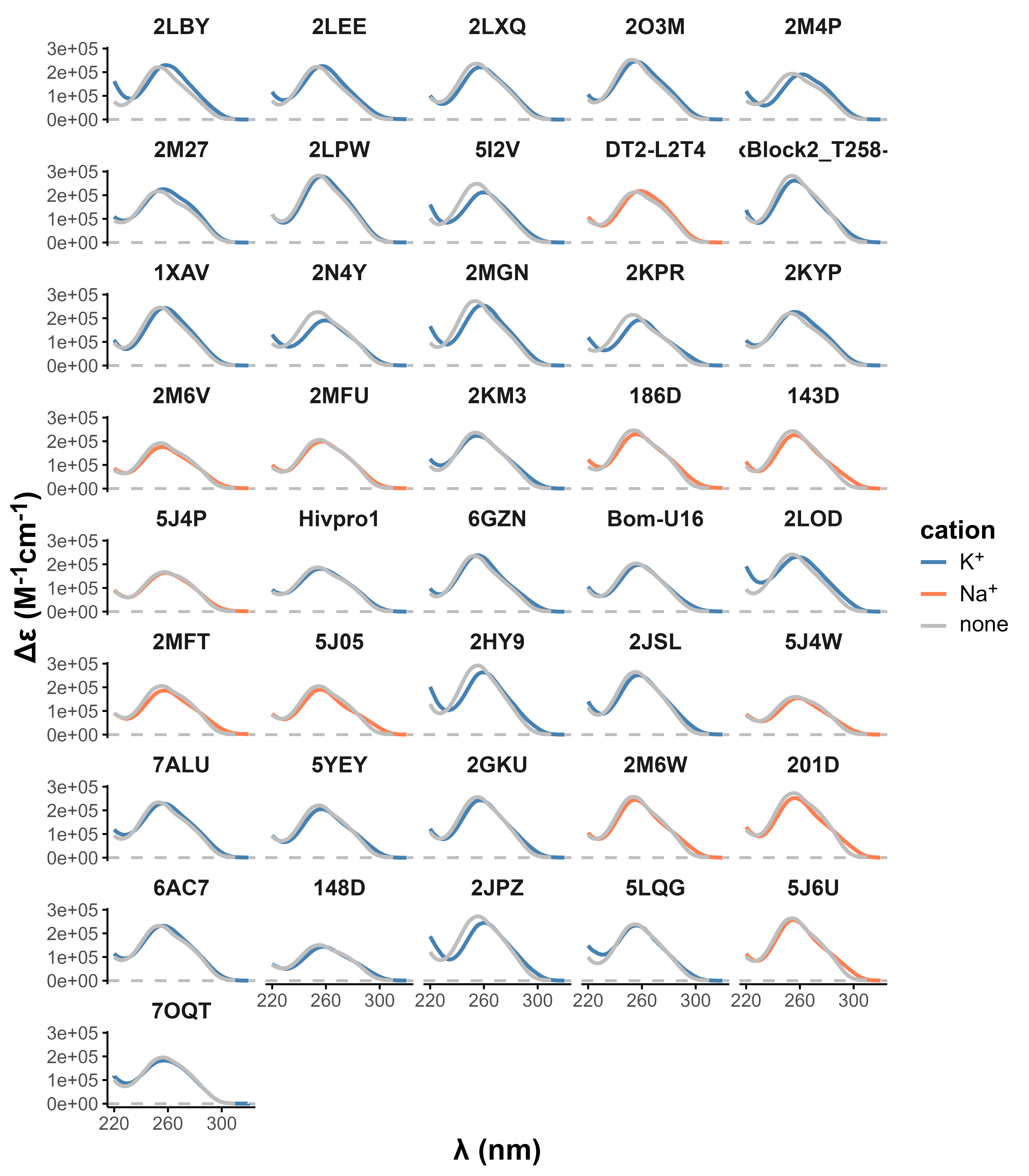
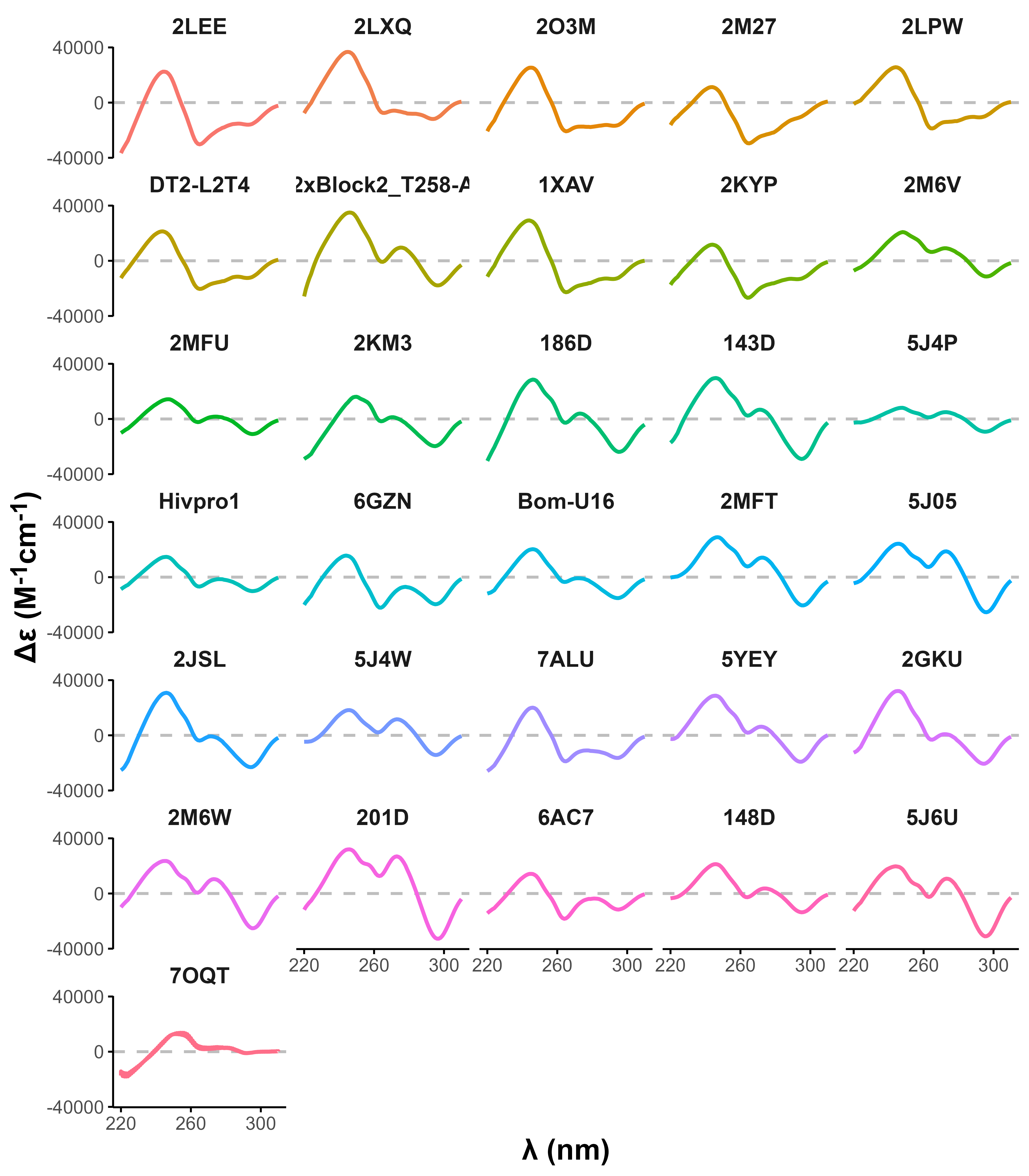
Eps2Fold: structural insights from UV spectra

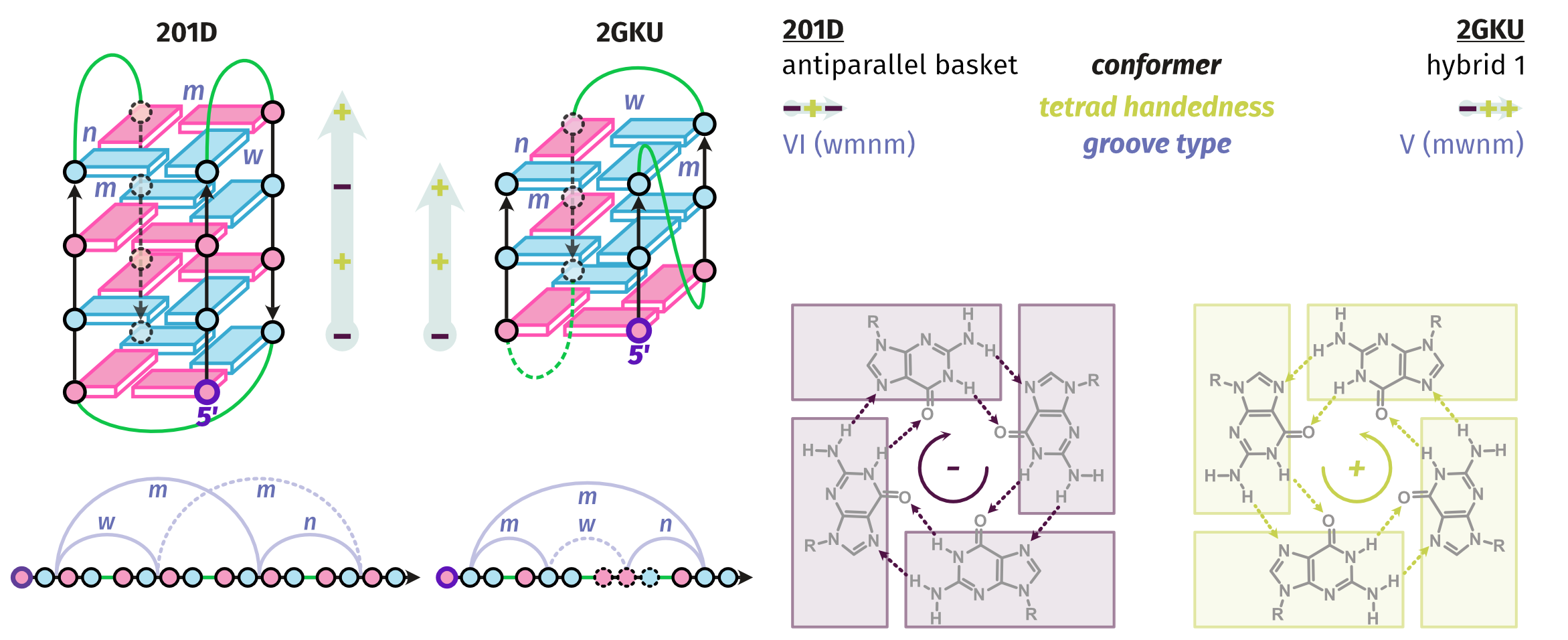
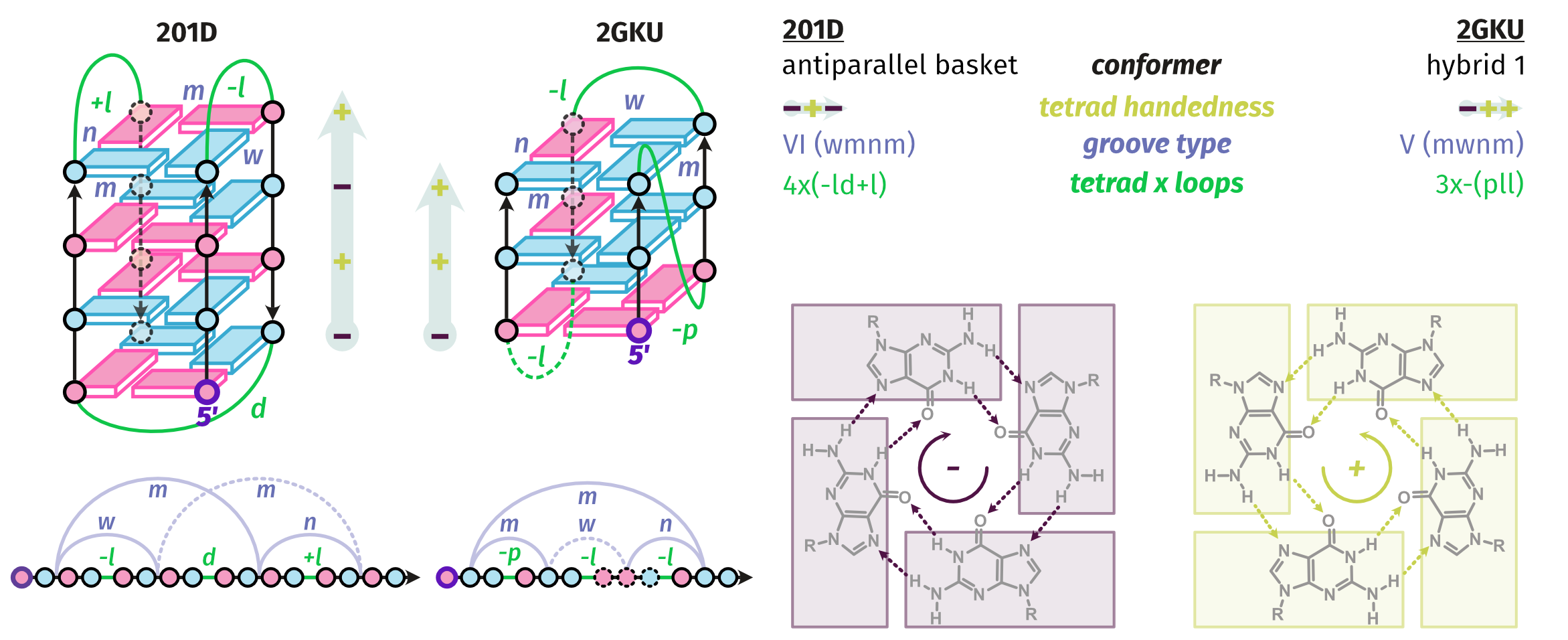
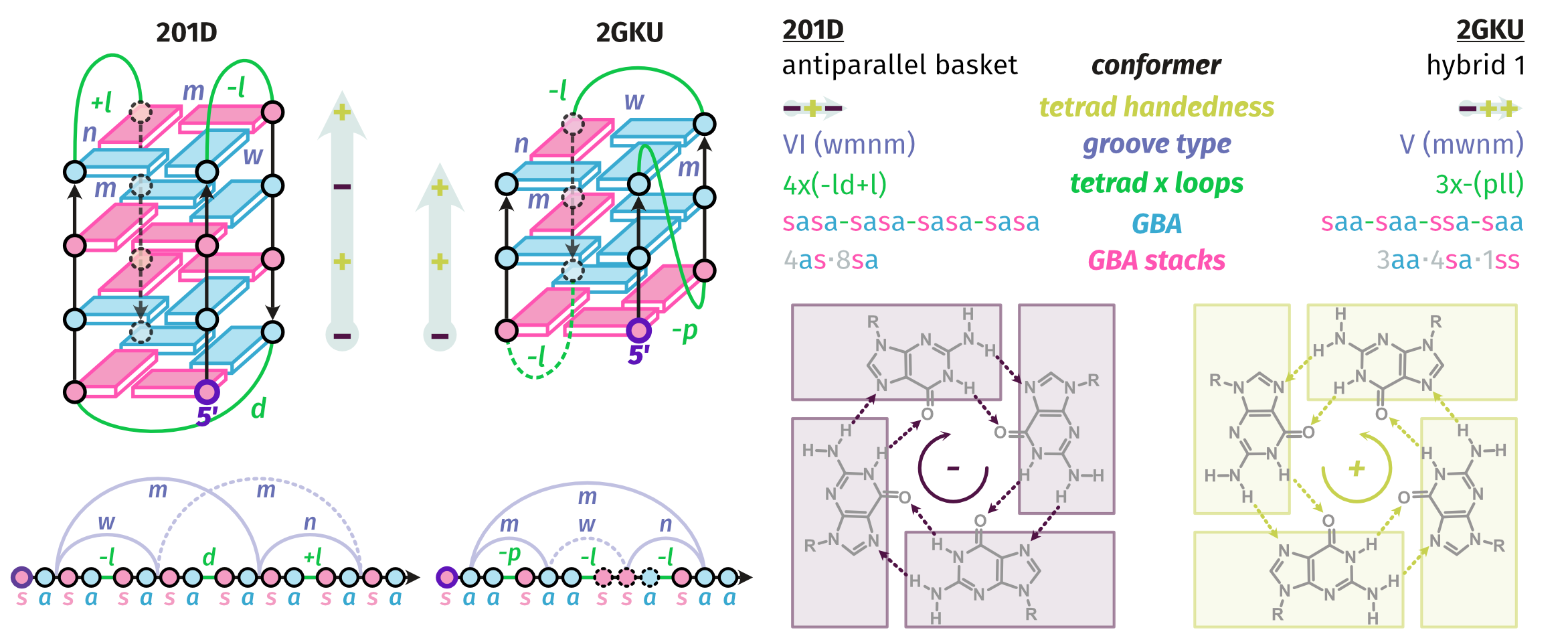
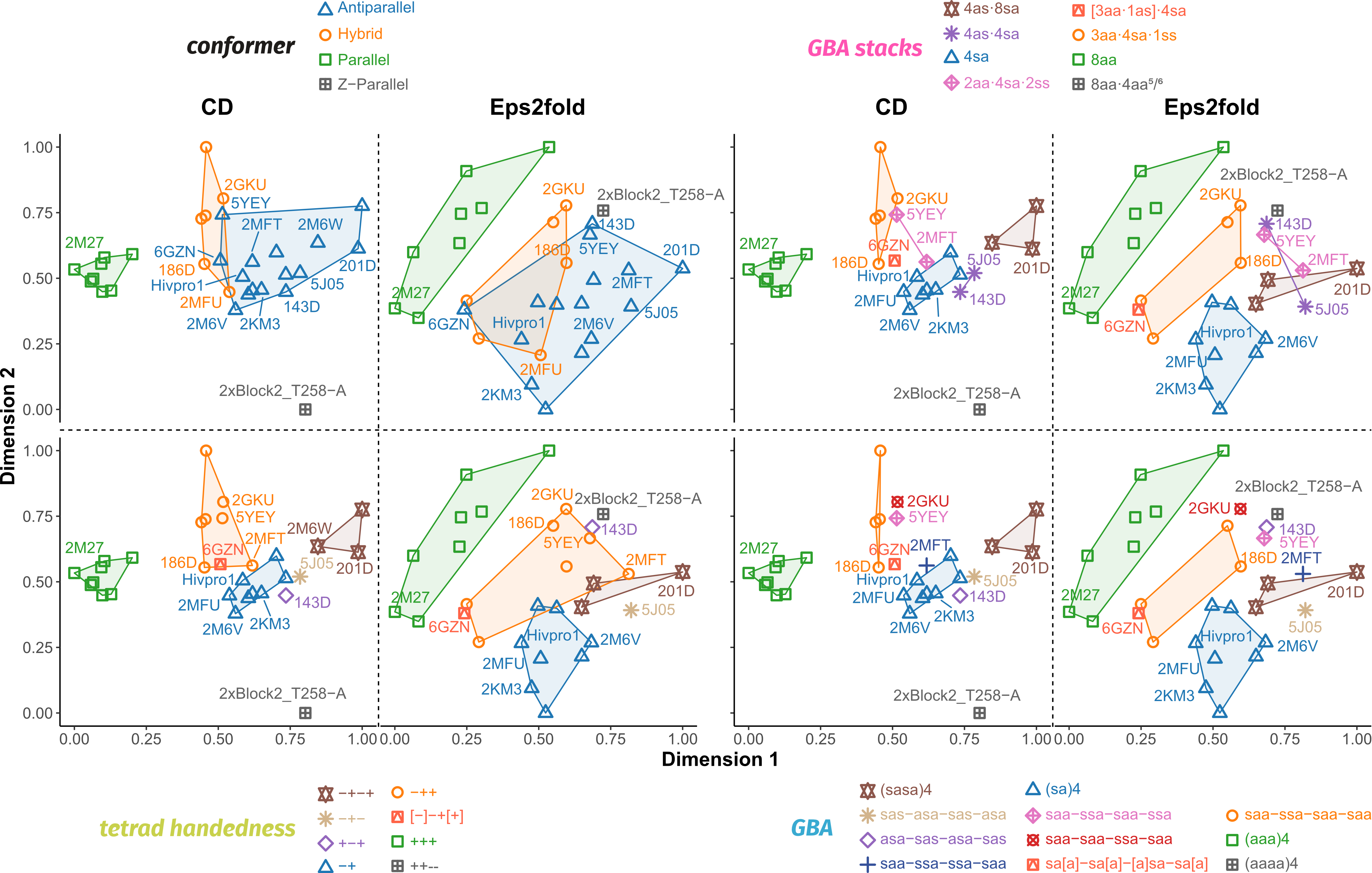
Dopamine aptamer
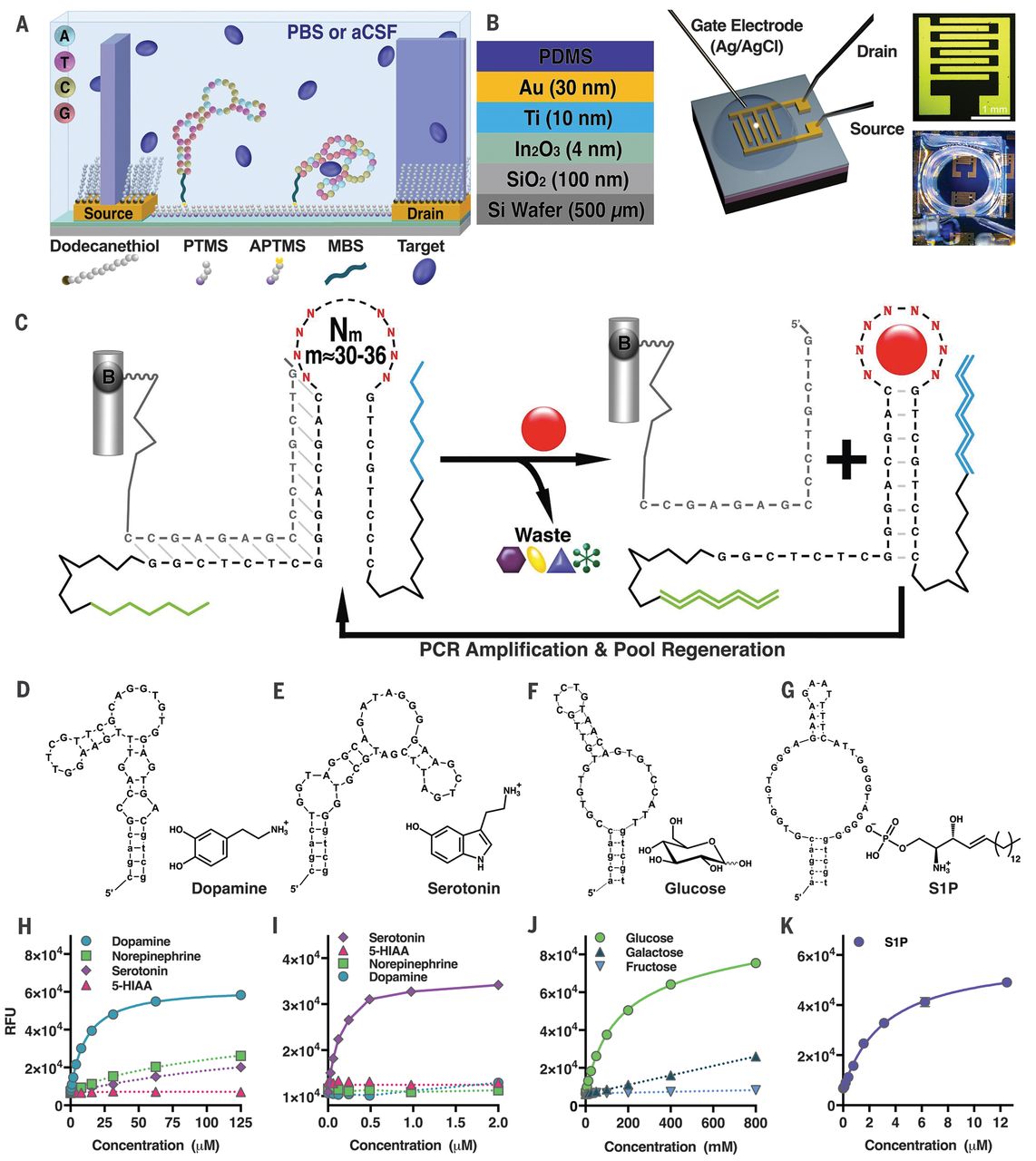
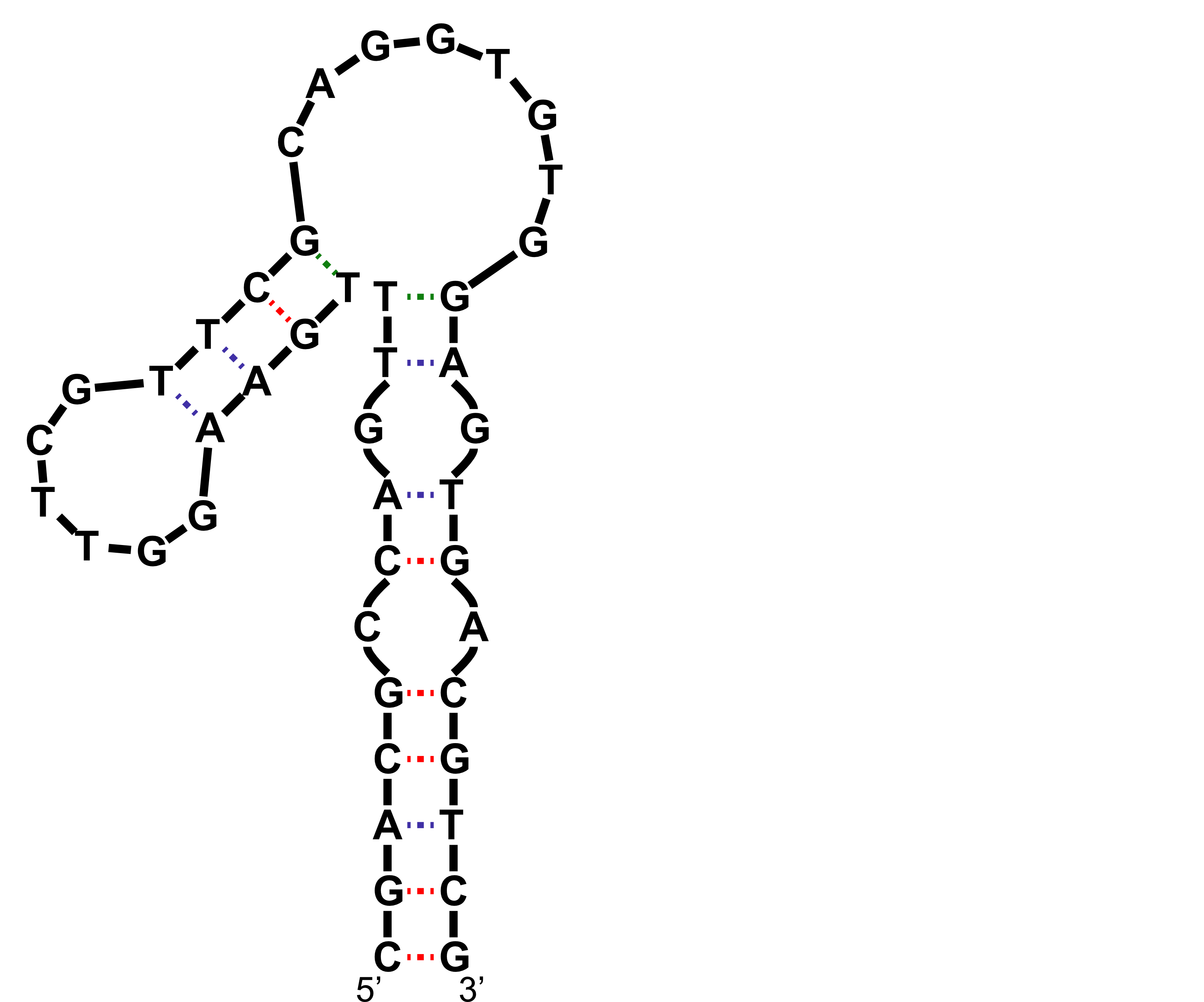
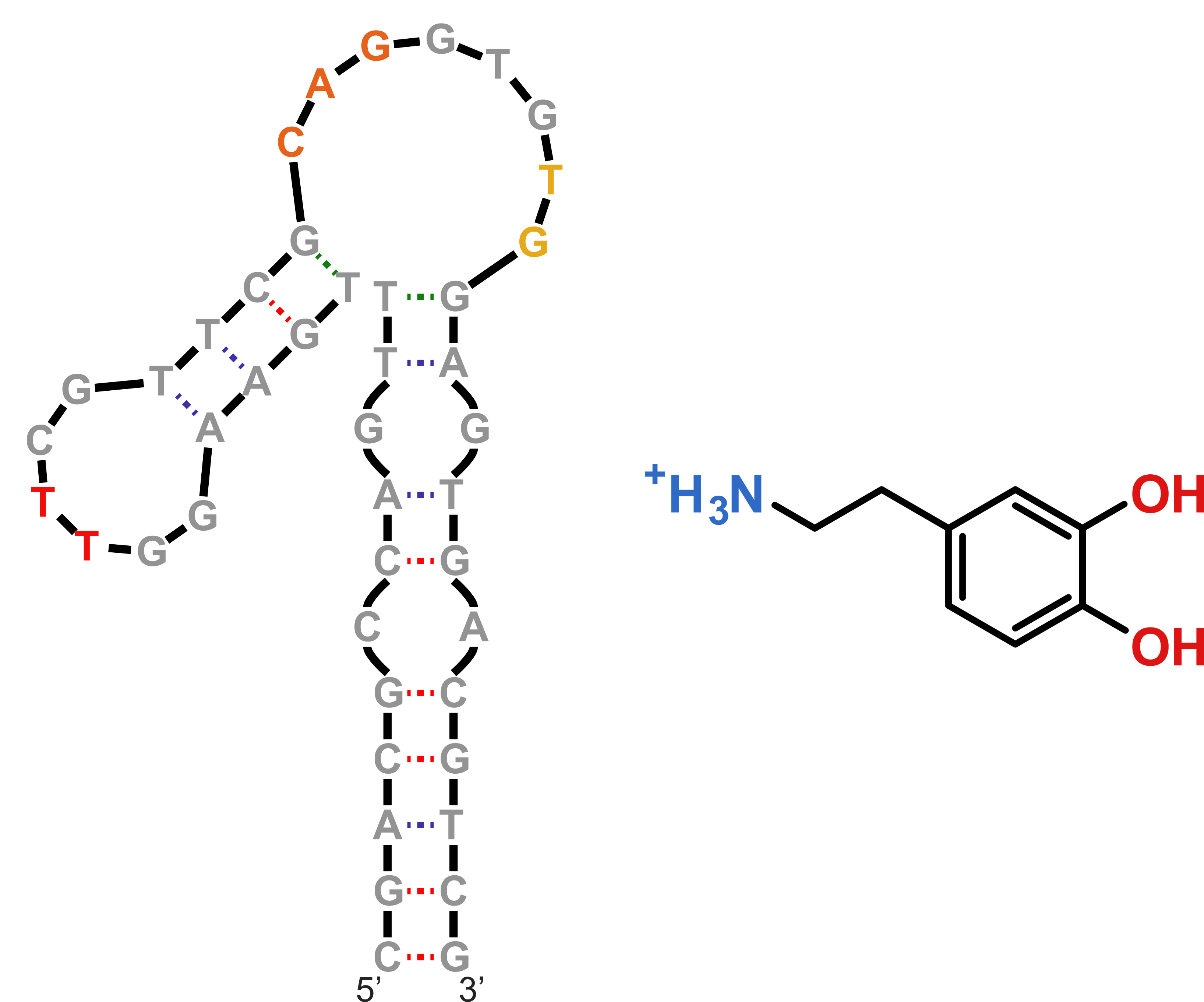
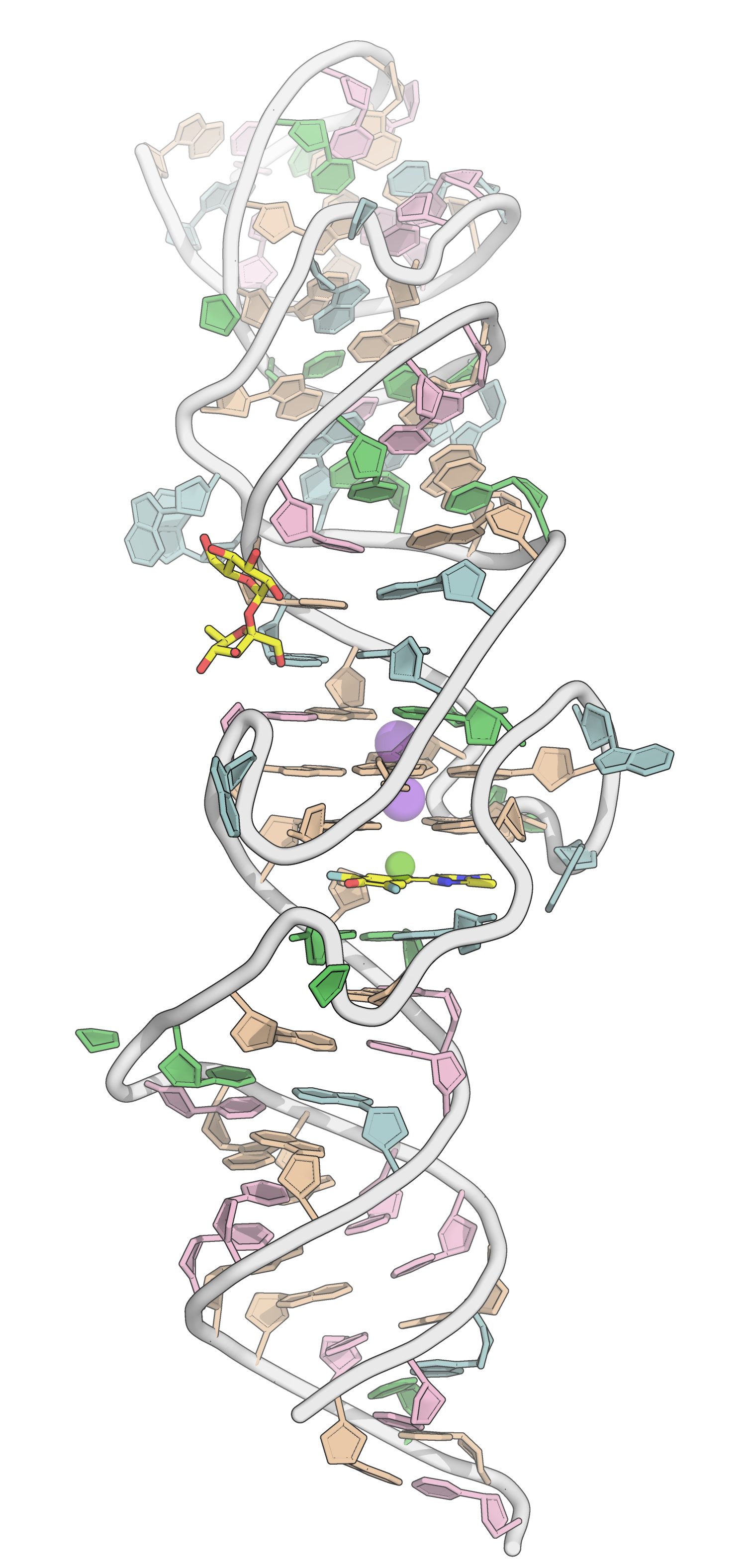
NMR provides (non-canonical !) starting models
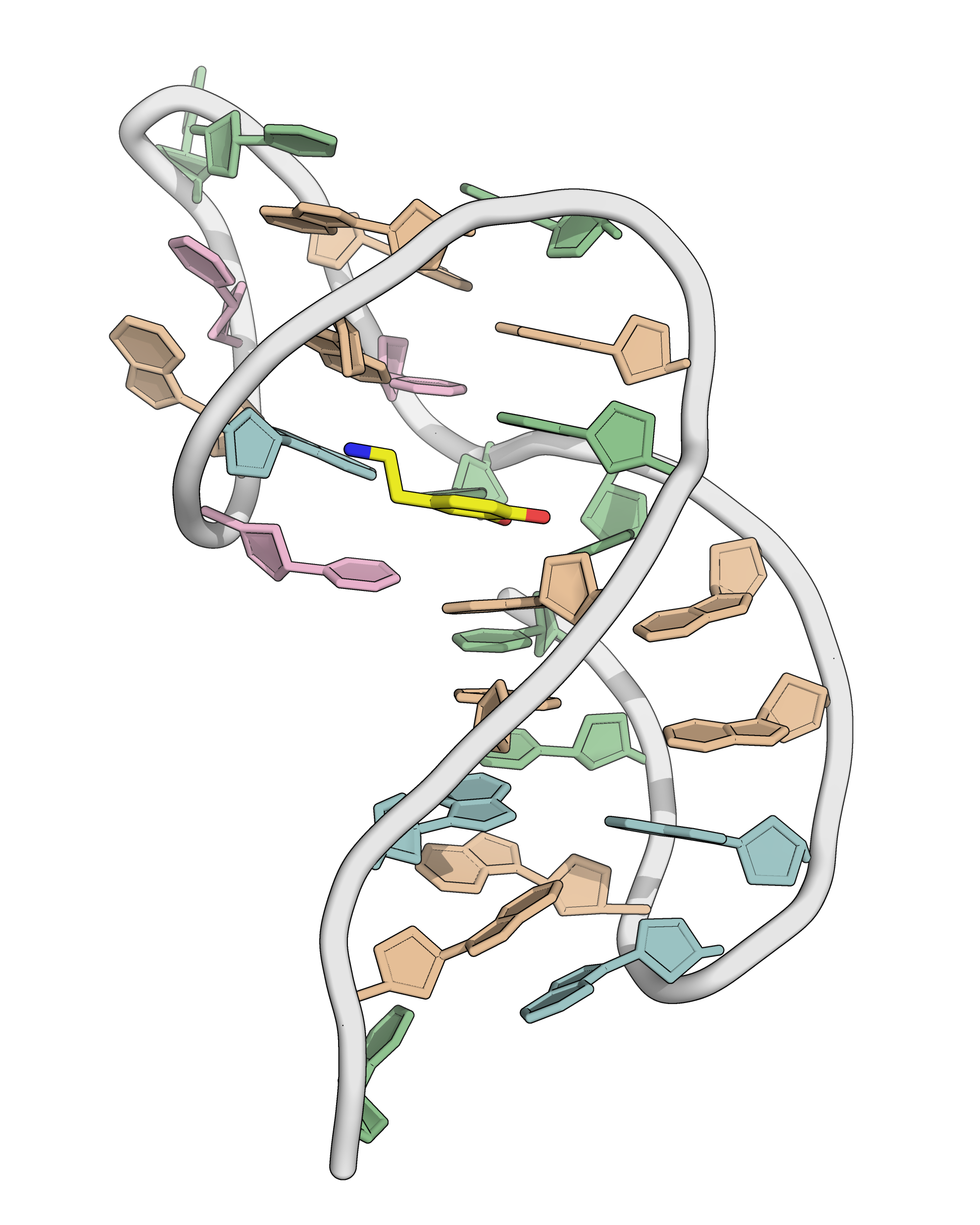

NMR provides many constraints
- DNA (806)
- intra-residue
- inter-residue
- Dopamine (67)
- intramolecular
- intermolecular
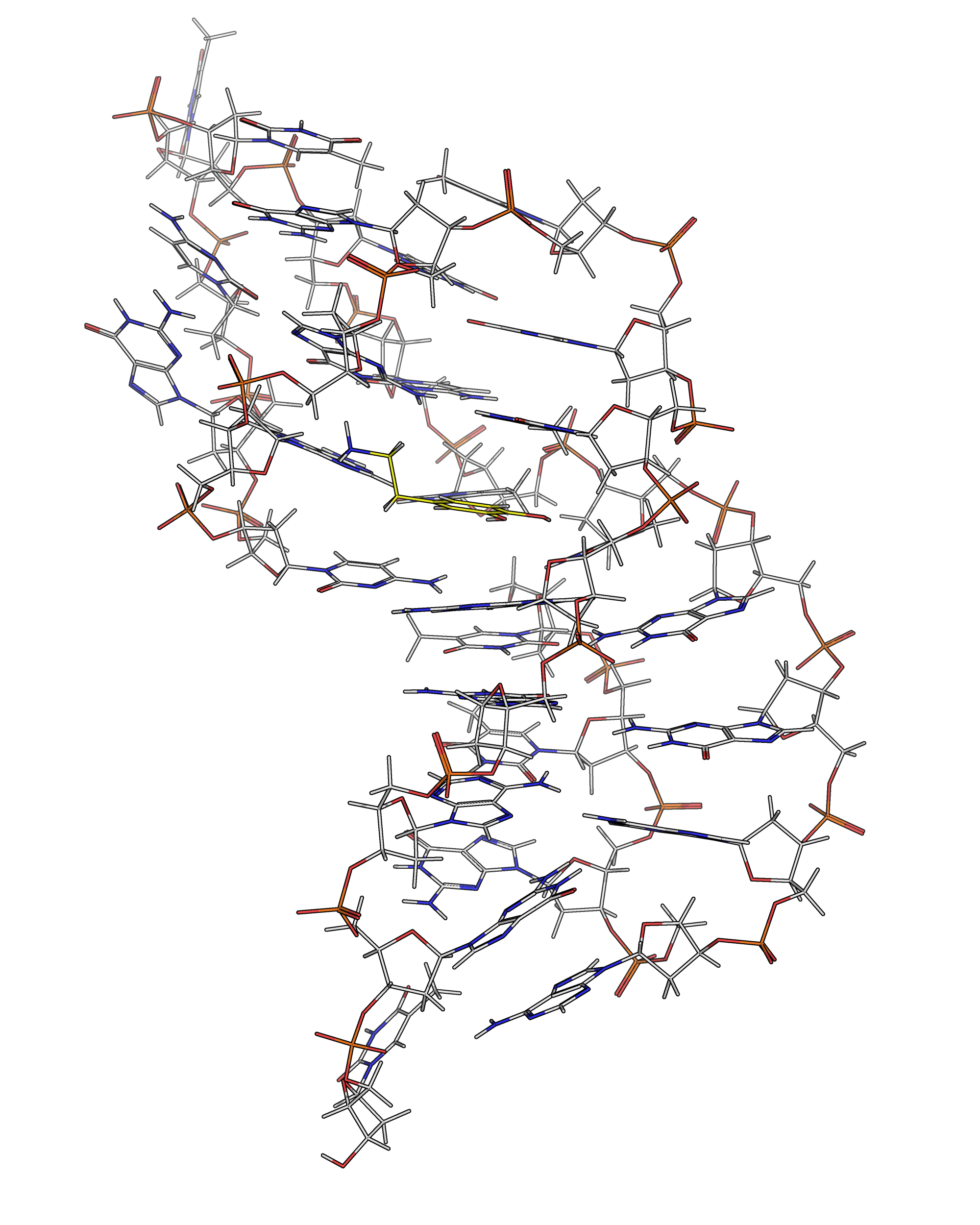
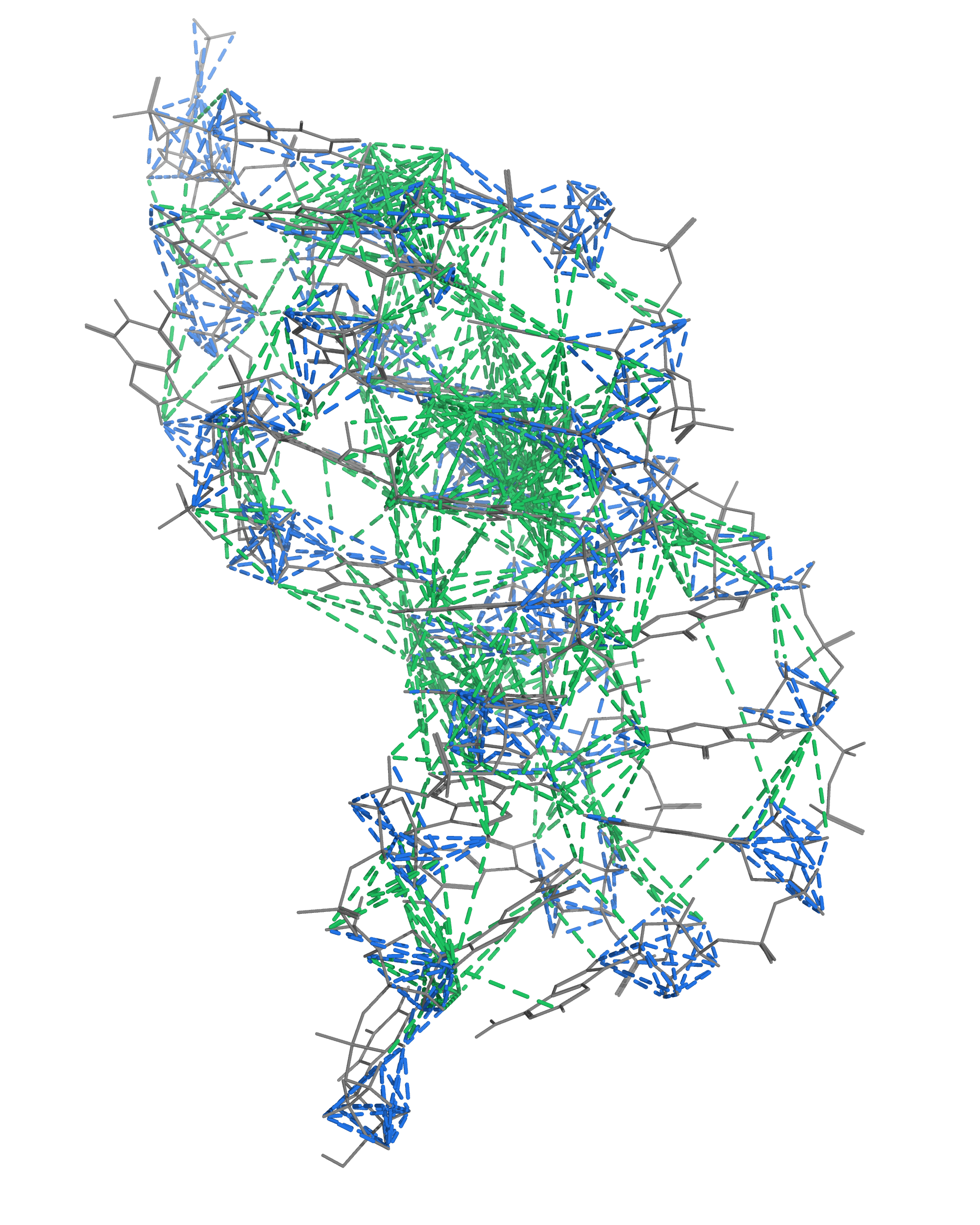
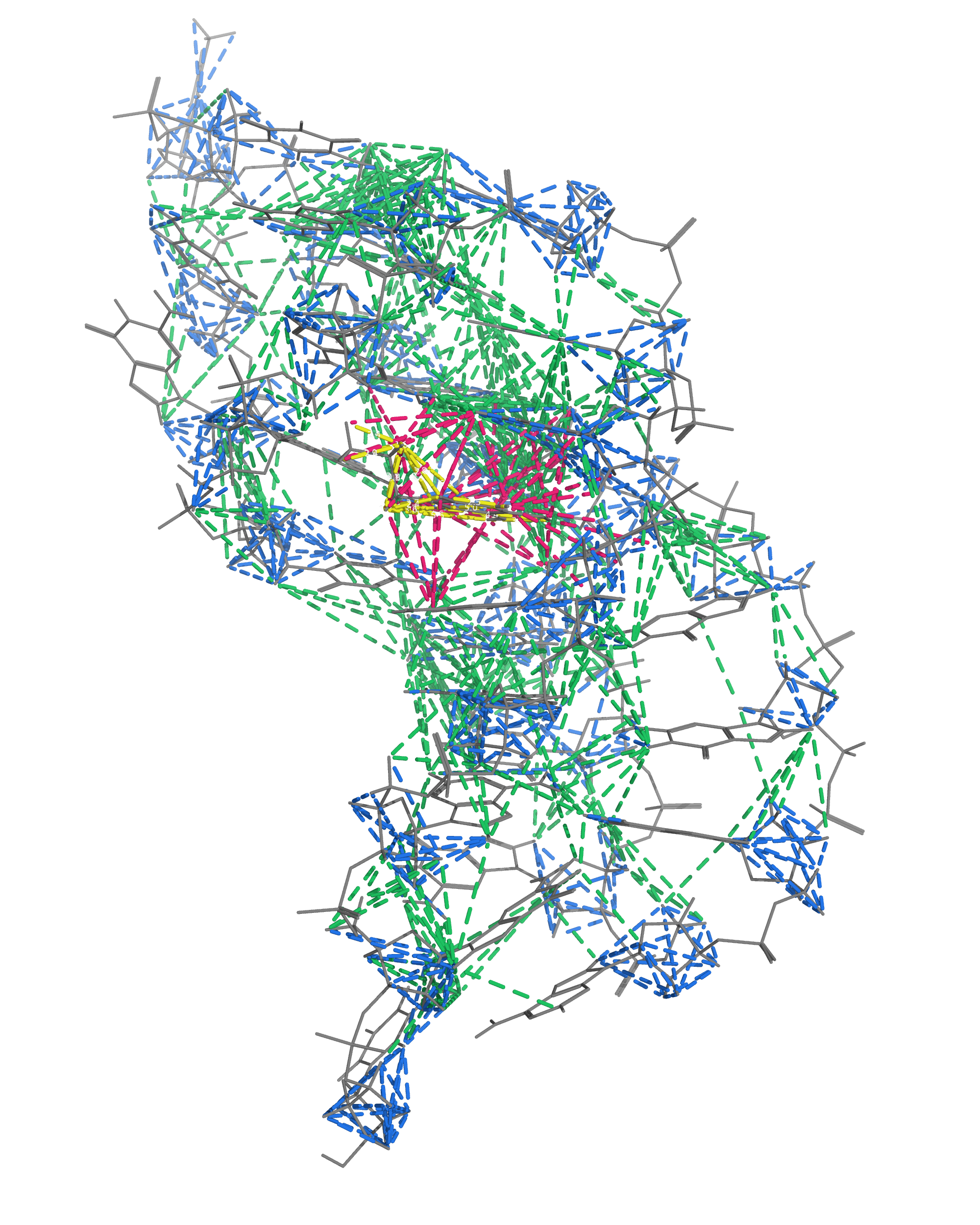

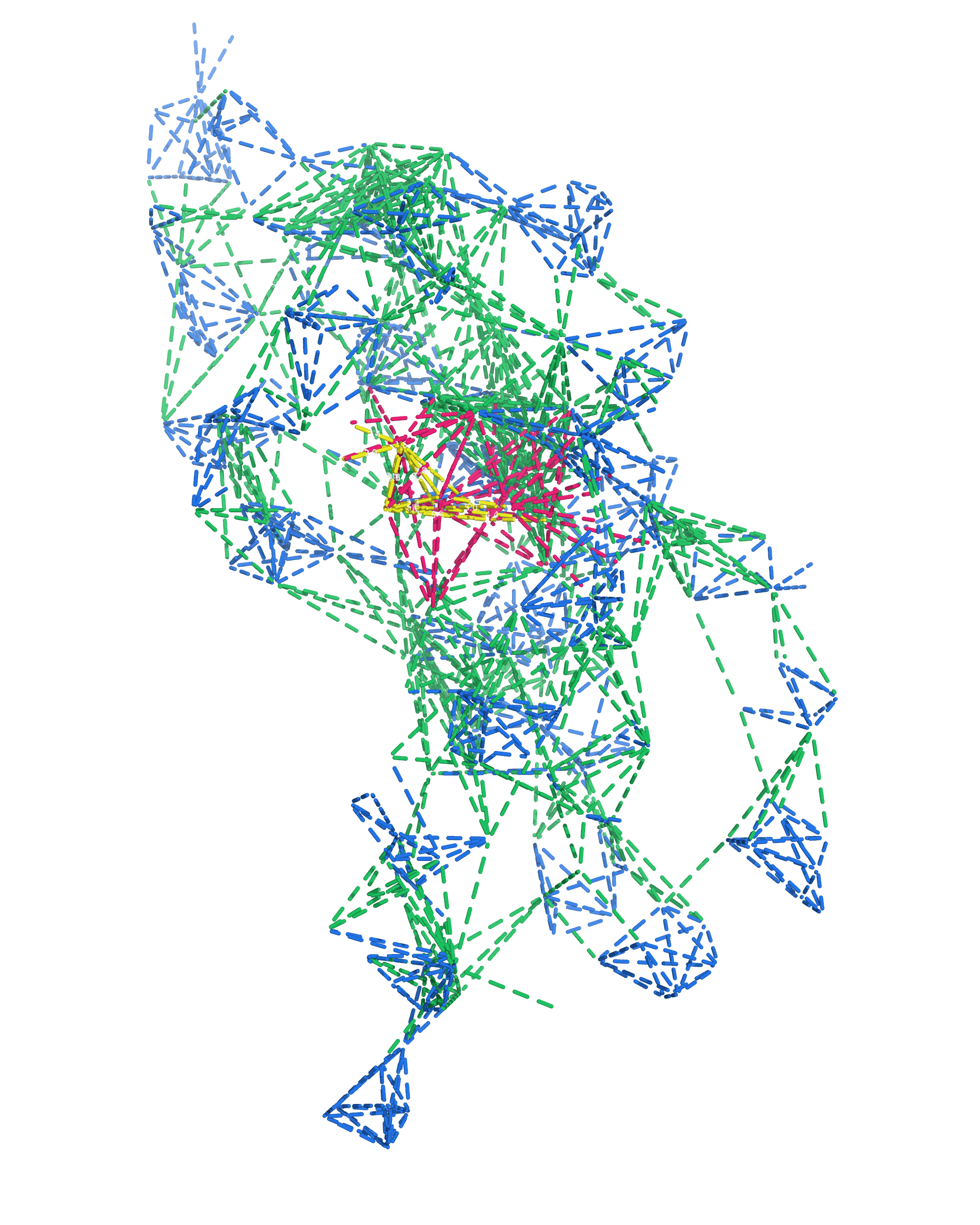
A minimized ensemble that cannot be predicted (yet)
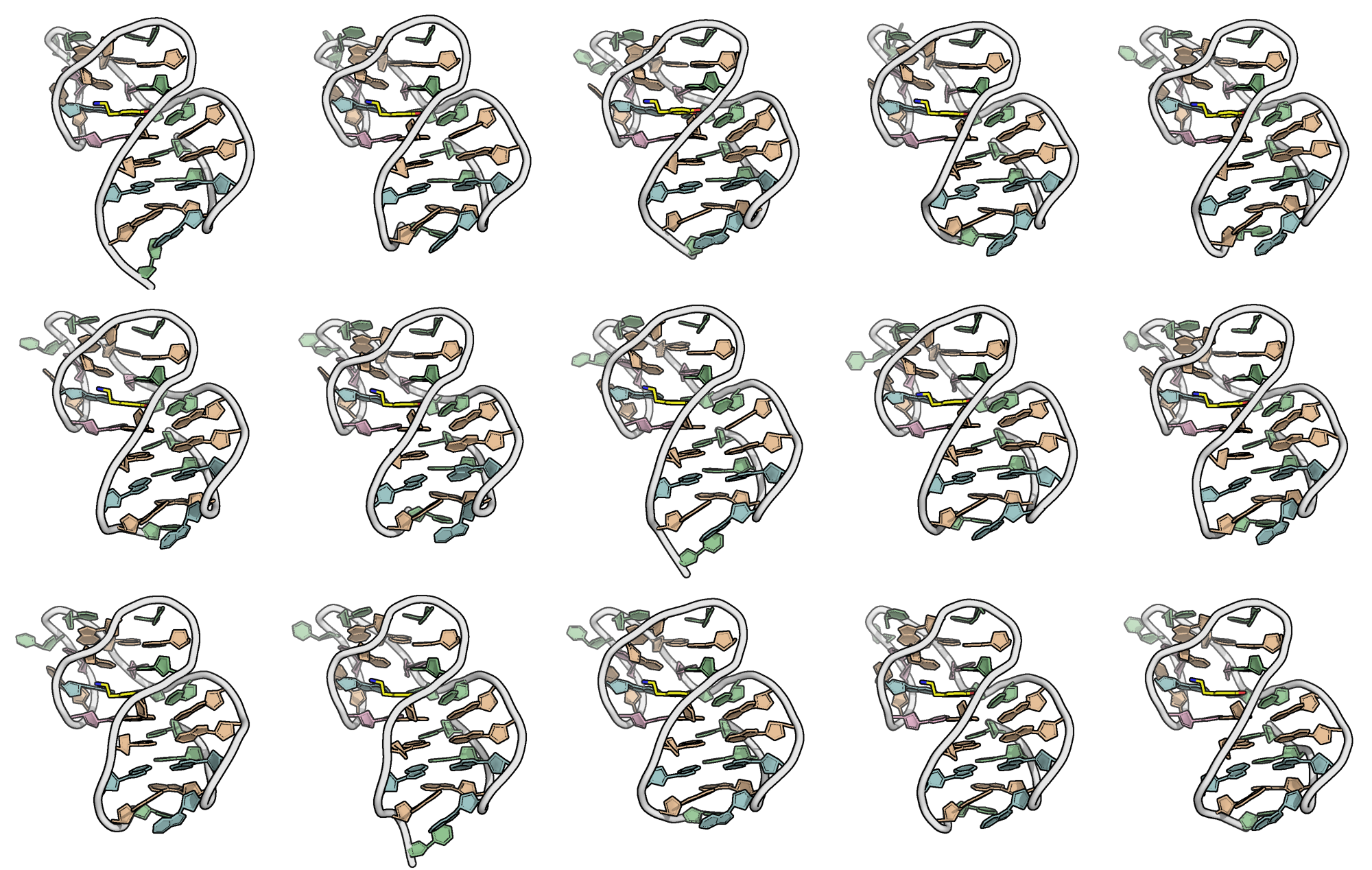
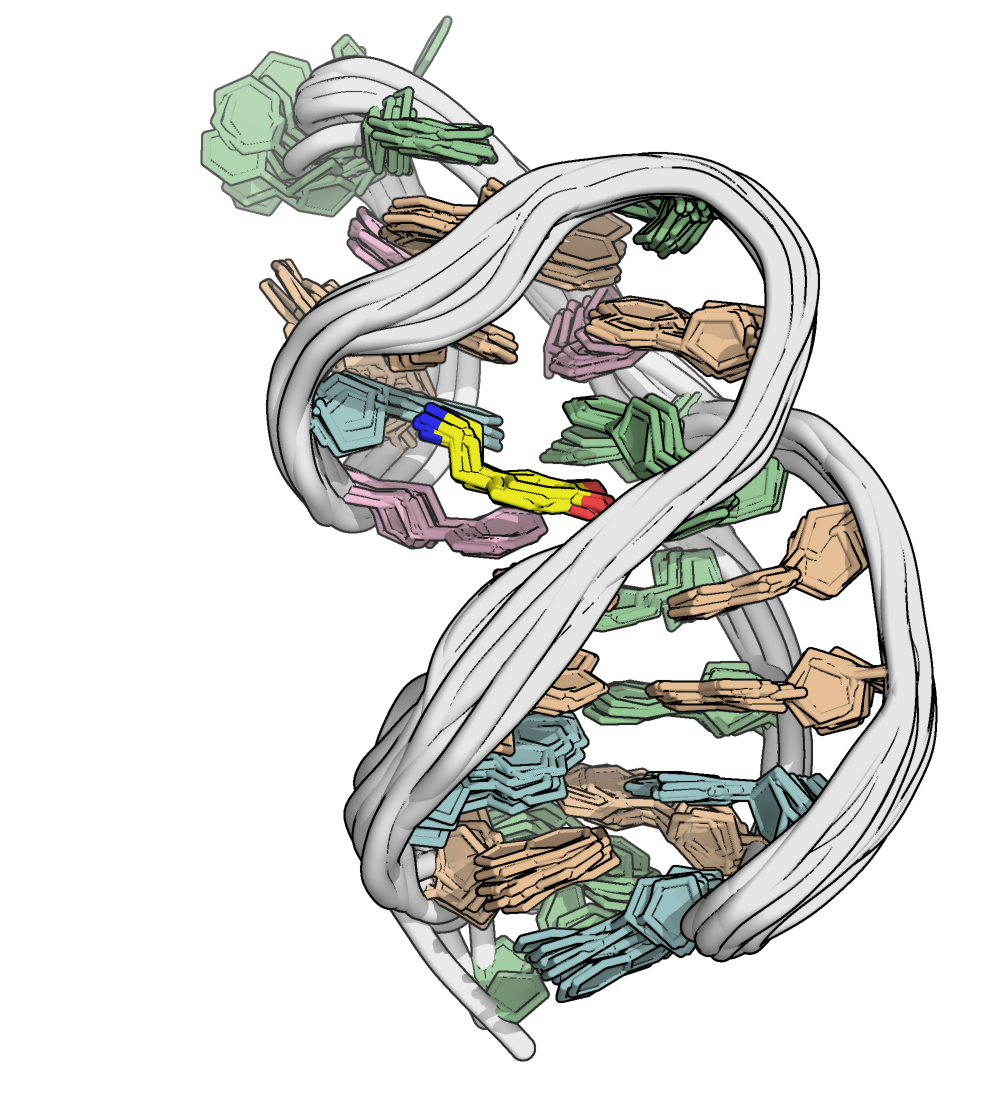
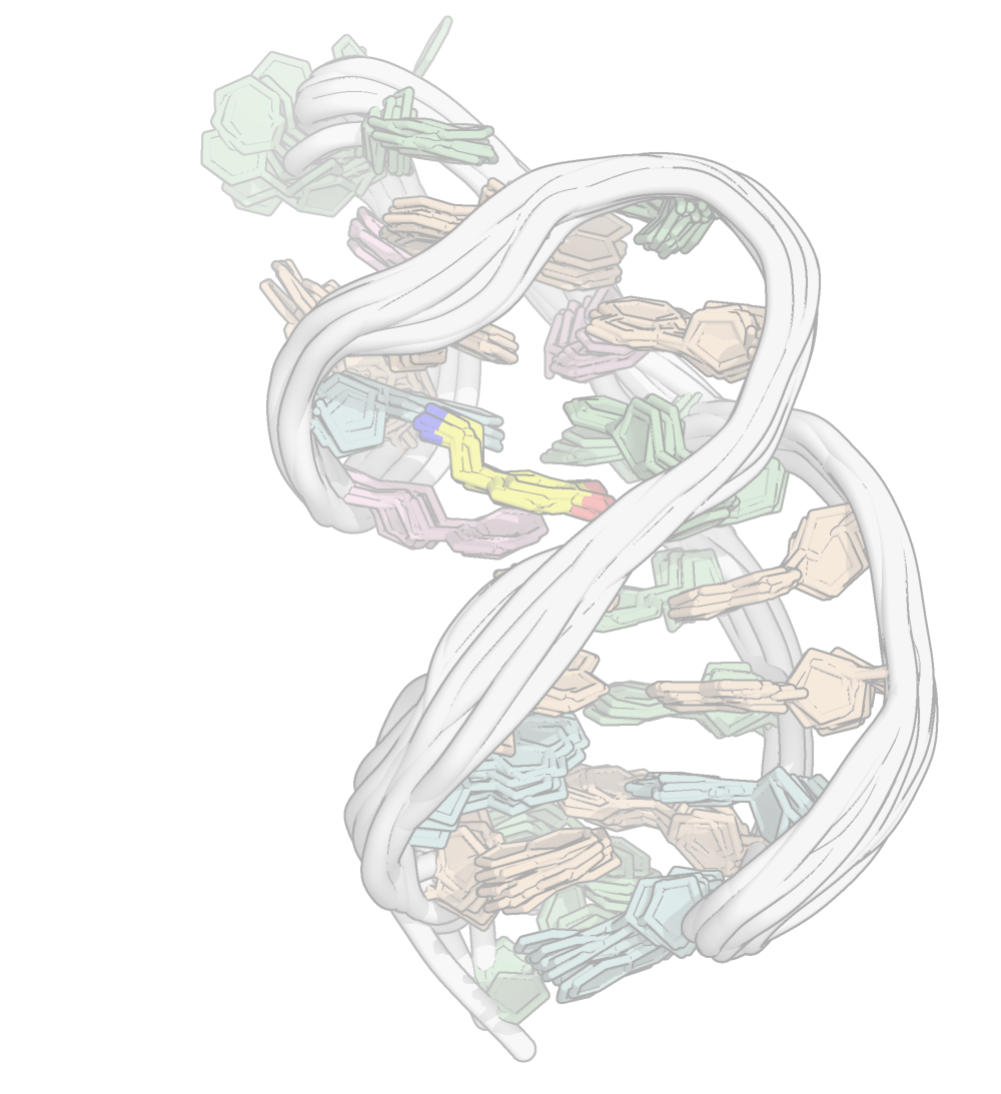

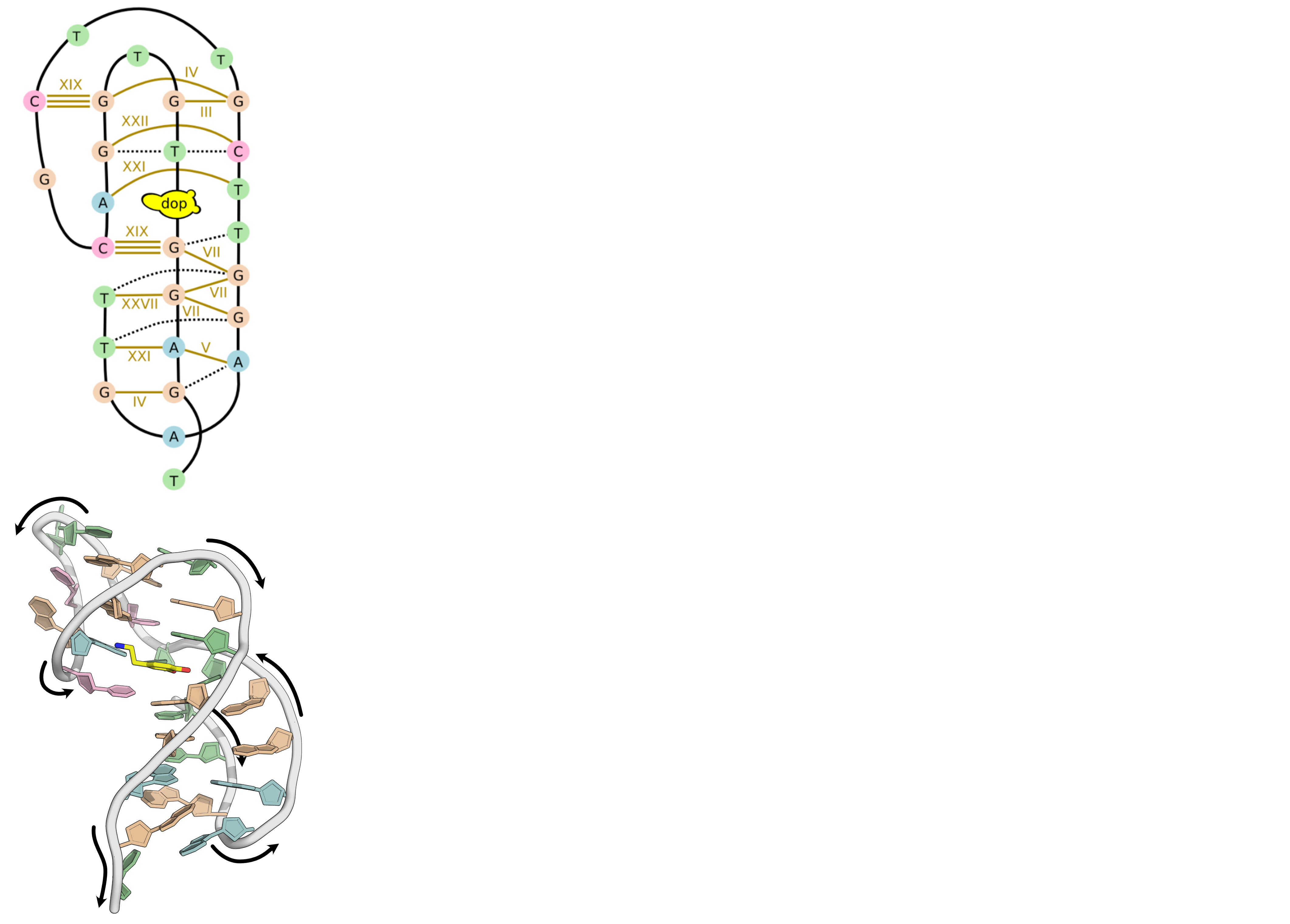
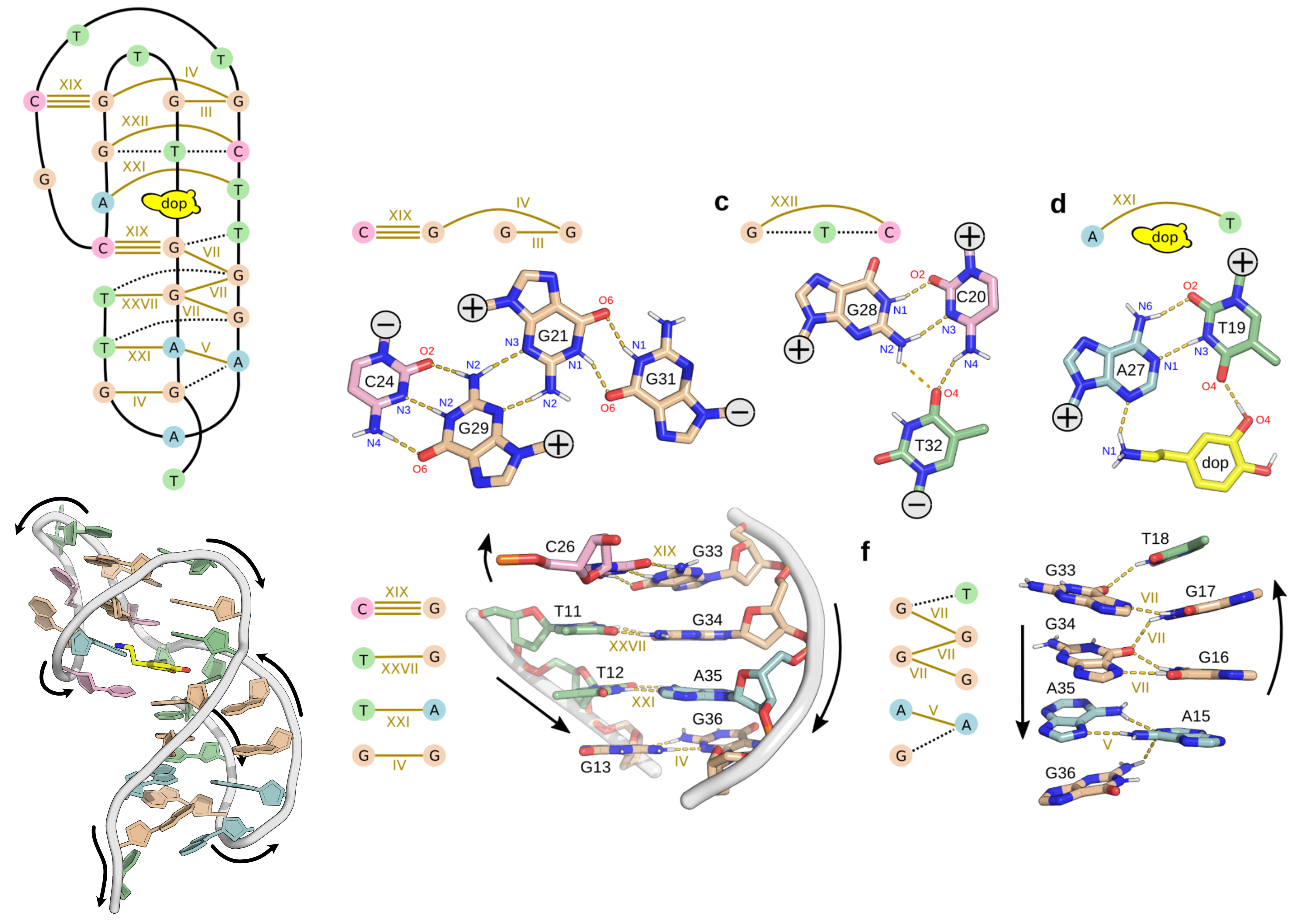
- CASP16
Critical Assessment of Techniques for Protein Structure Prediction- 107 models submitted
- 0 with RMSD < 10 Å